

Permanent installation
Orientation Platforms
- Permanent installation
-1.webp)
Credits
© Marc Domage
© Marc Domage
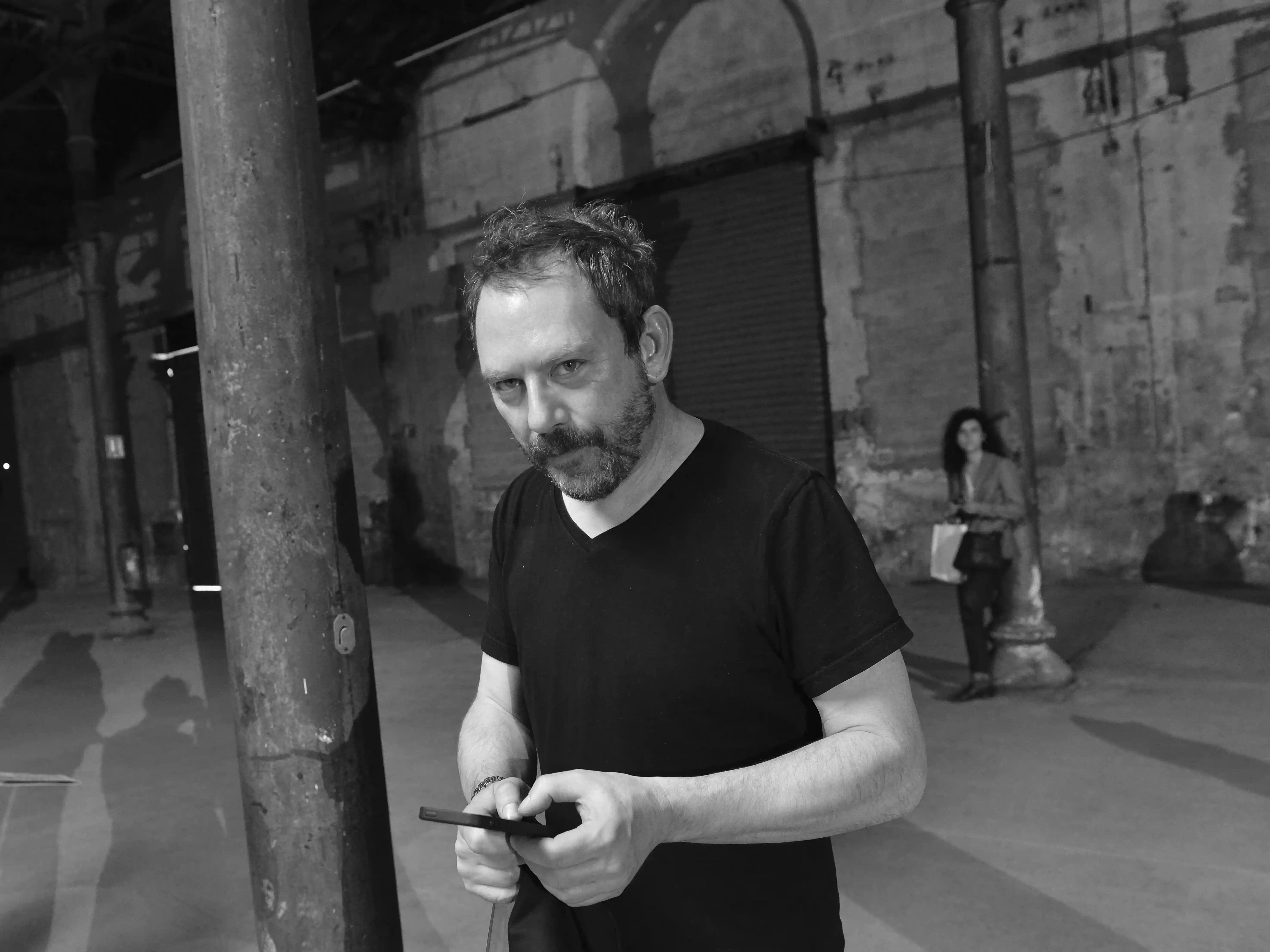
Liam Gillick
Liam Gillick deploys multiple forms to expose the new ideological control systems that emerged at the beginning of the 1990s. Examining the aesthetics of the constructed world, Gillick’s work exposes the dysfunctional aspects of a modernist legacy in terms of abstraction and architecture when framed within a globalized, neo-liberal consensus.
Gillick’s work ranges from small books to large-scale architectural collaborations. His practice exists in a constant tension between his formally minimalistic works that reflect upon the language of renovated space and his critical approach through writing and the use of text. This approach is brought together in a continual testing of the conventions of the exhibition as form. In addition, he has produced a number of short films since the late 2000s, which address the construction of the creative persona in the light of the enduring mutability of the contemporary artist as a cultural figure.
Throughout this time Gillick has extended his practice into experimental venues and collaborative projects with artists including Philippe Parreno, Lawrence Weiner and Louise Lawler.