

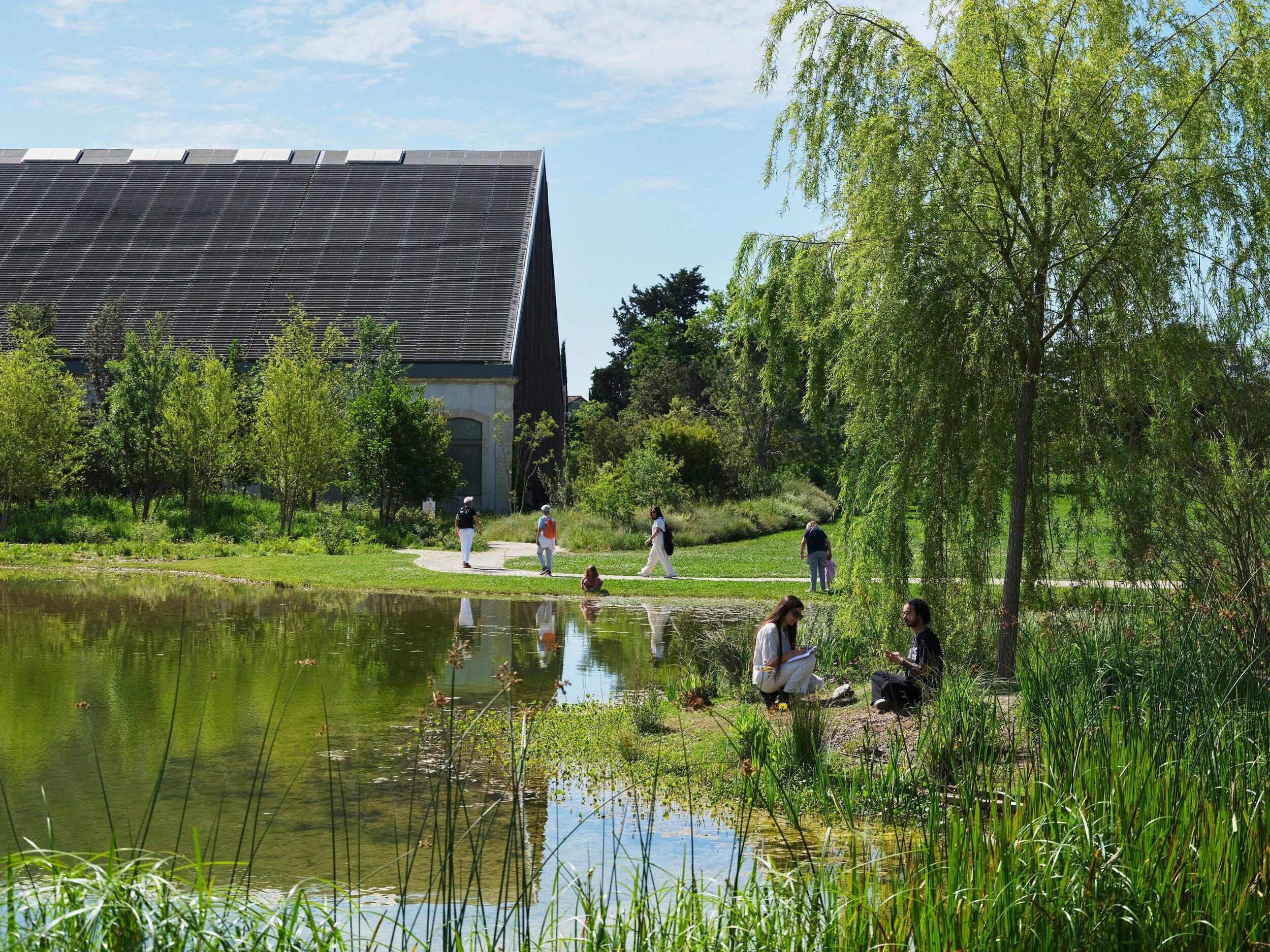
The landscaped park, May 2024.
© Victor & Simon / Grégoire d'Ablon
The landscaped park
Visit the landscaped park with Bas Smets
Dive into the history and design of the LUMA Arles landscaped park through three audio walks guided by landscape architect Bas Smets.
Designed to be listened to directly on your smartphone, these audio experiences invite you to discover the park in a different way, retracing the key stages of its transformation.
A place to stroll and unwind
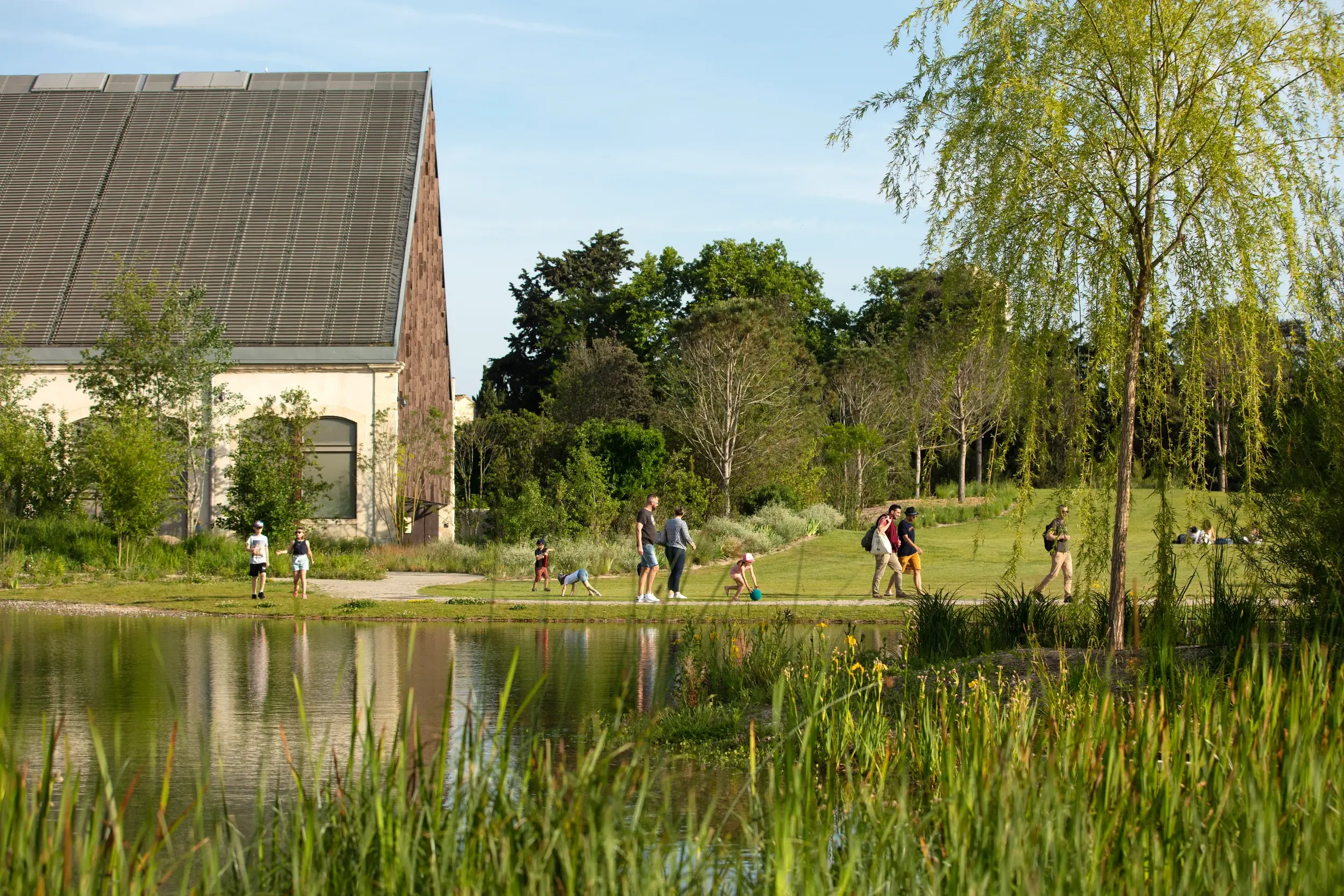
Spanning four hectares, LUMA Arles’ public park is the largest in the city of Arles.
It was designed with more than 80,000 trees, shrubs, and plants drawn from three neighboring biotopes: the Camargue, the Crau, and the Alpilles.
The landscaped park is also home to artworks and sculptures by artists:
- OooOoO, a phosphorescent skate park designed by artist KOO JEONG A
- Krauses Gekröse, a 13-meter-high sculpture by artist Franz West
- Seven Sliding Doors Corridor (Outdoor Version), an installation by artist Carsten Höller
- MEMORY, a monumental mosaic ground work created by artist Kerstin Brätsch
- Orientation Platforms, sculptures by artist Liam Gillick
- Membrane, a mechanical, tower-shaped structure designed by artist Philippe Parreno
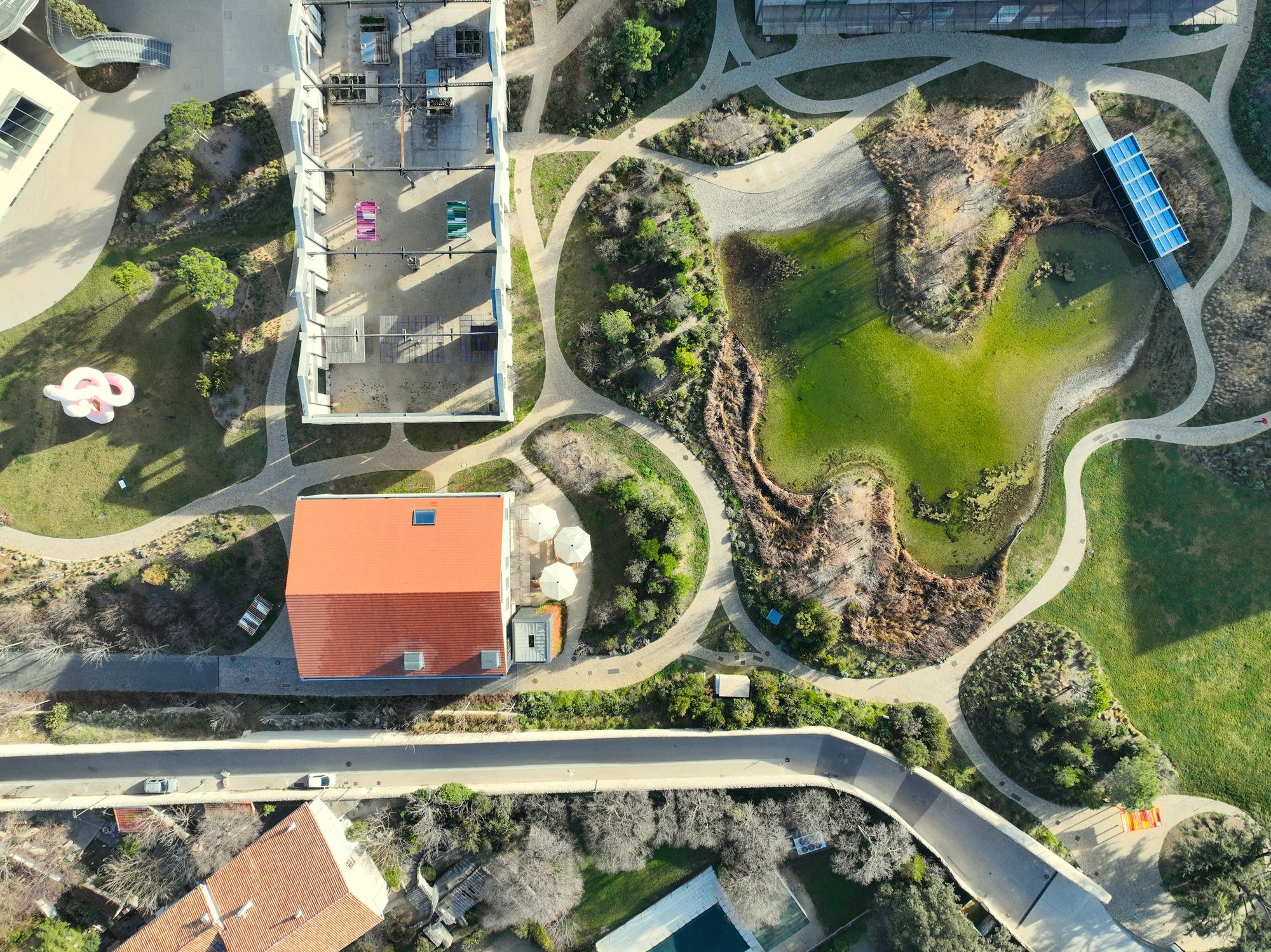
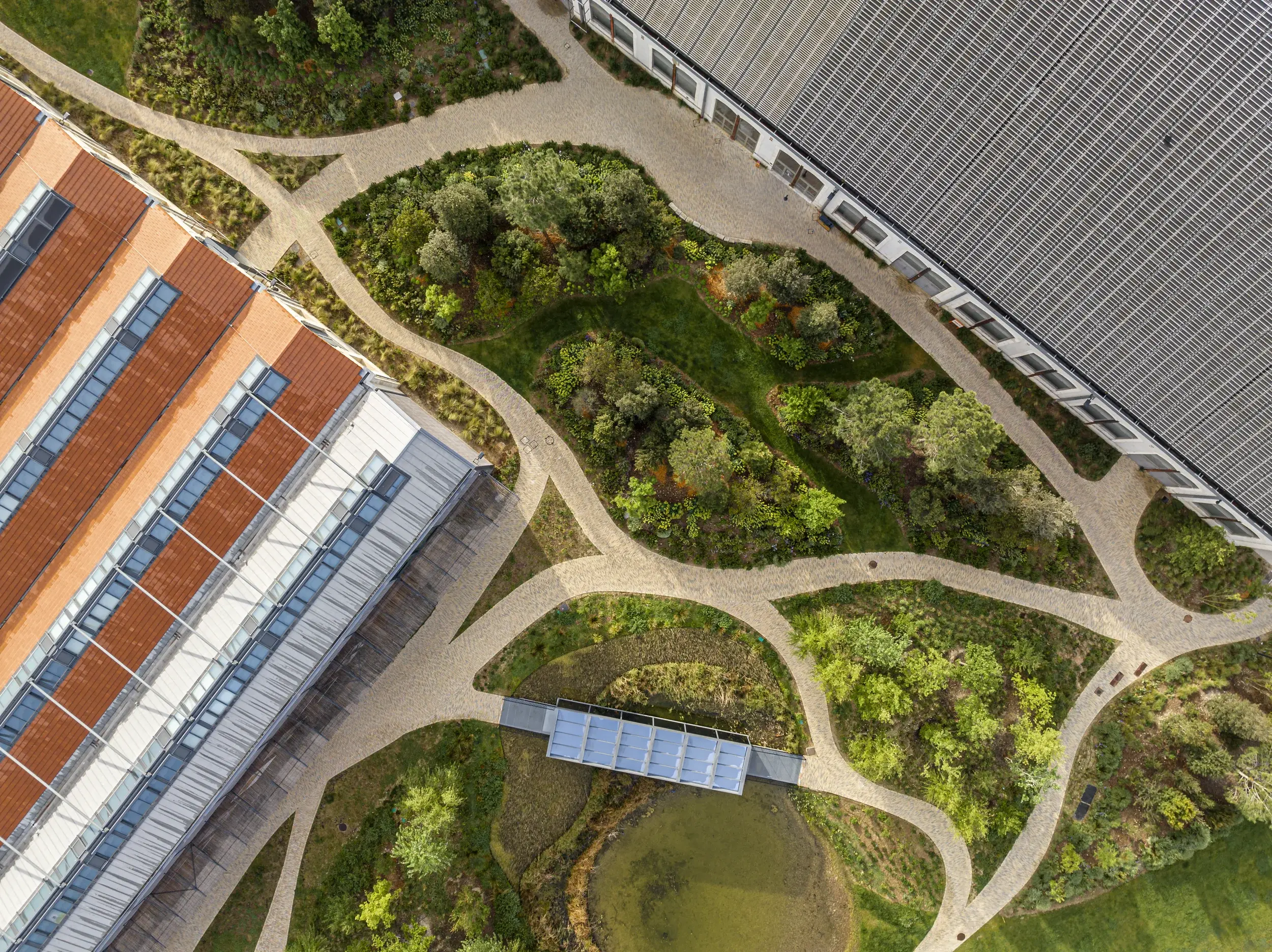
Seen from above, part of the landscaped park reveals artworks and installations by artists. On the left, the pink and green structures Orientation Platforms by artist Liam Gillick. On the right, along the edge of the pond, Seven Sliding Doors Corridor (Outdoor Version) by Carsten Höller.
Photo: © Adrian Deweerdt
From a Roman Necropolis to a Landscaped Park
The site of the Parc des Ateliers is part of a long and layered history, shaped by successive phases of transformation. From antiquity to the present day, its evolving uses have profoundly structured both its layout and its landscape.
Its development can be understood through four key periods: the Roman necropolis; the 19th-century railway complex; the industrial brownfield that followed the closure of the SNCF workshops; and the transformation initiated with the arrival of LUMA Arles.
During the Roman necropolis period
From the late 1st century BCE onward, the Romans erected tombs and mausoleums outside the walls of Arelate, in accordance with Roman law. The Alyscamps necropolis (“Elysian Fields”) gradually extended along the Via Aurelia, becoming one of the largest burial grounds in the imperial province.
From the 3rd century onward, as the site became Christian, the necropolis continued to expand.
During the Middle Ages, the Alyscamps were regarded as sacred ground and became a stop along the pilgrimage route to Santiago de Compostela. Beginning in the 15th century, the site gradually lost its prominence, though it continued to be used intermittently as a cemetery until 1776.
The Rise and Industrial Decline of the Parc des Ateliers
In the mid-19th century, part of the necropolis was demolished to make way for the construction of a vast railway complex. The hill was leveled, the land graded, and largely covered with a concrete slab. The workshops were built following a major construction project that spanned more than a decade.
Integrated into the railway line connecting Paris to the Mediterranean, Arles became fully part of the territory’s industrial development. For nearly a century and a half, the Paris-Lyon-Méditerranée (PLM) railway complex served as a significant economic hub, employing up to 1,800 people at its peak. The 1929 economic crisis marked an initial slowdown, followed by a gradual decline linked to technological changes in rail transport. The workshops closed permanently in 1984.
After their closure, the site entered a period of abandonment and deterioration. Weakened by time and several fires, it gradually became an industrial brownfield until the first redevelopment projects began to emerge.
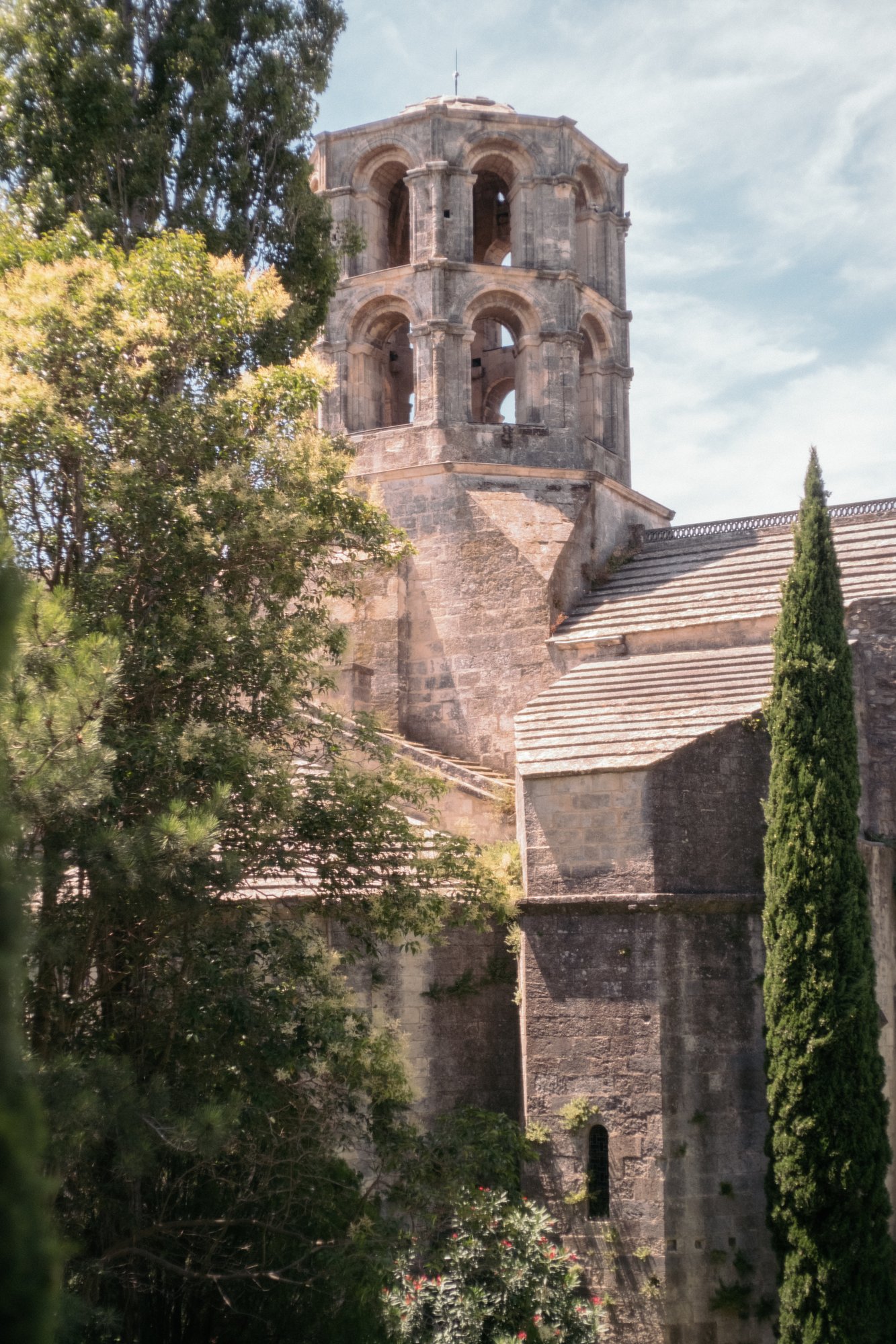
The Church of Saint-Honorat today, located at the heart of the ancient Alyscamps necropolis.
Photo: © Victor & Simon / Victor Picon
A new horizon for the Parc des Ateliers
The launch of LUMA Arles and the creation of the landscaped park
In the fall of 2007, Maja Hoffmann announced an ambitious project to transform the Parc des Ateliers into a new kind of cultural campus. She selected architect Frank Gehry to design The Tower.
She entrusted the design and realization of a garden-park to a young Belgian landscape architect. Born in 1975, Bas Smets had just founded his practice in Brussels.
He first discovered Arles in 2009. Years of reflection and exchange followed, leading to the development of a project whose successive stages were shared with the people of Arles.
In 2017, the first trials began.
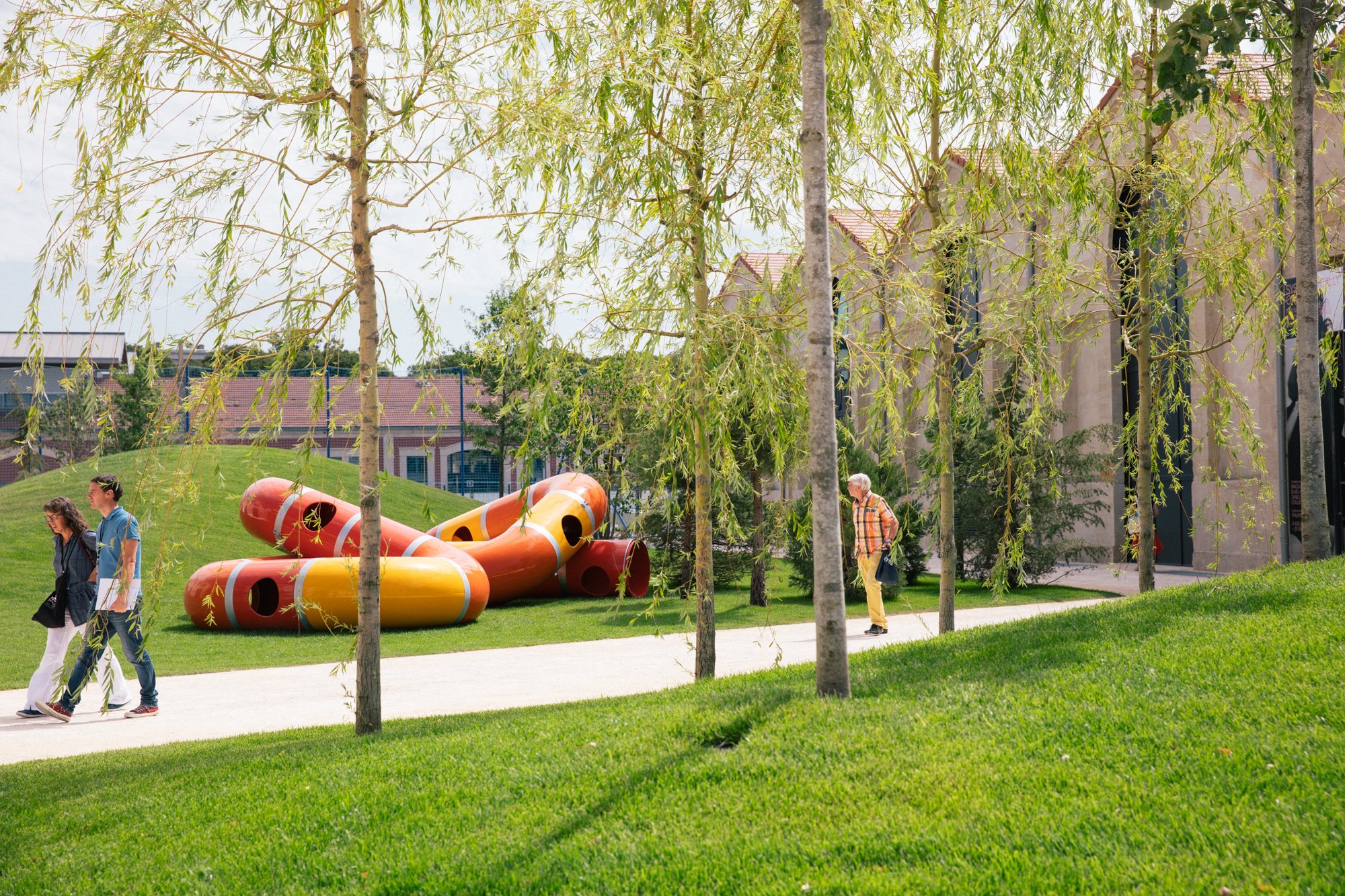
First trials of the landscaped park at the Parc des Ateliers, in the summer of 2017. Led by landscape architect Bas Smets, this experimental phase was designed to test how trees, soils, and plantings would withstand the climatic conditions of Arles.
Photo: © Victor & Simon / Victor Picon
“The site is unique. We have no model to follow—we are always experimenting. That was Maja Hoffmann’s intention from the start: to create a microclimate and explore how plants, animals, and people can coexist. But also how different uses can come together: visiting exhibitions, taking a simple family walk, children playing, and more.”
Bas Smets (Arles Magazine #6, Winter 2022–2023)
Transforming an industrial brownfield into a landscaped park
The challenge was significant: how could a vast, sterile concrete slab be turned into a green, living park?
The site of the Parc des Ateliers, home to LUMA Arles, was an arid, almost desert-like expanse. Carved into rock and containing remnants of the ancient Roman necropolis of the Alyscamps, the Parc des Ateliers was covered by an artificial concrete slab, disconnected from the soil and making any form of life impossible. This place was the opposite of a park: a fixed, inert space where nature could not take root.
Creating an ecosystem rather than a simple garden
For each project, Bas Smets begins by studying the ground and the terrain. He considers how a landscape has evolved over time: what it was in the past, and what hidden landscape might lie beneath the one we see today.
In the case of the LUMA Arles landscaped park, he sought to understand the processes that would shape the environment: where sand might accumulate, which plants could take hold, or where the mistral might create a pond.
He started by studying urban vegetation, the “tree loop” lining the boulevards of Arles. He then analyzed how sun, wind, and soil have shaped the surrounding landscapes: the Alpilles, the Camargue, and the Crau.
Based on these factors, Bas Smets and his team modeled the action of natural forces to imagine how a landscape could emerge atop the concrete slab of the Parc des Ateliers.
The earth excavated to dig the foundations of The Tower was used to form hills, their shapes designed in response to the wind. Finally came the planting of trees, shrubs, and plants. Their species and placement were chosen with natural evolution in mind, envisioning the site not just as it is today, but as it might be in one hundred or even one thousand years.
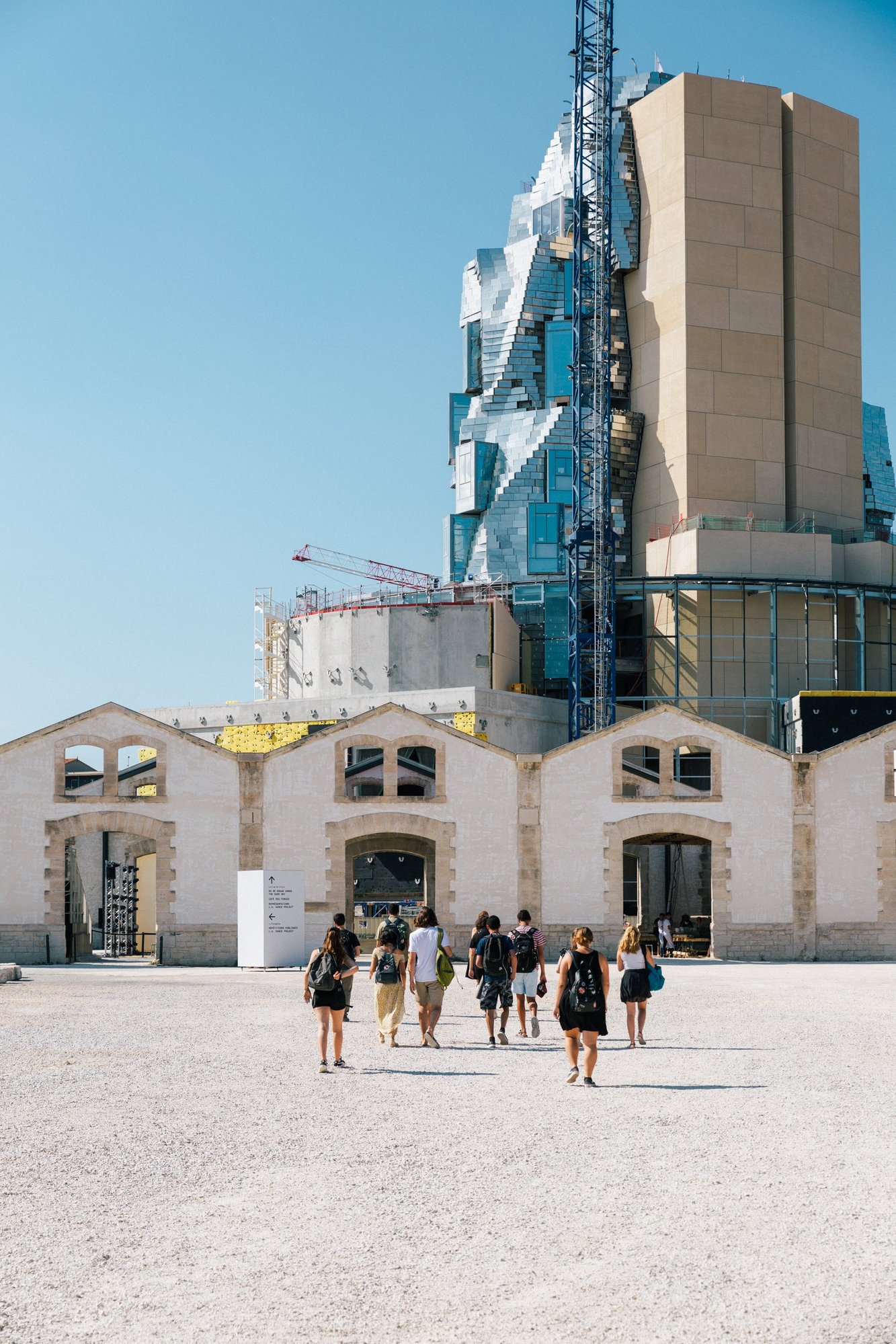
In the summer of 2018, before part of the site was transformed into a landscaped park, the concrete slab covering the former Alyscamps necropolis still dominated the landscape of the Parc des Ateliers.
Photo: © Victor & Simon
A park inspired by the Camargue, the Crau, and the Alpilles
To design the LUMA Arles landscaped park, Bas Smets drew inspiration from the three distinctive landscapes surrounding the city: the Camargue delta, the Alpilles range, and the Crau steppe.
Each of these biotopes is reflected in the park’s geography, from its contours to the choice of plant species. More than five hundred trees have been planted, including stone pines, holm oaks, strawberry trees, maples, white poplars, willows, alders, and European nettle trees.
The subtle balance between hills and the pond was designed with all seasons in mind.
By bringing together the region’s three biotopes, the landscaped park has created, in accelerated form, a new hybrid and condensed landscape. A human-made environment shaped by and rooted in its surroundings, in keeping with the laws of nature.
The pond: a climate tool for the landscaped park
The growth of the park’s vegetation is made possible by a sustainable water circulation system that draws from the Canal de Craponne. Built in the 16th century to support agriculture, the canal connects the Durance and the Rhône and runs close to the Parc des Ateliers.
A Renaissance gentleman, Adam de Craponne (1526–1576) designed the canal that bears his name to irrigate the farmland of the Arles region with water from the Durance. Today, this system feeds both the vegetation of the LUMA Arles landscaped park and its pond.
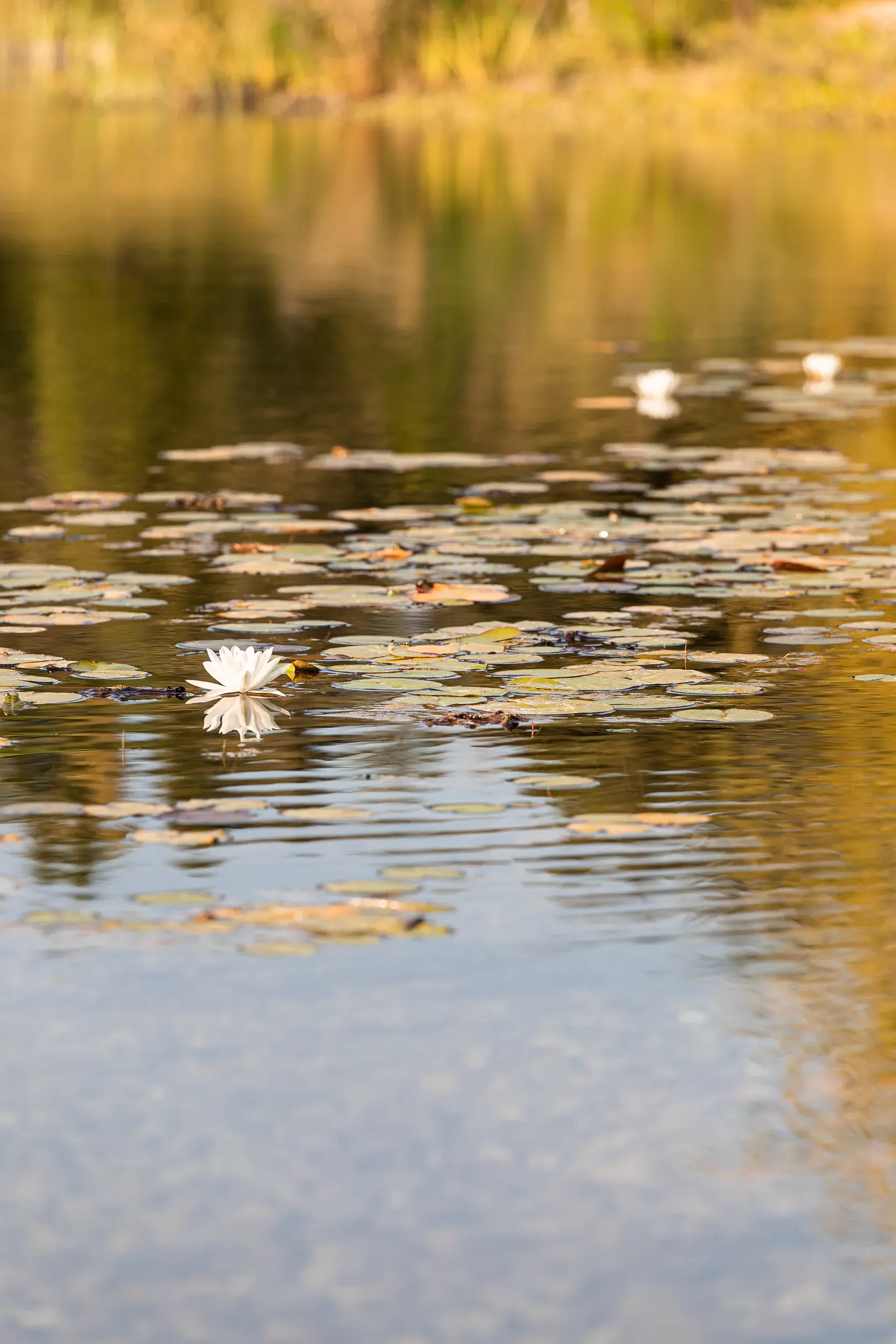
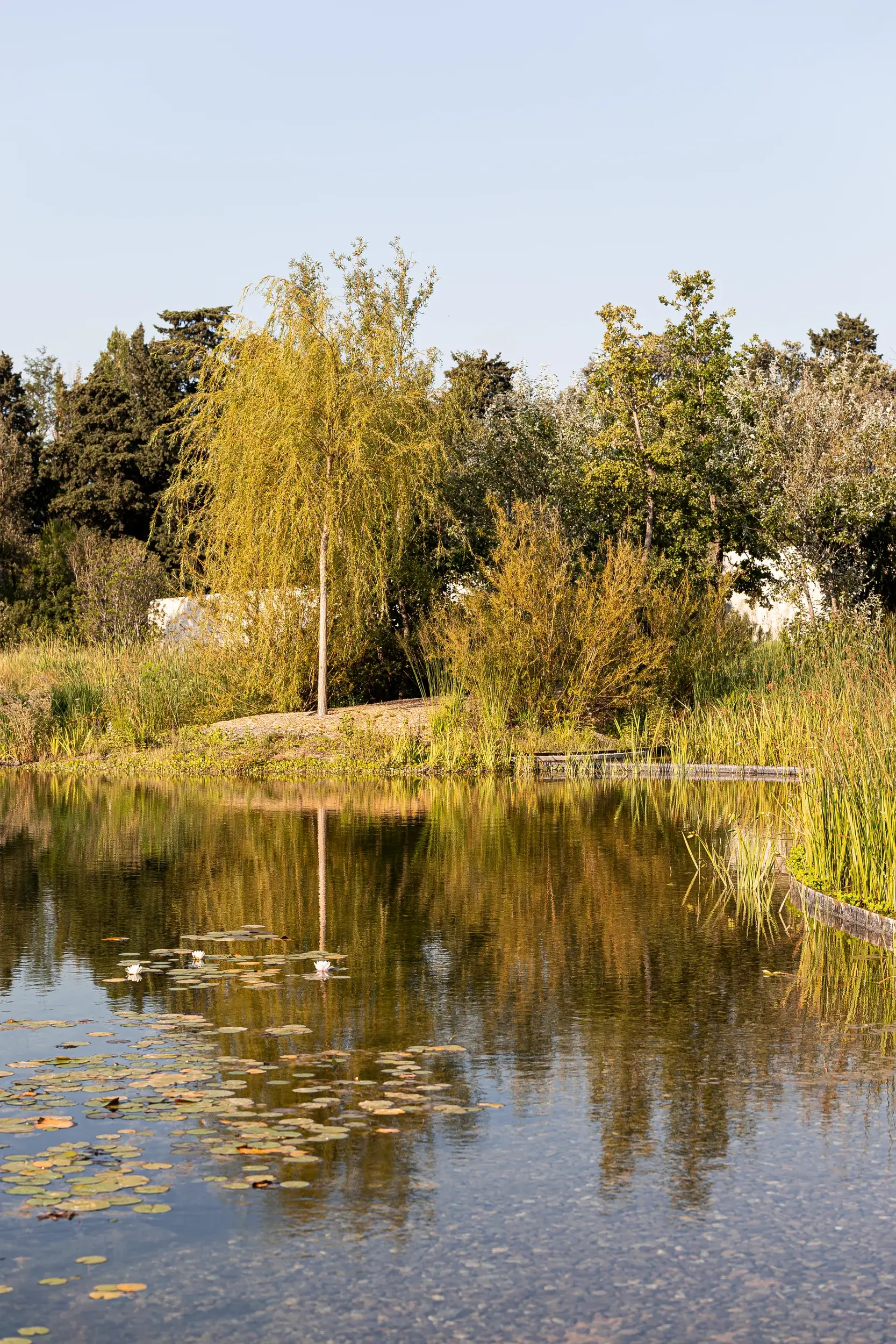
Covering 2,500 square meters, the pond serves as an irrigation reservoir and as a form of natural cooling. Through evaporation, it lowers the surrounding air temperature. As breezes pass over the water, they are naturally cooled.
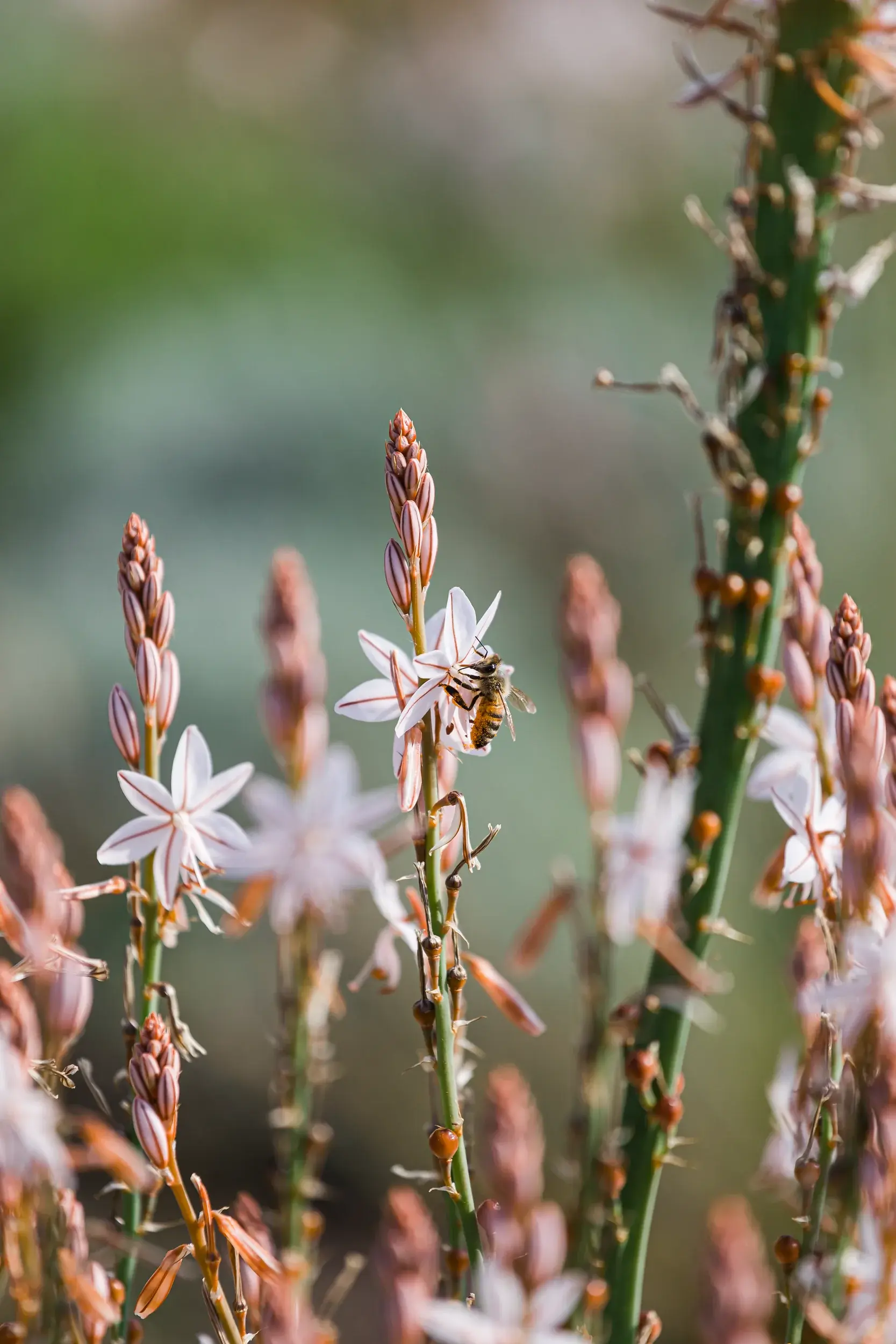
The microclimate created by the pond has quickly encouraged the return of wildlife to the park, from frogs and bees to migratory birds. Researchers from the Tour du Valat biological station are responsible for monitoring the site’s evolving biodiversity.
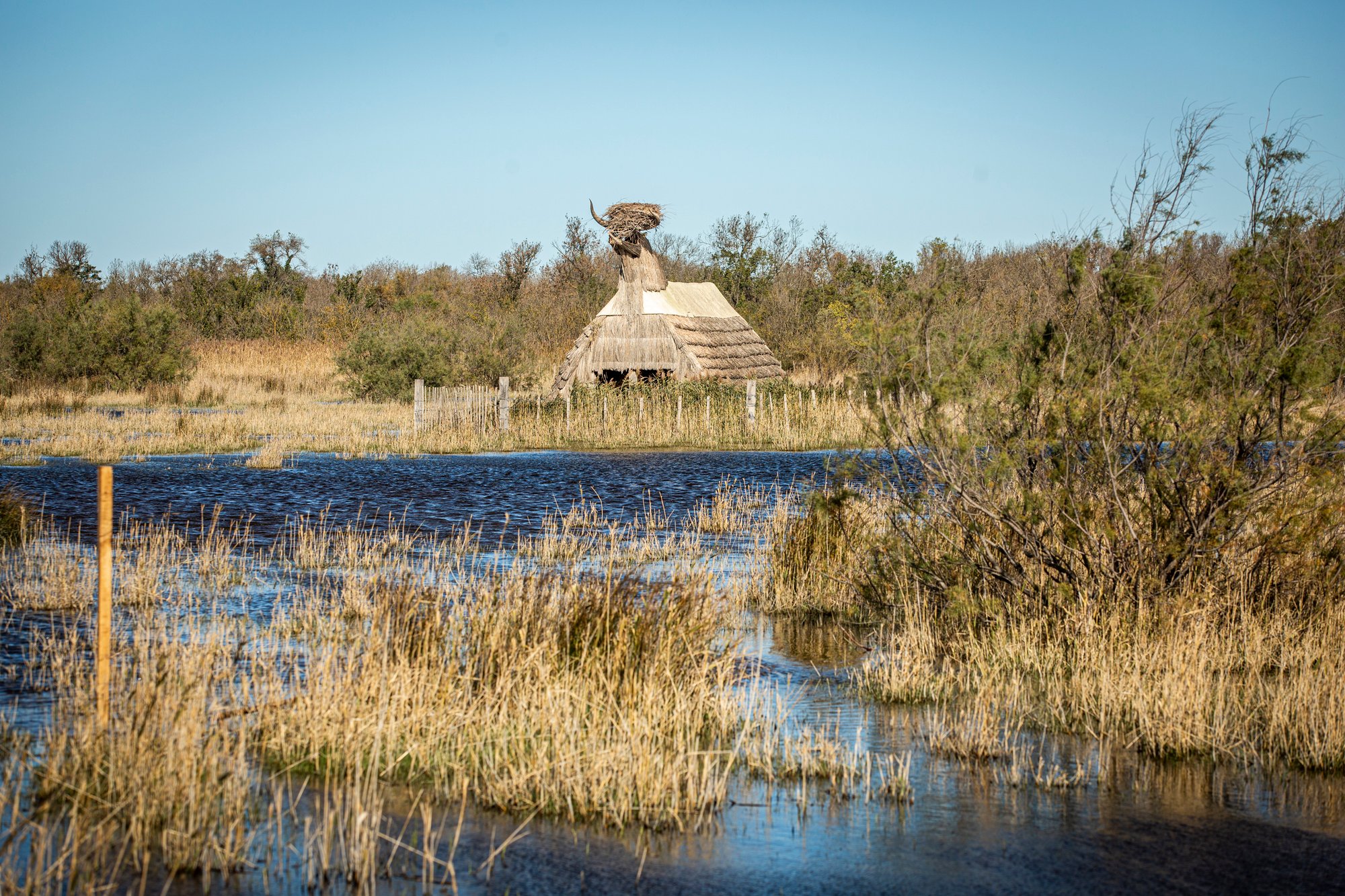
The Marais du Vigueirat, in the Camargue.
Photo: © Joana Luz
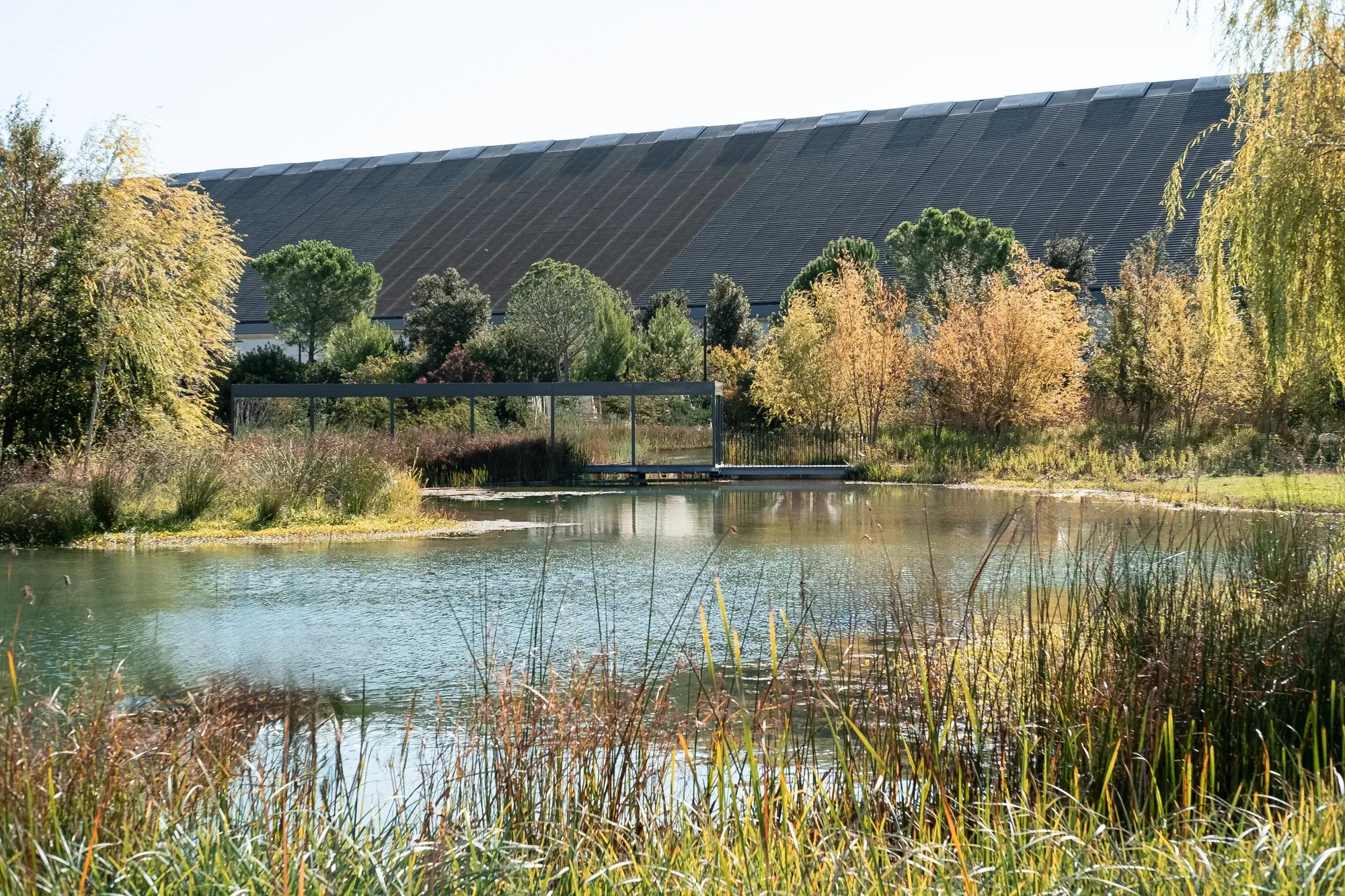
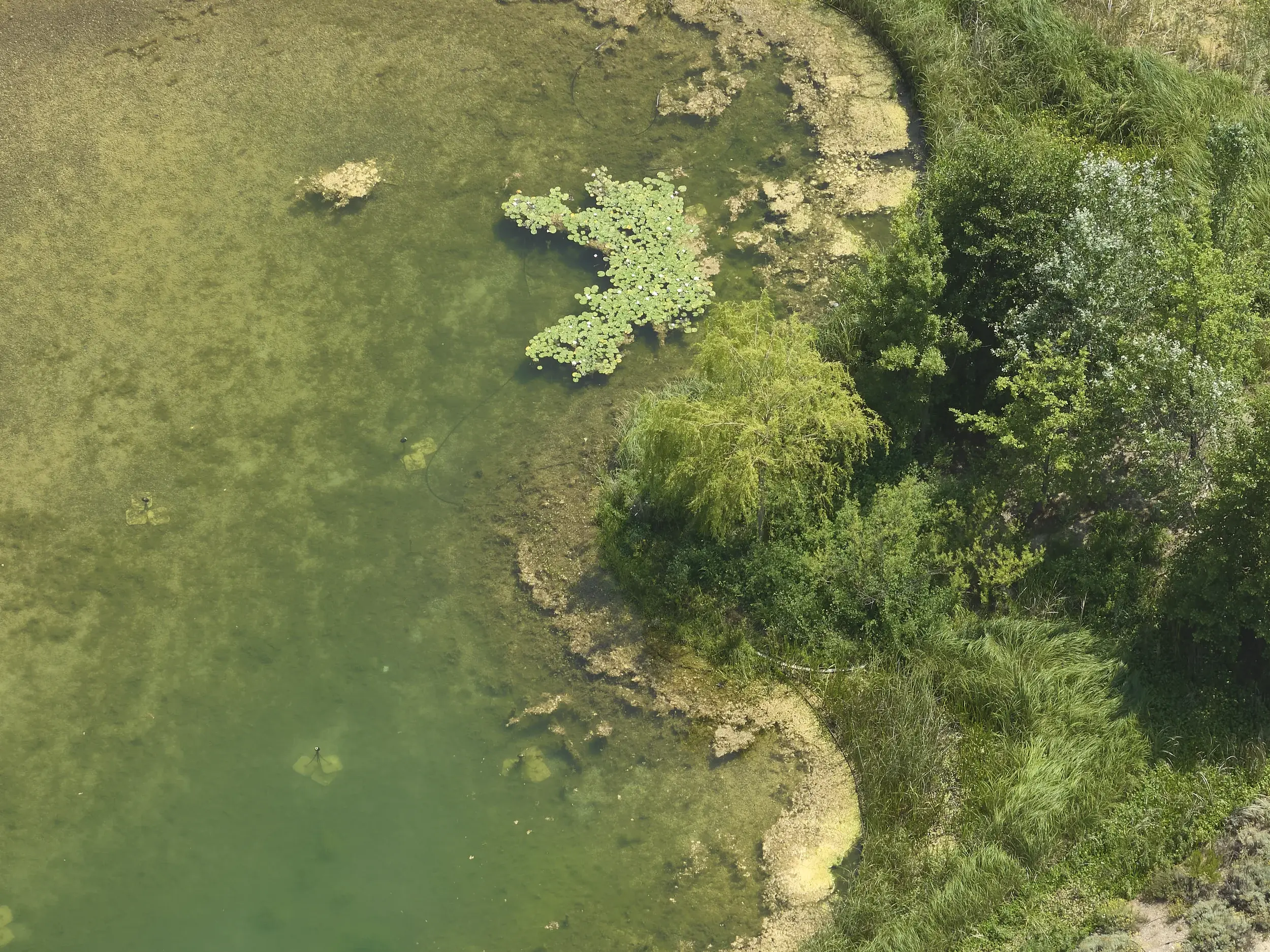
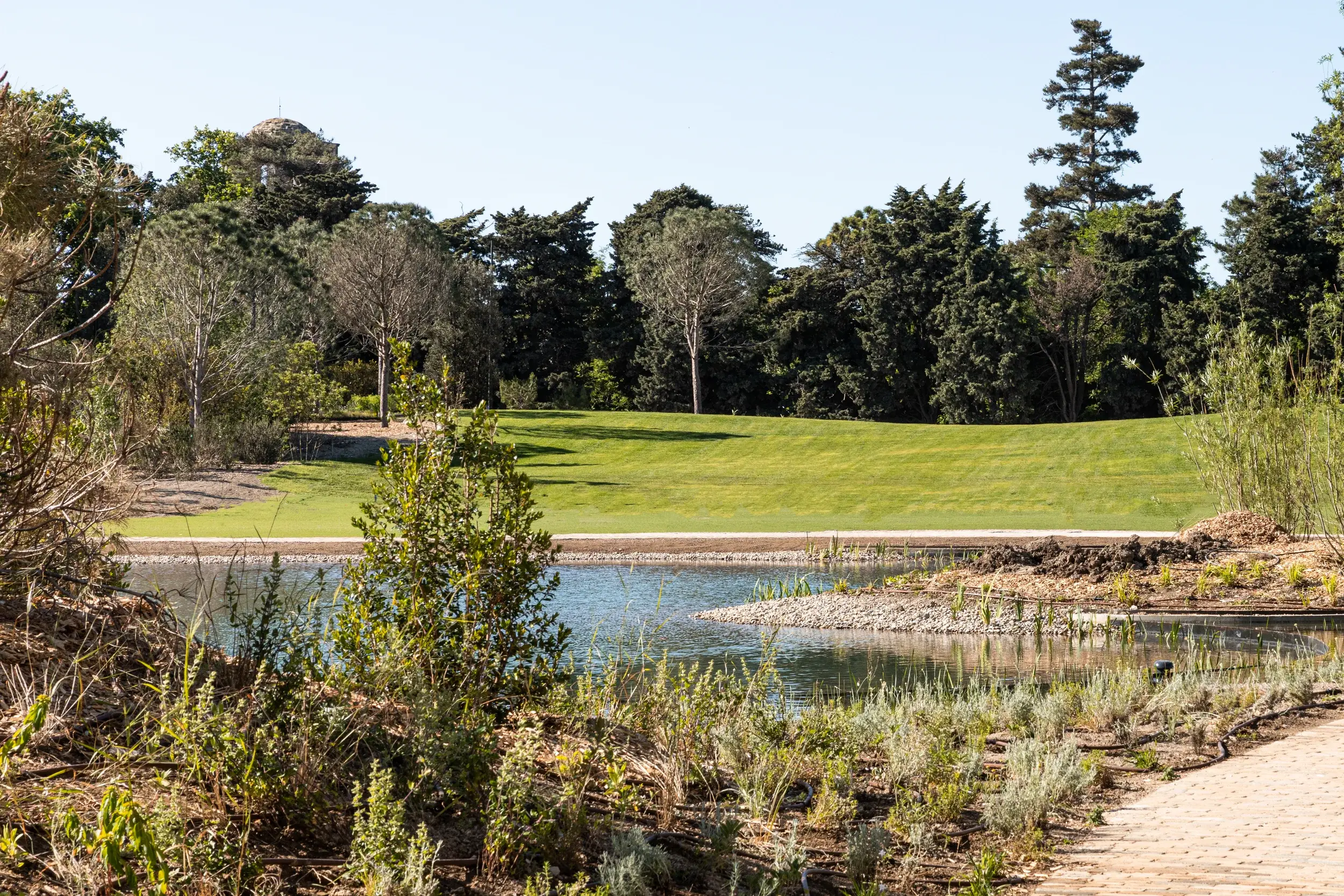
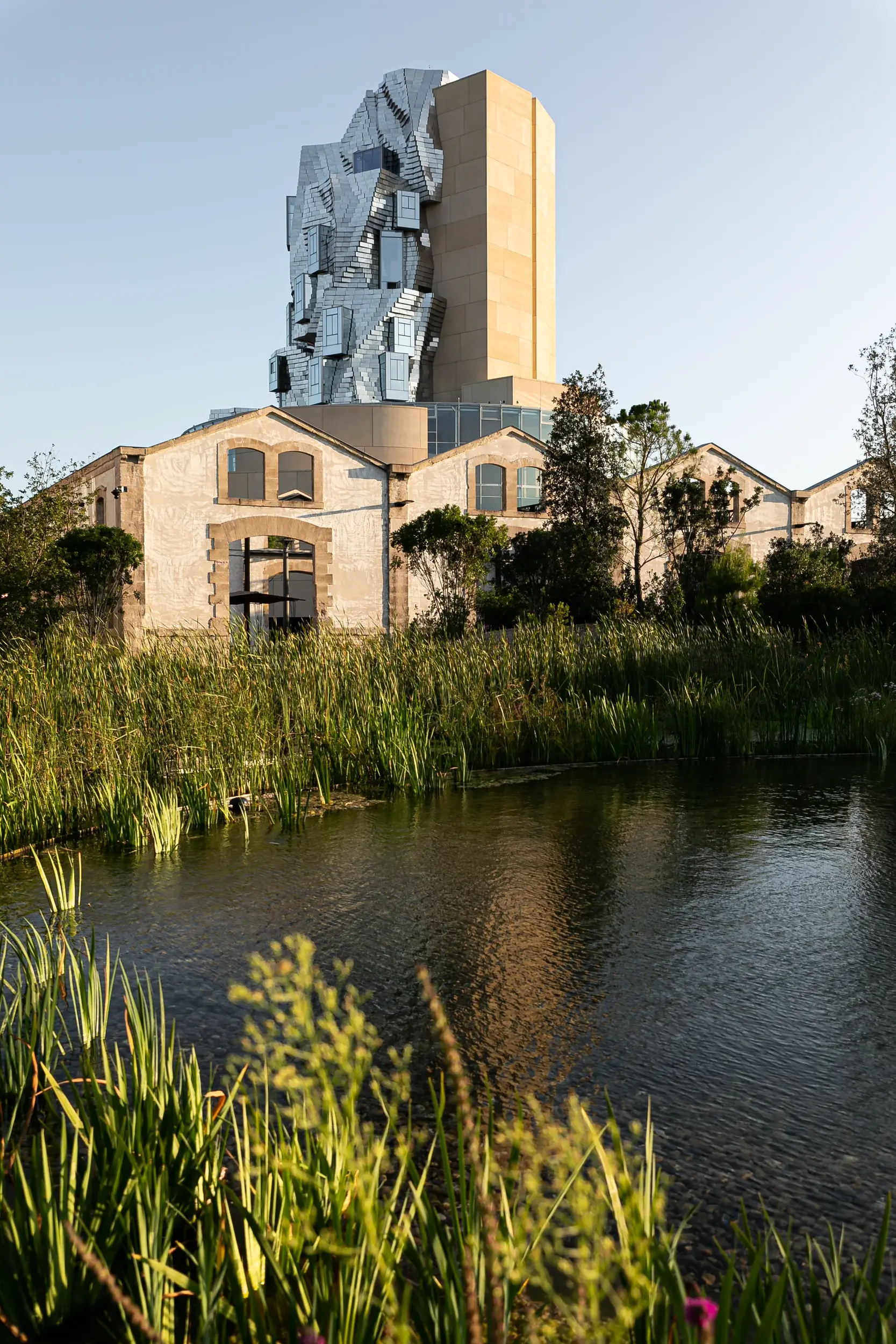
The pond at the Parc des Ateliers.
Photo: © Adrian Deweerdt
Some information and key figures
Welcoming, green, and alive, this new public park is the result of several years of work led by LUMA Arles in partnership with the City of Arles.
A few key figures help convey the scale of the project.
Construction period:
2017—2021
Park area:
41,800 m²
Pond area:
2,500 m²
More than 80,000
plants and shrubs
Awards and distinctions of the LUMA Arles landscaped park
In 2021, the landscaped park was nominated in the “Public and Landscape Spaces” category of the Équerre d’Argent, a major architecture award.
In 2024, the park received the Grand Jury Prize at the Victoires du Paysage, an event organized by Valhor, the French interprofessional organization for horticulture.
In 2025, the landscaped park gained European recognition in the field of landscape and urban greening by winning the Silver Medal at the Green Cities Europe Awards. Selected by an international jury of experts, the landscaped park was recognized for the quality of its landscape design, its environmental impact, and its contribution to more resilient, inclusive, and enjoyable urban spaces.
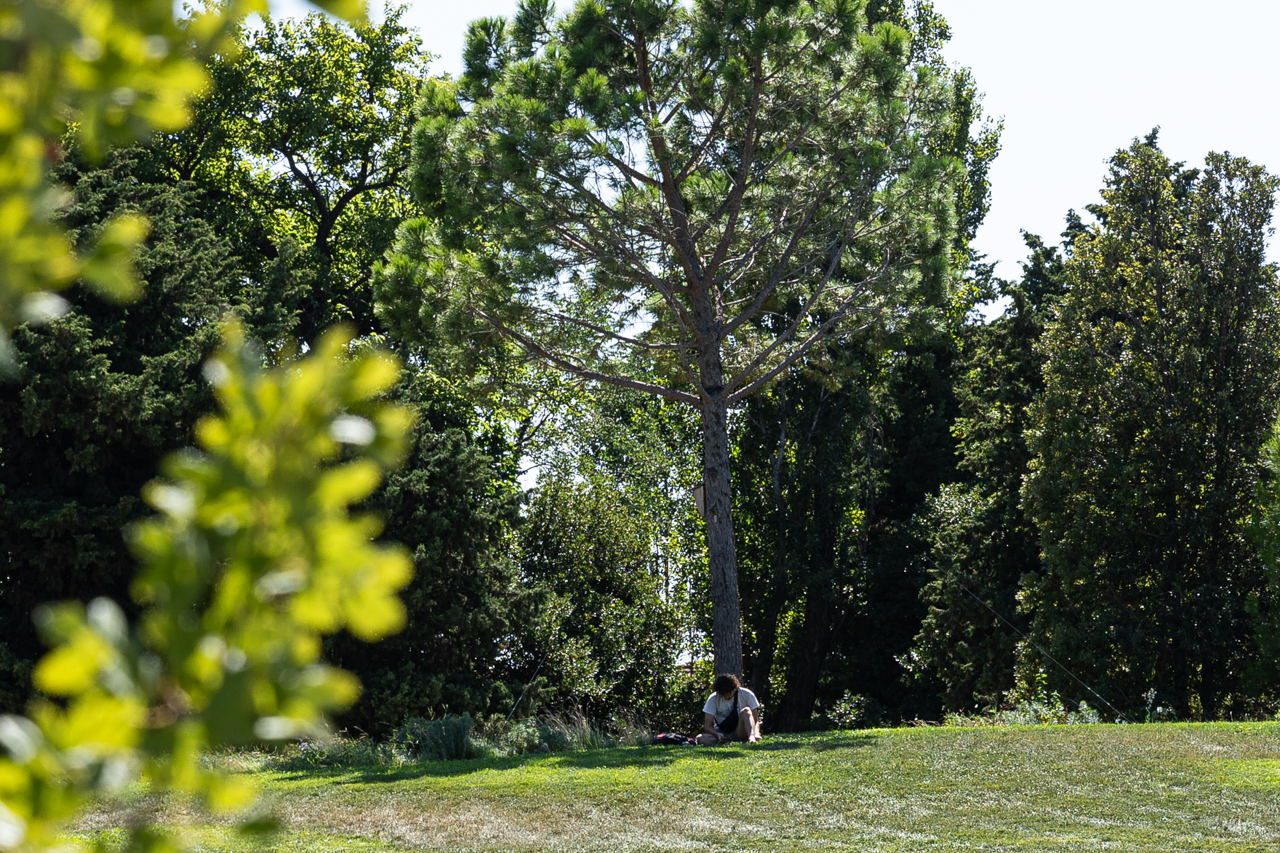
A visitor in the shade of a stone pine (Pinus pinea).
Photo: © Adrian Deweerdt
Pictures of the landscaped park


Learn more about Bas Smets, landscape architect
“Planting trees means believing in the future.”
Bas Smets, quoted during a conversation with Maja Hoffmann, 2021
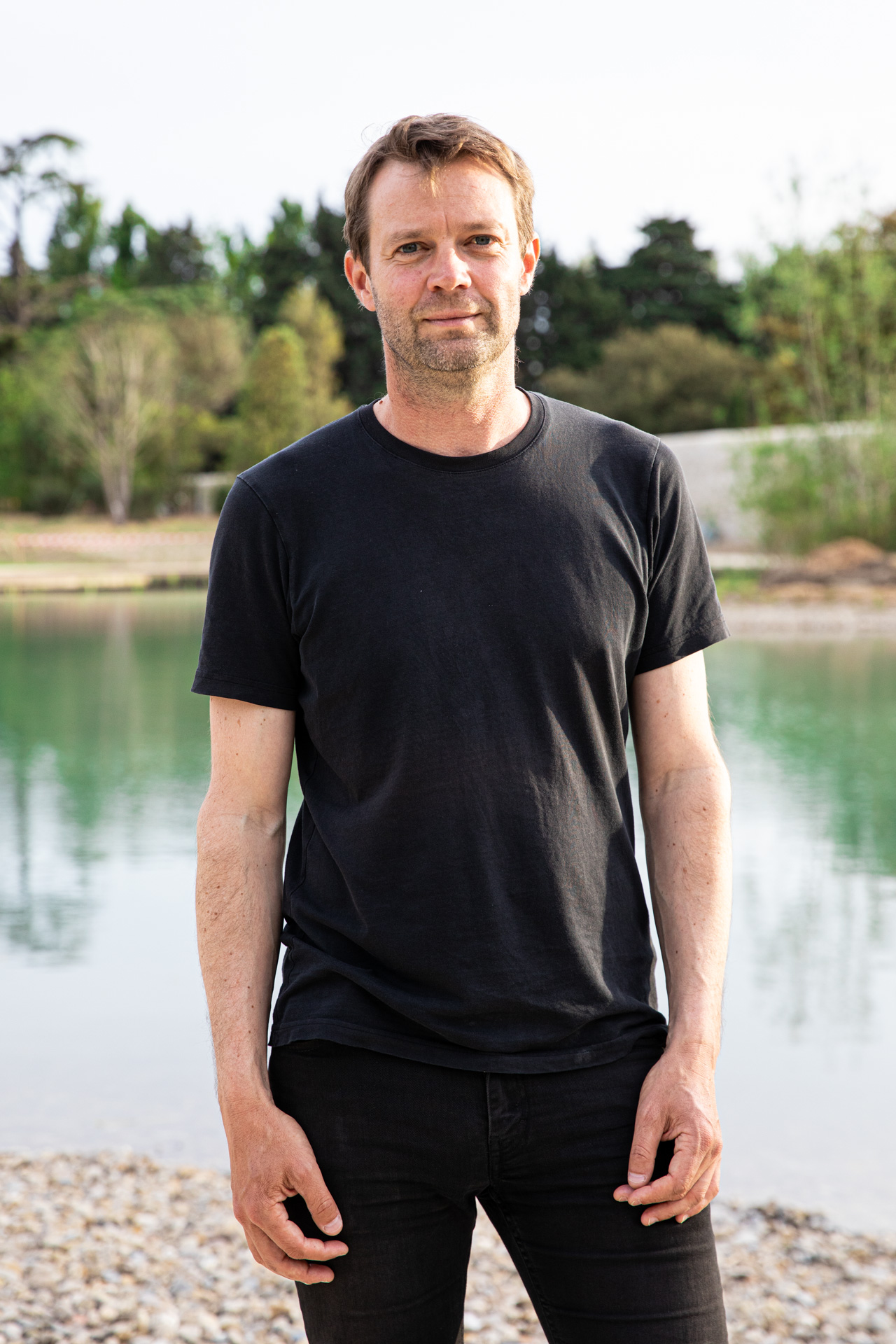
Bas Smets in the landscaped park at LUMA Arles, 2021.
Photo: © Adrian Deweerdt
Bas Smets, born in 1975 in Belgium, is a landscape architect with a multidisciplinary background that has shaped his unique approach to creating innovative and sustainable urban spaces.
He founded his firm in 2007 in Brussels which has since built over 50 international projects, including the LUMA Parc des Ateliers in Arles, the Thurn & Taxis Park in Brussels, the Sunken Garden in London, and the Himara Waterfront in Albania. In 2022, Smets won the prestigious international competition to redesign the public space surrounding Notre-Dame Cathedral in Paris.
Smets' approach is characterized by his concept of"Augmented Landscapes," which utilizes natural processes to create new microclimates. He often collaborates with artists and scientists, reflecting his commitment to interdisciplinary innovation.
2023, Smets was appointed Professor in Practice at the Graduate School of Design of Harvard University, where he continues to explore inventive ways to transform urban environments into ecological systems capable of mitigating climate change. His visionary approach to landscape architecture offers a promising path forward for making cities more resilient to the challenges of the climate crisis.
Bas Smets on the LUMA Arles Park
Imagining the LUMA Arles park with Bas Smets
Feeling the park
FAQ: Landscaped Park
How do you water the park garden in Arles’ dry climate?
Irrigation of the landscaped park was designed to avoid any negative impact on the environment. In agreement with the Crau irrigation authority, water is drawn from the Canal de Craponne, which runs along the southern edge of the Parc des Ateliers. It is then stored in two underground tanks of approximately 1,000 cubic meters each and filtered through a natural process.
The water is released into the park’s pond, from which it is used to irrigate the garden. In addition, rainwater is collected from the roofs of the buildings through a gutter system and reused to supply the sanitary networks.
Who owns what in the park? And who funds it?
The garden covers nearly four hectares (41,800 m² precisely) on land owned either by Ateliers d’Arles Immobilier, whose principal shareholder is Maja Hoffmann, or by the City of Arles. Both owners agreed that the park would be public—free of charge and open to everyone.
The design of the landscaped park by landscape architect Bas Smets was funded by LUMA Arles as a donation. Development works, totaling €10.3 million, were carried out by the agency AREA, acting on behalf of the City of Arles. Of this amount, €4 million was contributed by the City for the public areas, and €6.3 million by LUMA Arles for the private areas.
Investments in equipment and maintenance tools, amounting to €1.5 million, are shared equally between the City and LUMA Arles. The ongoing maintenance and management of the park are also jointly ensured by the City and LUMA Arles, through a property owners’ association (ASL) created for this purpose.