Now showing at LUMA Arles: David Armstrong, Liu Chuang, Maria Lassnig, Philippe Parreno, and Tony Oursler


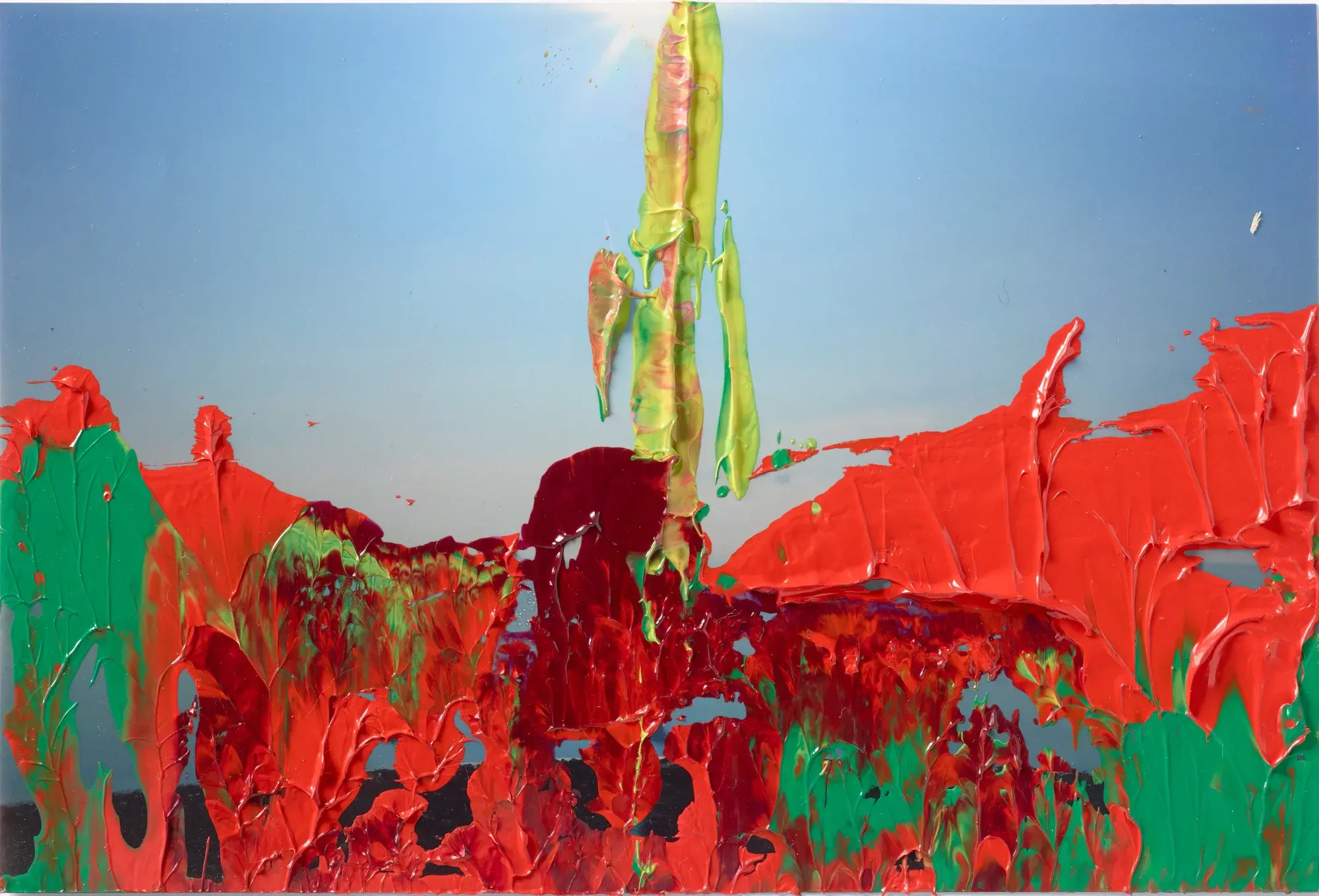
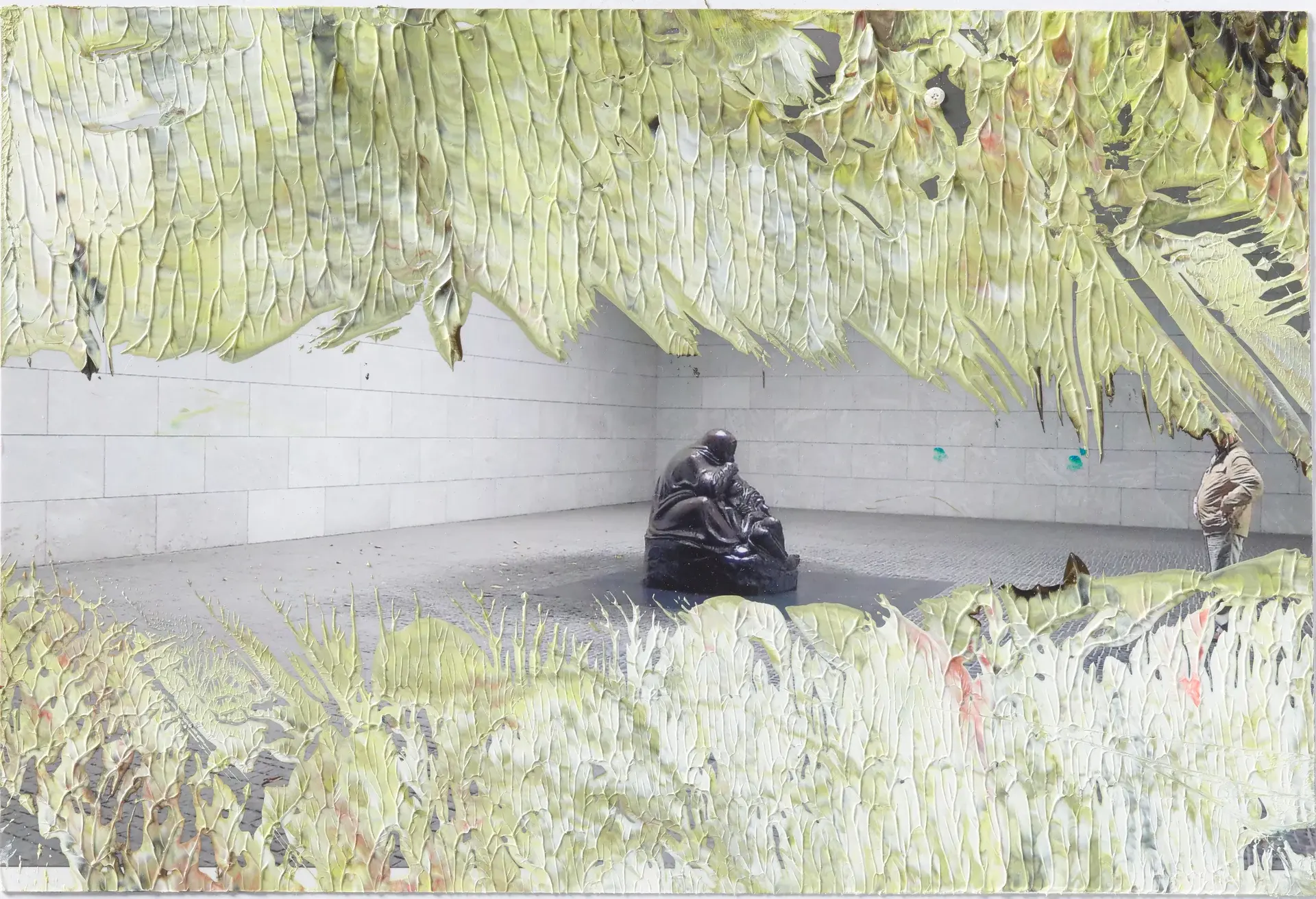
Overpainted Photographs
- Painting |
- Photography
- Upcoming
Credits
© Gerhard Richter 2026
© Gerhard Richter 2026
Pictures
Credits
© Gerhard Richter 2026

Credits
© Gerhard Richter 2026
×
![]()


1
/
2
/Portrait_Gerhard_Richter_Foto_David_Pinzer-1536x1024%20(1)%20-%20844%20x%20563.webp)
Gerhard Richter
The artist Gerhard Richter was born in Dresden in 1932. From 1951 to 1956 he studied wall painting at the Academy of Fine Arts there. In 1961 he left the GDR and moved to Düsseldorf. From 1961 to 1964 Richter studied painting in the class of K. O. Götz at the State Art Academy in Düsseldorf. Ten years later he became a professor of painting in Düsseldorf. In 1994 he gave up his teaching position.
From 1962 onwards, while still a student, he developed his own artistic oeuvre, initially based on photographic models. He later expanded his painting to include a wide variety of abstract styles. In addition to paintings and objects, Richter's complex oeuvre also includes drawings, watercolors, editions as well as multiples, and, since 1986, overpainted photographs. His works can be found in the most important museum collections and are exhibited worldwide. Gerhard Richter is considered one of the most important and influential living artists.
The artist lives and works in Cologne.