
Environmental History IV symposium: Learning from the Unknown
- Environment
- Free, upon booking

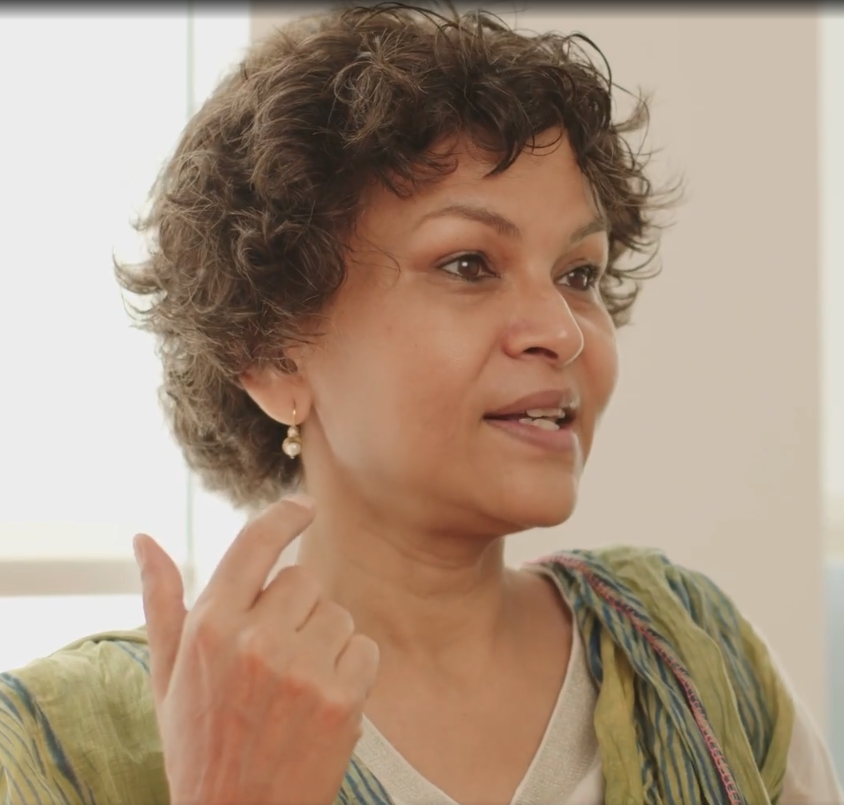
Amita Baviskar
/C6A15D2E11A7C7DD1EDACBF46386F2C4.webp)
Laurens Bekemans
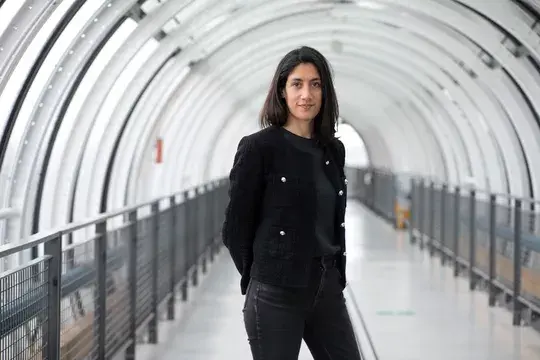
Jeanne Brun
Jeanne Brun is Chief Curator of Heritage and Deputy Director of the Musée national d'art moderne - Centre Georges Pompidou. She has led several cultural institutions and has served as curator or artistic director for numerous exhibitions and events, including Victor Brauner (Musée d'art moderne de Paris, 2020), Nuit Blanche 2020, L'âme primitive (Musée Zadkine, 2021), and Le Prix Marcel Duchamp 2024 (Centre Georges Pompidou).
As Director of Cultural Development and Museum at the Bibliothèque nationale de France until 2023, she curated the Apocalypse exhibition, which was presented at the BnF-Tolbiac until June 8.
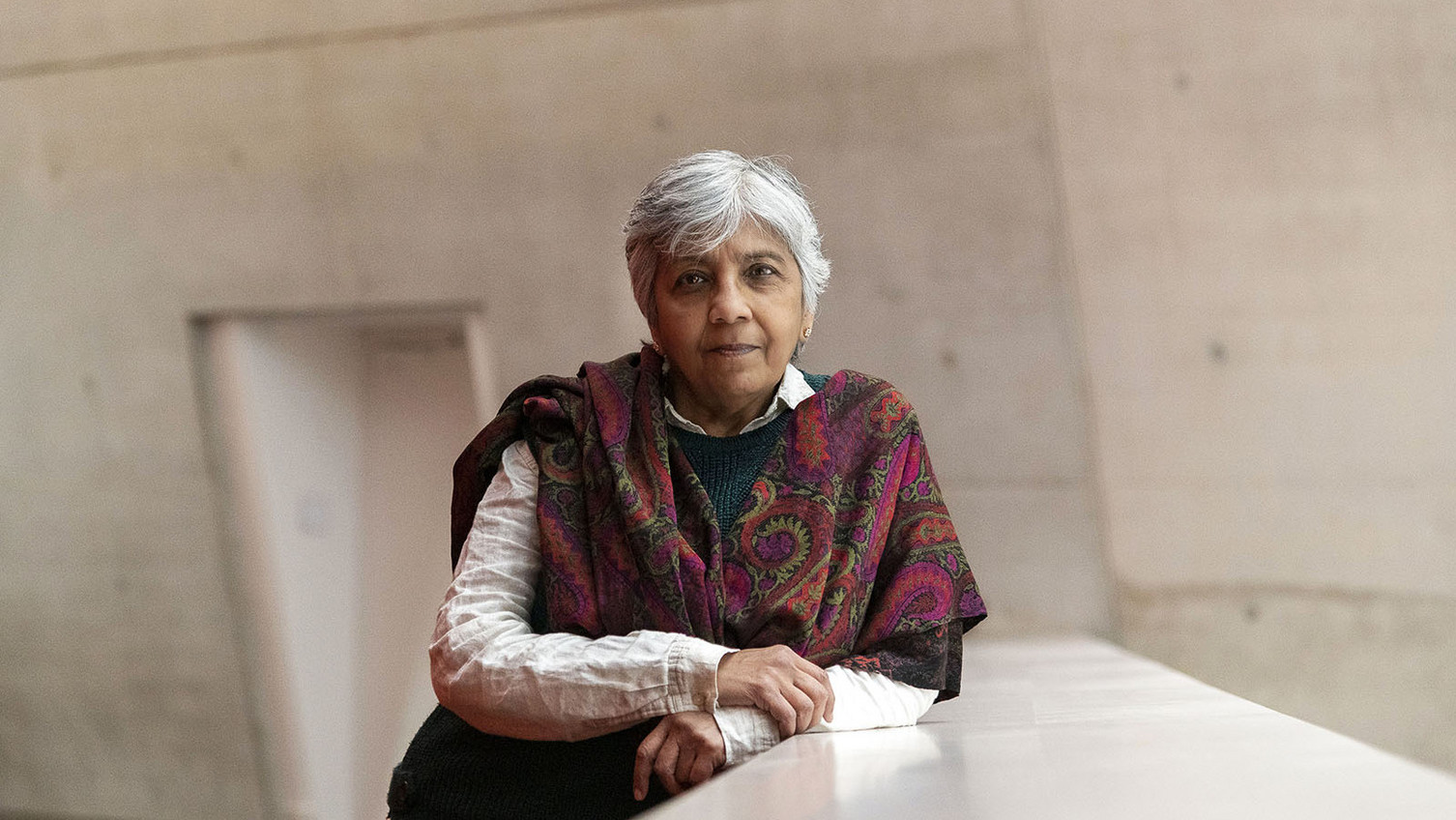
Radha D'Souza
Radha D'Souza is Professor of Law at Westminster Law School. She specializes in environmental justice and climate crime, notably through the Court for International Climate Crisis project. She is the author of What's Wrong With Rights? Social Movements, Law and Liberal Imaginations (2018) and Interstate Disputes over Krishna Waters: Law, Science and Imperialism (2006).
%20(1).webp)
Olivier Dangles
Olivier Dangles is Director of Research at the Institut de Recherche pour le Développement (IRD). An ecologist specializing in the effects of global change on biodiversity, he is the author of over 200 scientific publications and eight books, including one exploring Humboldt’s legacy in modern science. Currently based in Quito, Ecuador, he co-founded WasiLab, a “Laudato Si’ – United Nations University” center dedicated to sustainability science. His nomadic and aesthetic scientific approach is marked by numerous collaborations with the humanities and the arts.
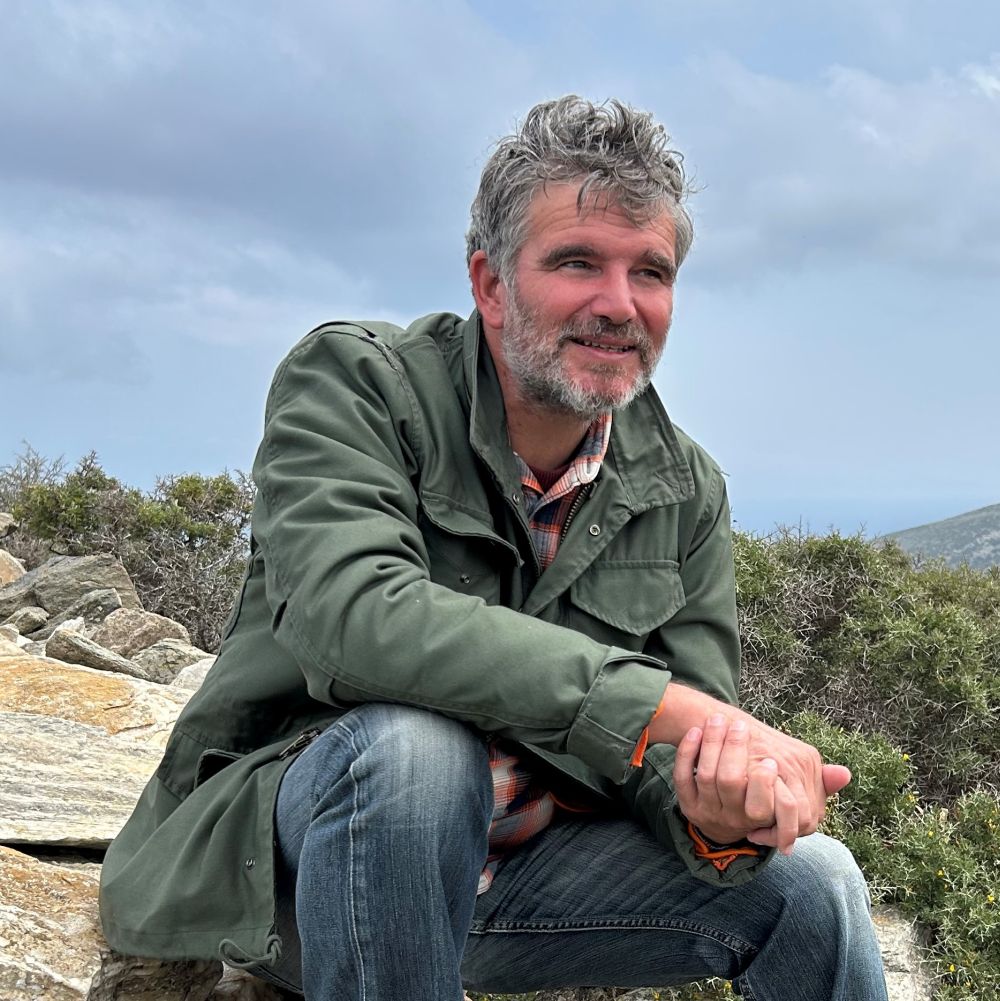
Thomas Doxiadis
Thomas Doxiadis is an architect and professor at the University of Patras, Greece. He explores the relationship between space and democracy, and worked for the Athens Olympic Games. He is a graduate of Harvard University, where he was a teaching assistant, and has received academic awards such as the Harvard College Scholarship, the Thomas T. Hoopes, Rudolf Arnheim and Penny White awards.
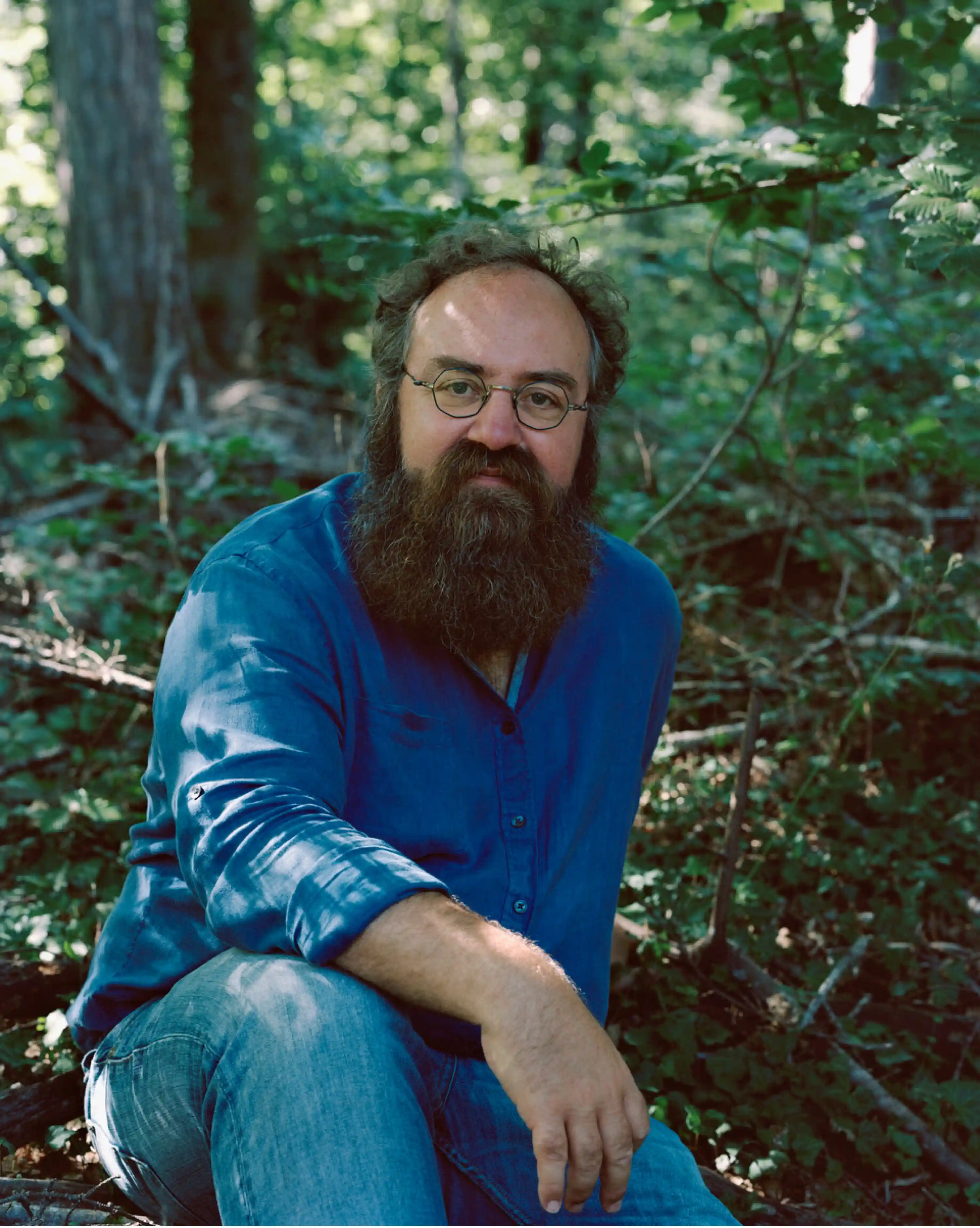
Matthieu Duperrex
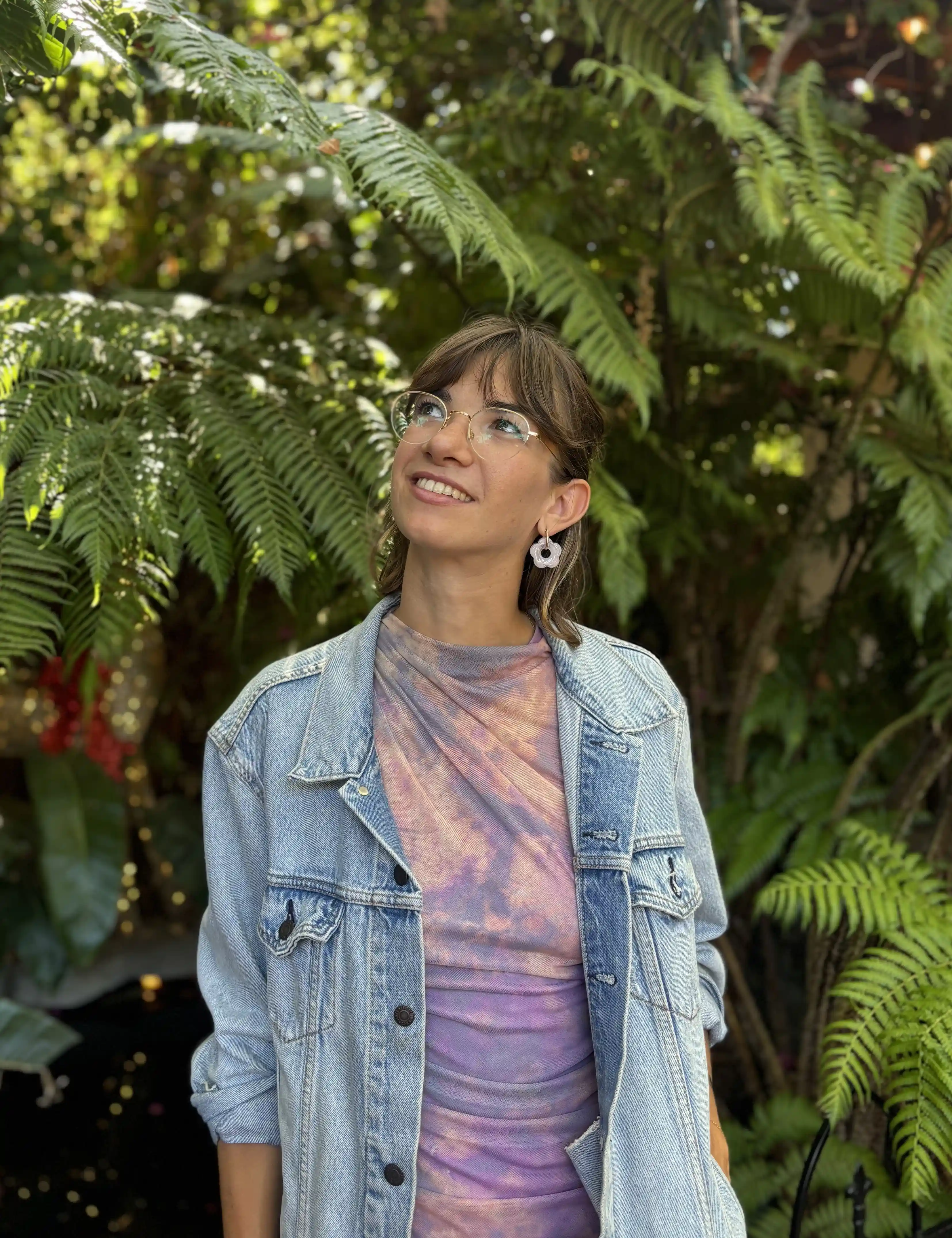
Magdalena Grüner
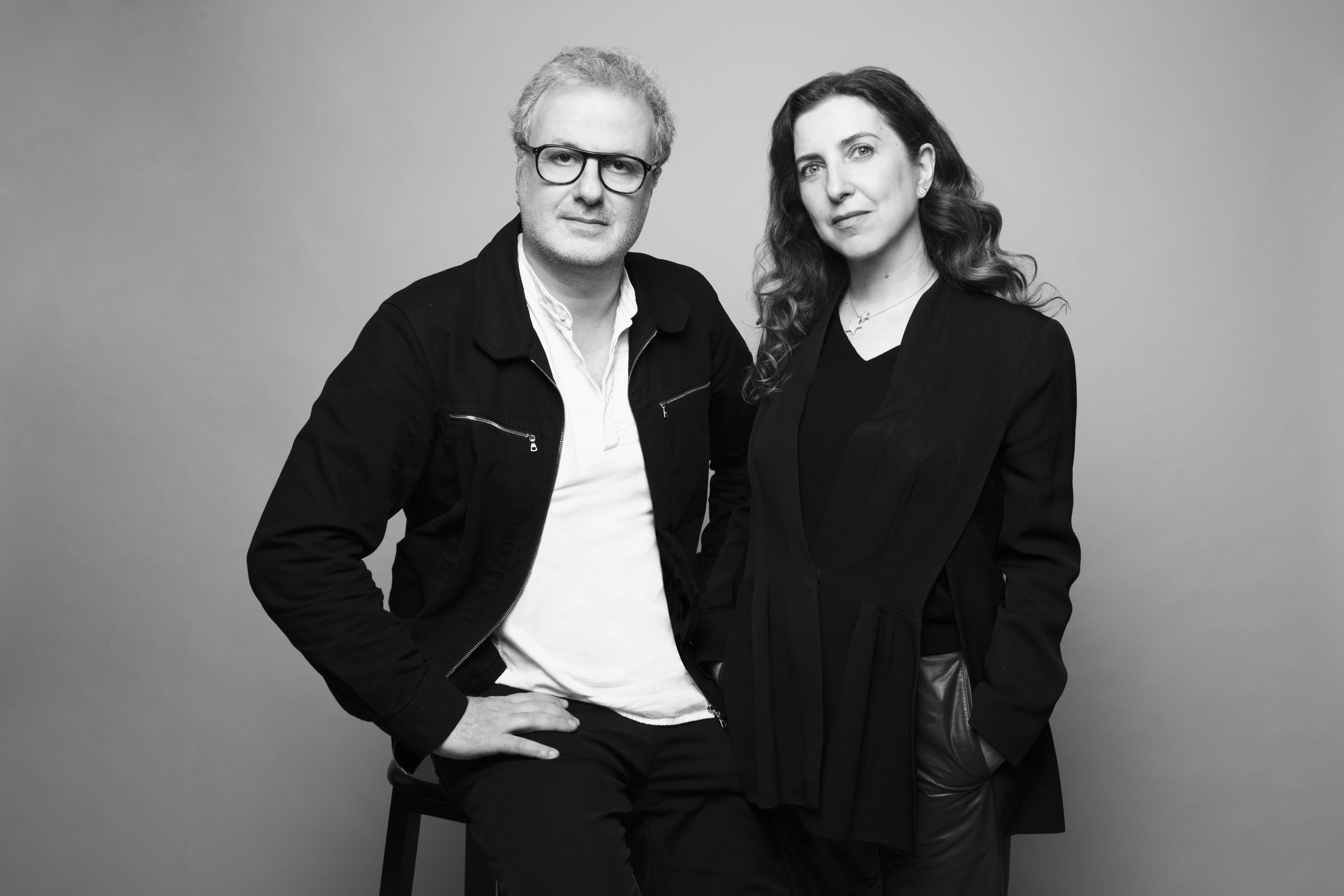
Joana Hadjithomas / Khalil Joreige
Joana Hadjithomas and Khalil Joreige are filmmakers and artists. They question the fabrication of images and representations, the construction of the imaginary, and the writing of history. Their works create thematic and formal links between photography, video, performance, installation, sculpture, and cinema, whether documentary or fictional. Their major works include Memory Box (2021), Ismyrna (2016), The Lebanese Rocket Society (2012), Je Veux Voir (2008), and A Perfect Day (2005). They have had solo exhibitions at the Jeu de Paume in Paris, Haus der Kunst in Munich, MoMA in New York, Tate Modern in London, and the Guggenheim in New York, among others. They have participated in numerous biennials, including Taipei, Venice, Istanbul, Lyon, Sharjah, Kochi, Gwangju, and the Paris Triennale.

Tom Hirst
Tom Hirst is a London-based musician. His music draws inspiration from hauntological pop, heavy guitar music, computer-generated and modular synth-based generative music, as well as science fiction soundtracks. He plays guitar in Alice Band and writes and performs with Freya Barlow as the synth-pop duo Sugar Daddy. In previous projects, he has worked with artists including Alice Theobald, Lizzie Homersham, and Ayesha Hameed.
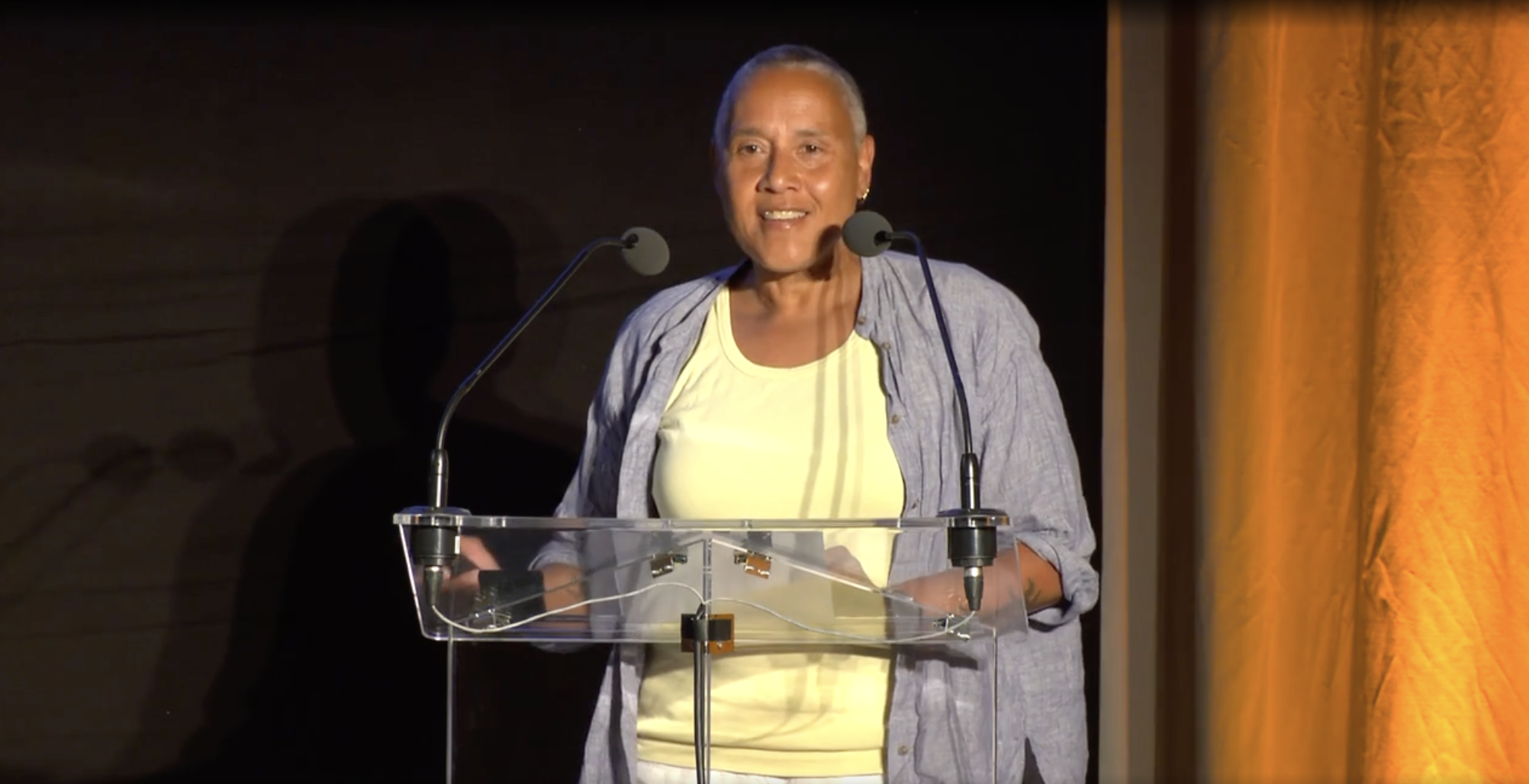
Catharina Landström
Catharina Landström is Associate Professor and Head of the Science, Technology and Society Division at Chalmers University of Technology in Sweden. Her research focuses on environmental risk management, with a particular emphasis on issues related to nuclear waste. She is the author of Environmental Participation: Practices Engaging the Public with Science and Governance (2020), published by Palgrave Macmillan. She is a regular contributor to leading scientific journals such as Futures and Social Studies of Science.
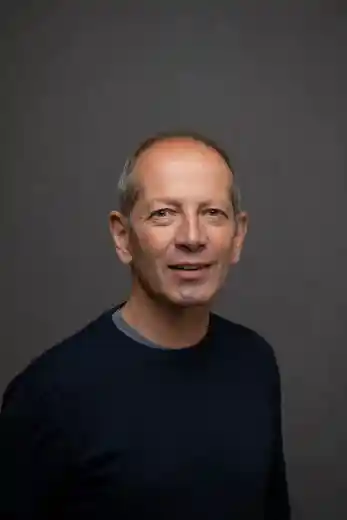
Éric Daniel-Lacombe
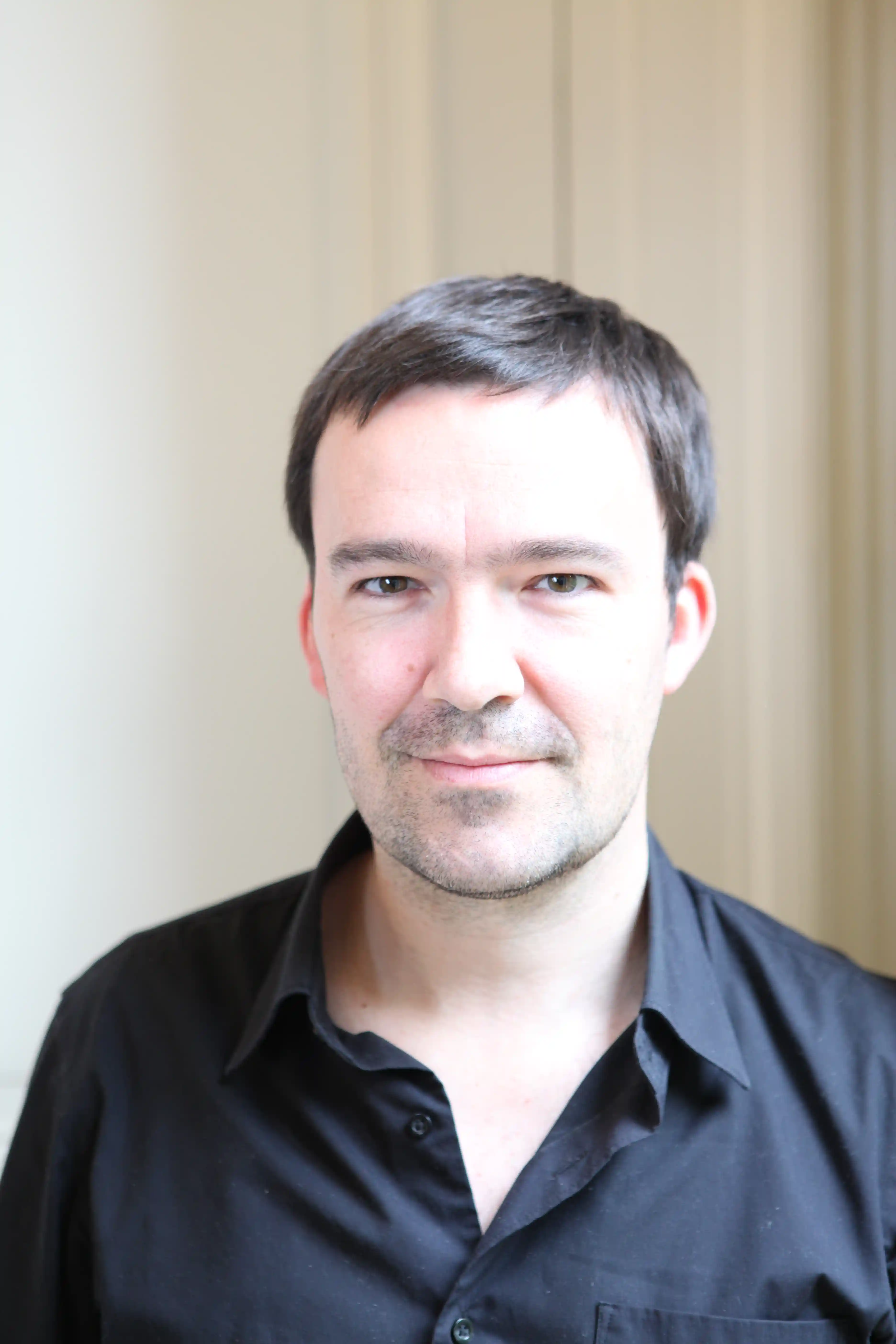
Christophe Leclercq
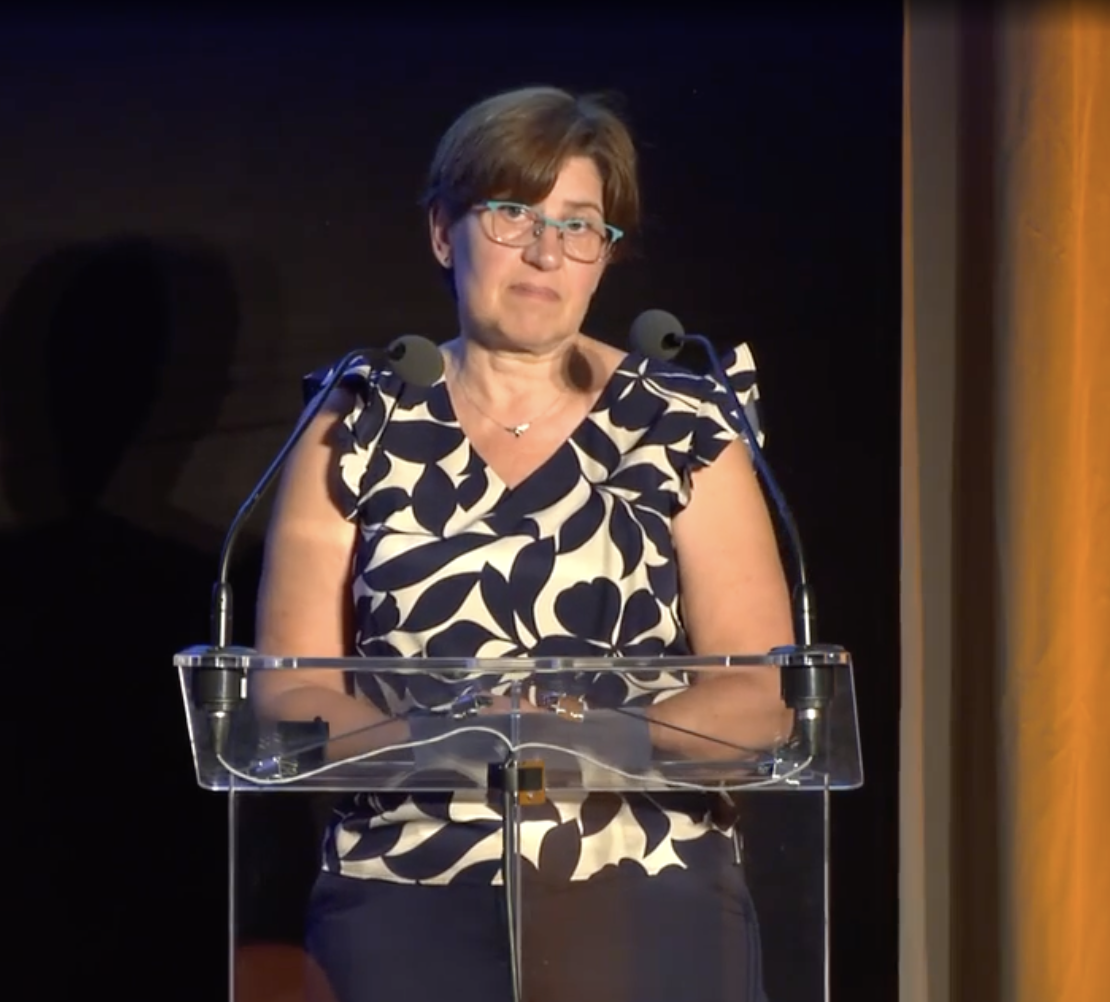
Valérie Masson-Delmotte
Valérie Masson-Delmotte is a climatologist and former co-director of Group I of the IPCC. She uses past climate data to model climate change and has contributed to several influential IPCC reports. She is the author of Quel climat pour vous, vos enfants, vos petits-enfants ? [What Kind of Climate for You, Your Children, and Your Grandchildren?] (2021) and, more recently, Face au changement climatique [Facing Climate Change] (2024).
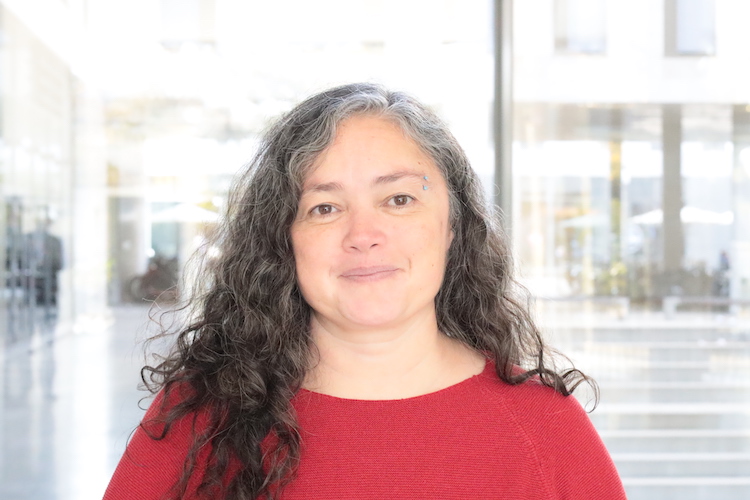
Patricia Murrieta-Flores
Patricia Murrieta-Flores is Distinguished Professor in Digital Humanities and Artificial Intelligence at Tecnológico de Monterrey in Mexico, and Chair of Digital Humanities at Lancaster University in the UK. A historical archaeologist, her work centers on the development of computational methods for the study of early Colonial Mexican history. She has led multiple internationally funded projects, including Digging into Early Colonial Mexico, Unlocking the Colonial Archive, and the current Fleets of New Spain.
Her research also explores Indigenous perspectives on colonial knowledge of health and disease, particularly in relation to the epidemics of the 16th century. She has published widely in scientific journals and edited volumes, and is a Fellow of the Royal Historical Society as well as the Centre for Apocalyptic and Postapocalyptic Studies at the University of Heidelberg.
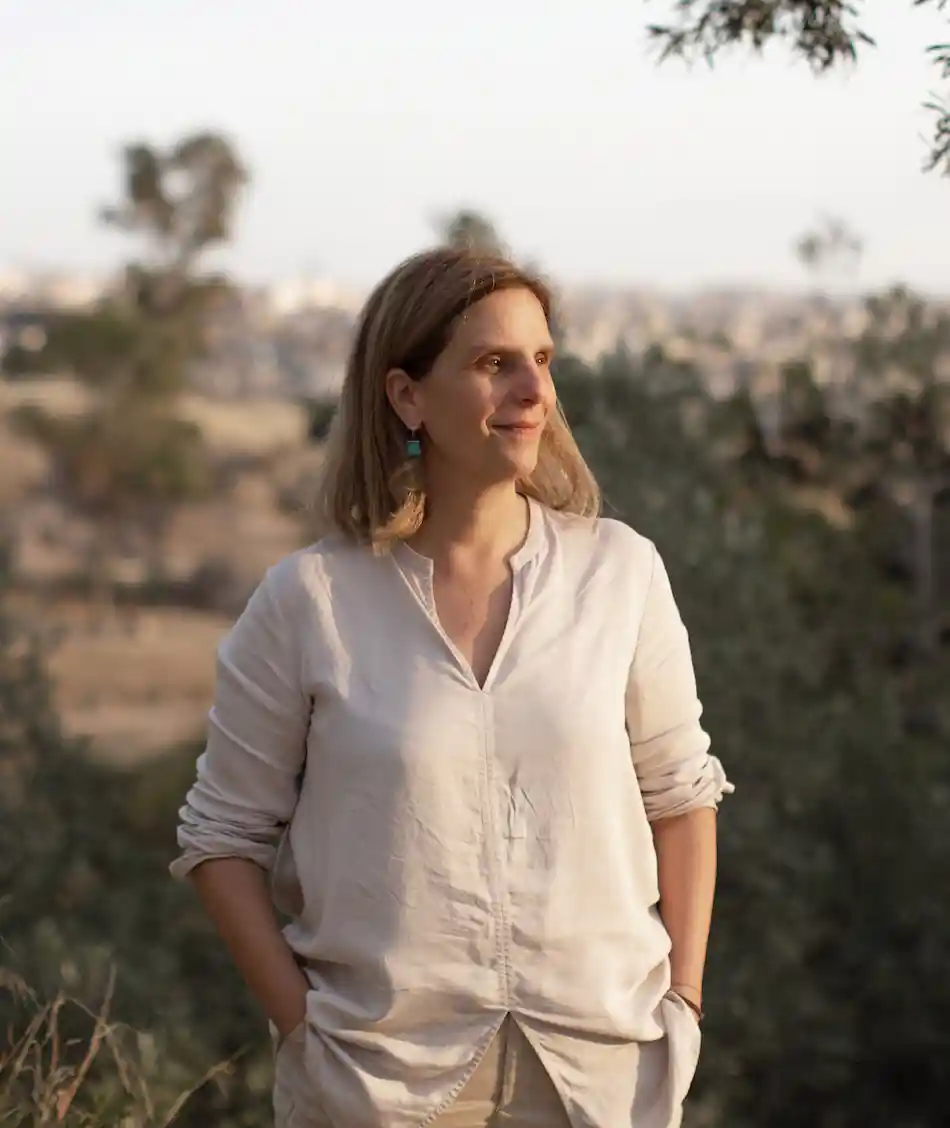
Eleni Myrivili
Former Deputy Mayor of Athens, she led the city’s Urban Resilience Plan, securing €55M in EIB funding. A Perry World House Fellow at UPenn and former Loeb Fellow at Harvard, she holds a Ph.D. in Anthropology from Columbia University.

Grégory Quenet
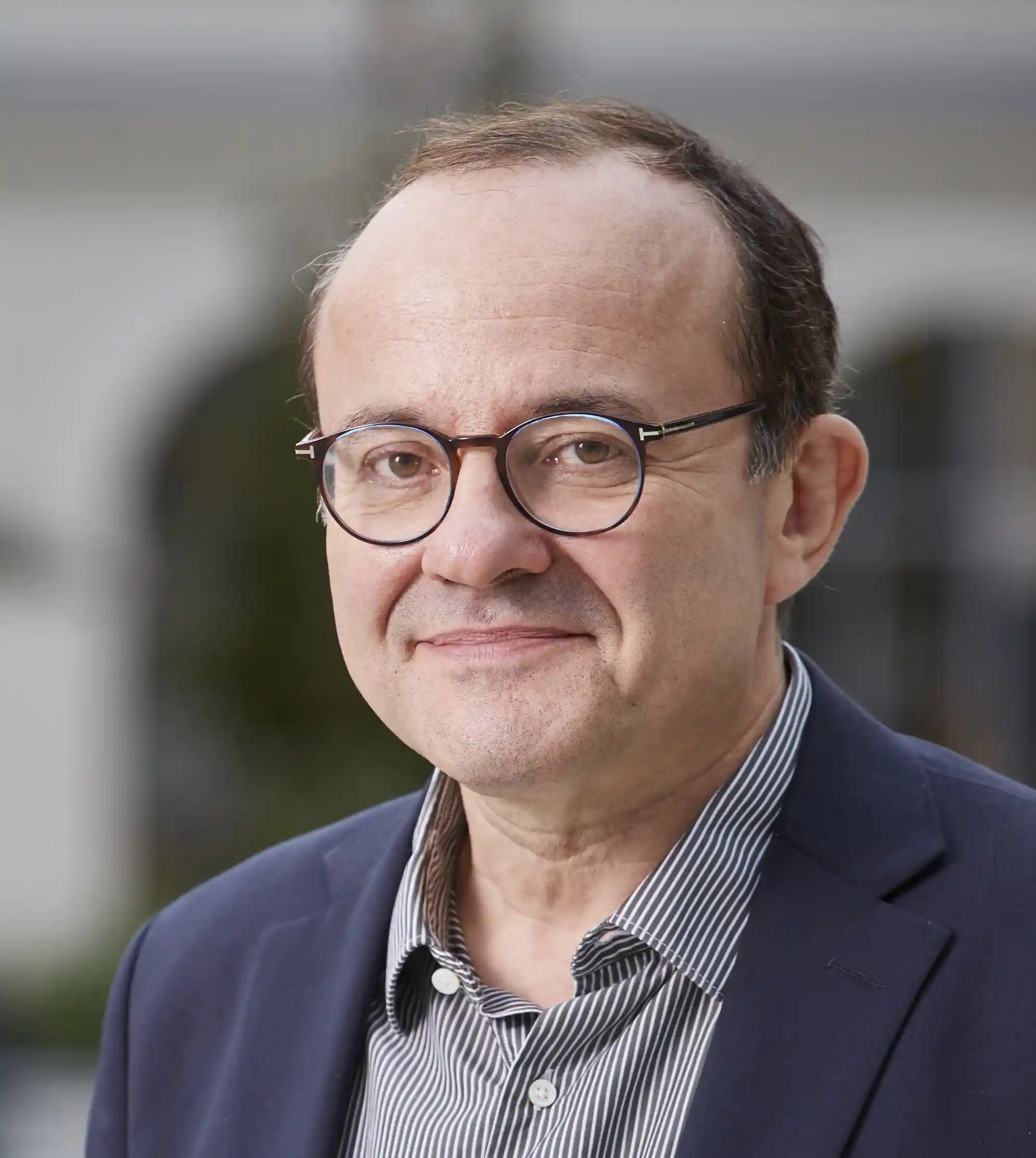
Paul-André Rosental
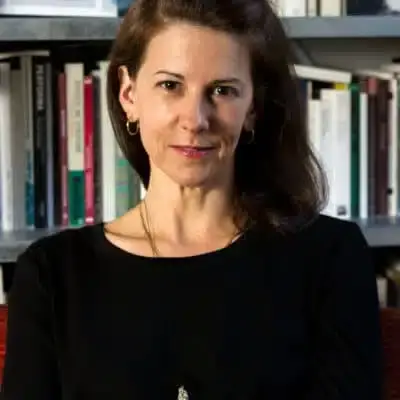
Élodie Royer
Elodie Royer is an independent curator and doctoral student at the École Normale Supérieure. Her work focuses on the interactions between art and the environment, exploring ecological narratives and artistic practices. At the Maison de la culture du Japon, she curated the exhibition Les Êtres Lieux in 2022 and co-curated L’Écologie des choses in 2025 [The Ecology of Things] ; its second installment, L’Écologie des relations [The Ecology of Relations], will be presented at the FRAC Sud in Marseille. Between 2016 and 2020, she conceived a series of exhibitions commissioned by KADIST and MOT Tokyo Museum of Contemporary Art in collaboration with Che Kyongfa.
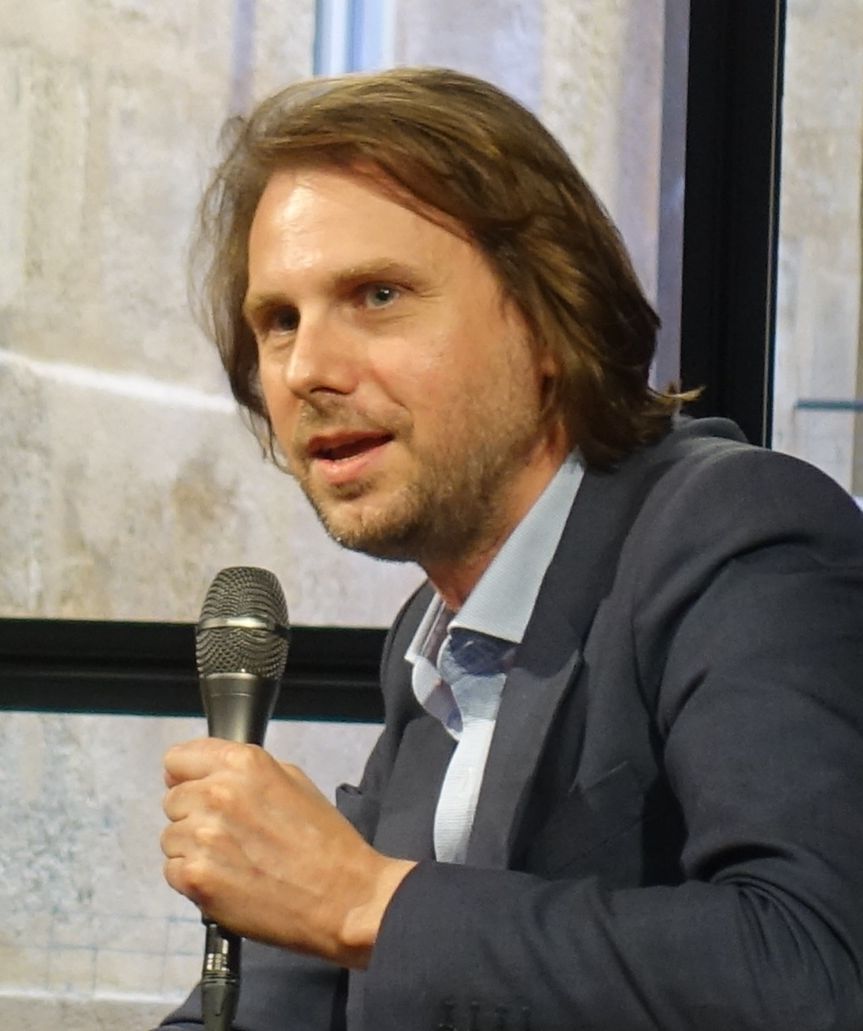
Thomas Schlesser
Thomas Schlesser is Director of the Hartung-Bergman Foundation and Professor at the École Polytechnique. An art historian, he studies the relationship between art and politics. He is notably the author of L'Univers sans l'homme: les arts contre l'anthropocentrisme (2016) [The Universe without Man: the Arts against Anthropocentrism] and, more recently, of the novel Les yeux de Mona (2024) [Mona's Eyes].
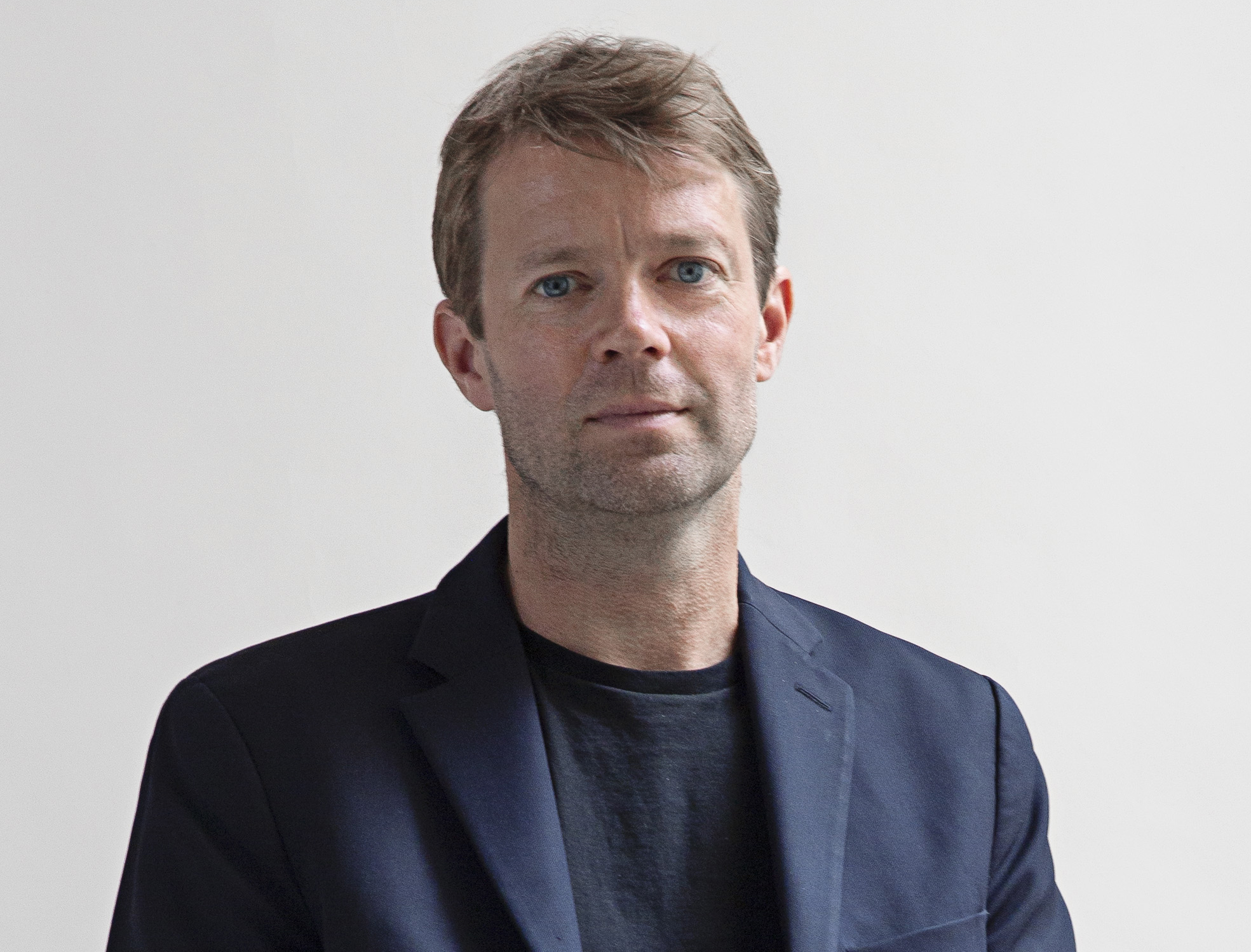
Bas Smets
Bas Smets, born in 1975 in Belgium, is a landscape architect with a multidisciplinary background that has shaped his unique approach to creating innovative and sustainable urban spaces. He founded his firm in 2007 in Brussels which has since built over 50 international projects, including the LUMA Parc des Ateliers in Arles, the Thurn & Taxis Park in Brussels, the Sunken Garden in London, and the Himara Waterfront in Albania. In 2022, Smets won the prestigious international competition to redesign the public space surrounding Notre-Dame Cathedral in Paris.
Smets' approach is characterized by his concept of "Augmented Landscapes," which utilizes natural processes to create new microclimates. He often collaborates with artists and scientists, reflecting his commitment to interdisciplinary innovation.
2023, Smets was appointed Professor in Practice at the Graduate School of Design of Harvard University, where he continues to explore inventive ways to transform urban environments into ecological systems capable of mitigating climate change. His visionary approach to landscape architecture offers a promising path forward for making cities more resilient to the challenges of the climate crisis.
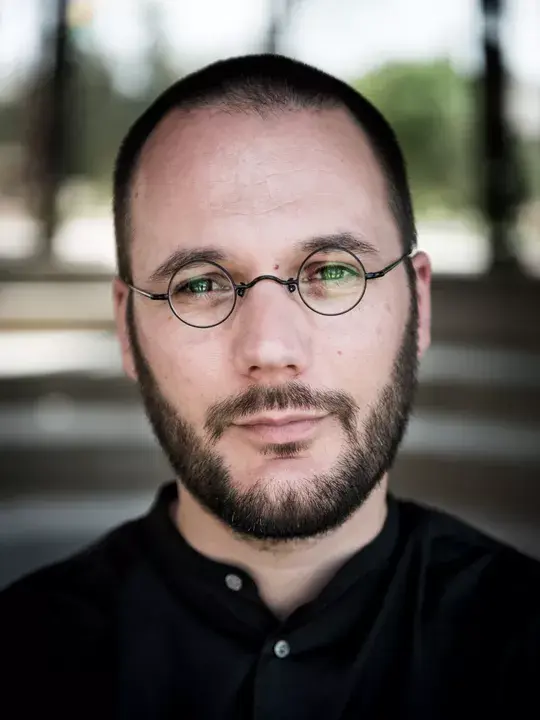
Jonas Staal
Jonas Staal is an artist. His work, which examines the relationship between art, propaganda, and democracy, has been exhibited in prestigious venues such as the Stedelijk Museum. He collaborated with Radha D'Souza on the Court for International Climate Crisis project. His exhibition-projects have been widely exhibited at venues such as the Stedelijk Museum in Amsterdam, the M_HKA in Antwerp, the Moderna Museet in Stockholm, and the Nam June Paik Art Center in Seoul, as well as at the 7th Berlin Biennale, the 31st São Paulo Biennale, and the 12th Taipei Biennale.
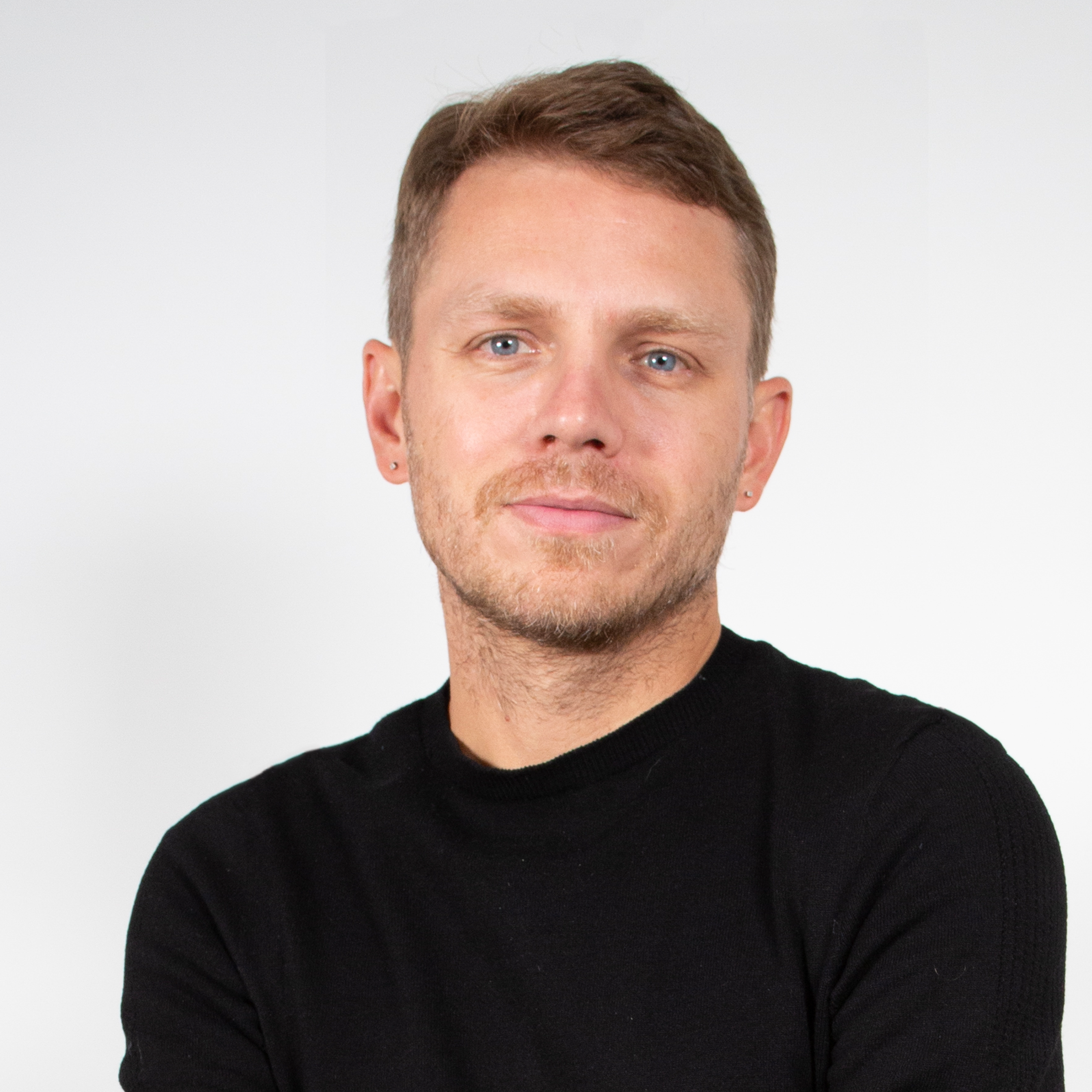
Skylar Tibbits
Skylar Tibbits is a designer and computer scientist, and founder of the Self-Assembly Lab at MIT. He is best known for creating 4D printing. He is the author of Things Fall Together: A Guide to the New Materials Revolution (2021). His work has earned him several honors, including LinkedIn’s Next Wave (2016), R&D Innovator of the Year (2015), and National Geographic Emerging Explorer (2015), among others.