Open |
Open from
Closed today
Ticketing
My selection

Dancing in the Zoo. On Simone Forti's Choreographic Work "with" and "for" Zoo Animals

In this lecture, writer and curator Filipa Ramos explores the singular choreographic work of Simone Forti, a pioneer of experimental dance, who in the 1960s created a series of performances inspired by—and intended for—animals in captivity. Through this artistic gesture, Forti questioned the boundaries between species, forms of nonverbal communication, and the possibility of interspecies dialogue through movement. Filipa Ramos examines this practice in light of her research on ecology in art, the relationships between nature, technology, and culture, and potential ways of moving beyond anthropocentrism in contemporary art. She invites us to rethink how we perceive animals—not as objects of representation, but as creative partners and sentient subjects.
  • Environment
  • Biodiversity

More episodes from this series

1_m2gij8n9
video
Anthropocene Enquiry in Arles. Exhibitions in Light of the Heat Wave Valérie Disdier
Environmental History II: Which narratives, which poetics, which history for the Earth?
~ 18 min
1_xaqn7npf
video
Inhabiting the Earth Differently: An Introduction to Environmental History Grégory Quenet
Environmental History II: Which narratives, which poetics, which history for the Earth?
~ 35 min
1_dbxew4uh
video
A Metabolic History of Agriculture in 19th-Century Marseille. Temporalities, Organic Transactions, Ruptures Rémi Grisal
Environmental History II: Which narratives, which poetics, which history for the Earth?
~ 33 min
1_m2or02wt
video
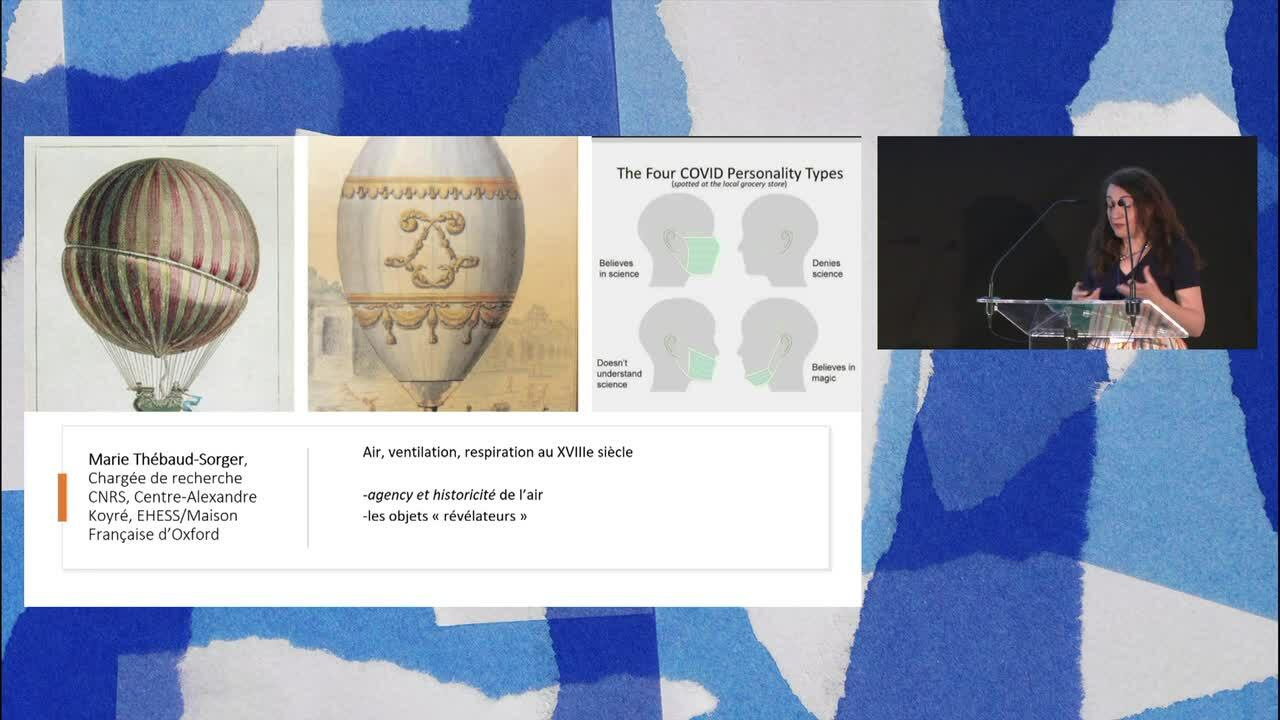
Air, Ventilation, Breathing in the 18th Century Marie Thébaud-Sorger
Environmental History II: Which narratives, which poetics, which history for the Earth?
~ 44 min
1_ds5fyyc9
video
Planetary Blues: Environmental History, Good and Bad Ghosts of the Future Christof Mauch
Environmental History II: Which narratives, which poetics, which history for the Earth?
~ 45 min
1_jlkbgimy
video
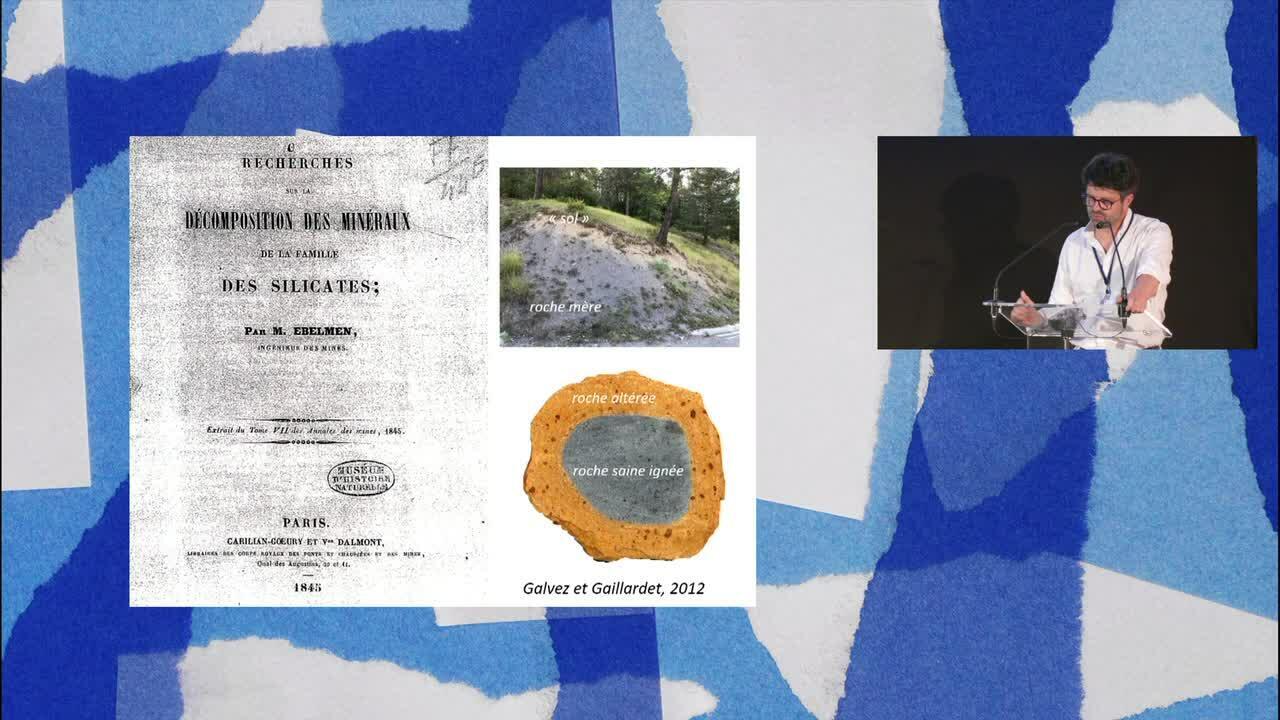
Journey to the Earth's surface. Geochemical Perspective on Habitability Jérôme Gaillardet
Environmental History II: Which narratives, which poetics, which history for the Earth?
~ 31 min
1_dp0npqfy
video
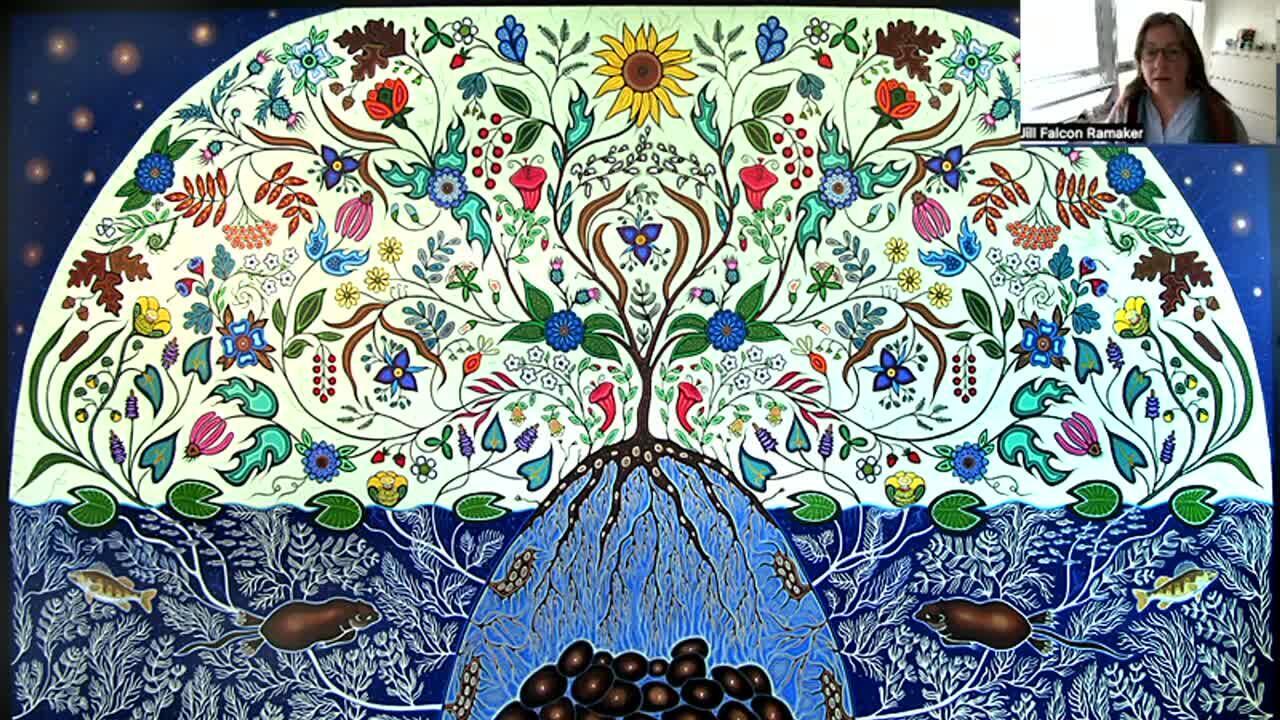
Healing the Web of Life: the Buffalo Nations Food System of the Northern Plains and Rockies Jill Falcon Ramaker
Environmental History II: Which narratives, which poetics, which history for the Earth?
~ 27 min
1_2mhejd91
video
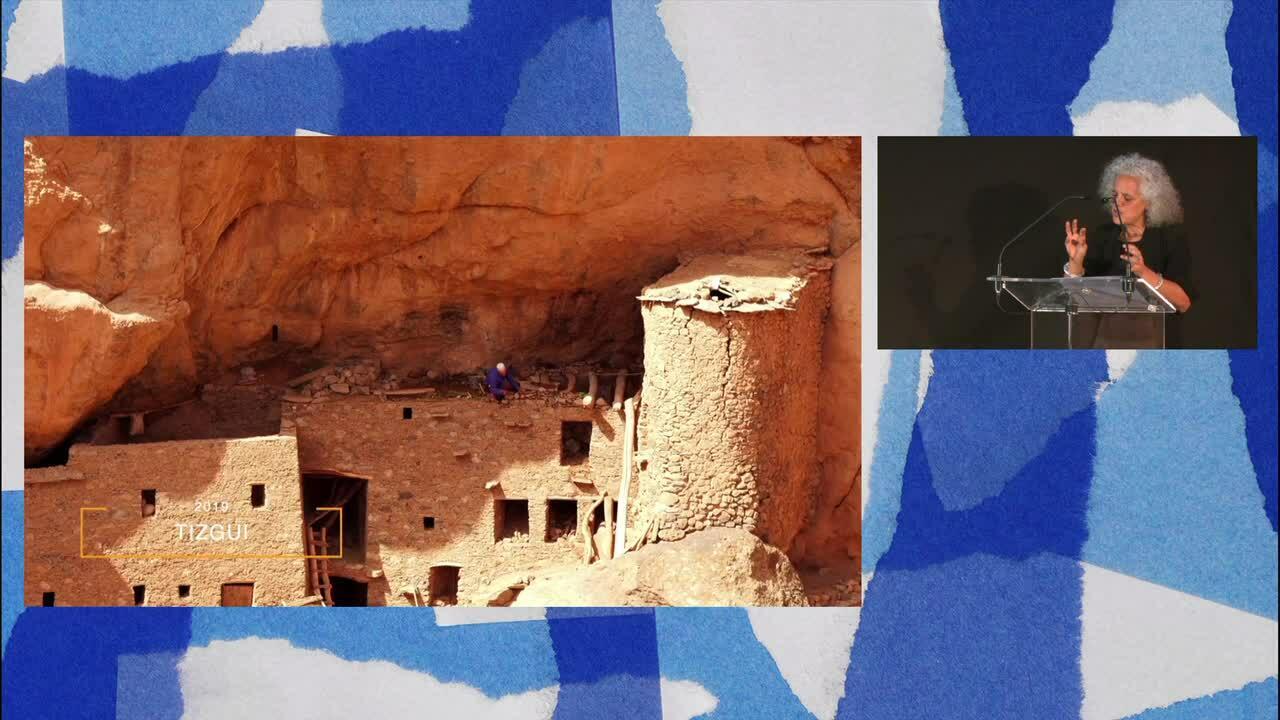
Terrestrial architectures, rebuilding the common good Salima Naji
Environmental History II: Which narratives, which poetics, which history for the Earth?
~ 27 min
1_dj3mxoso
video
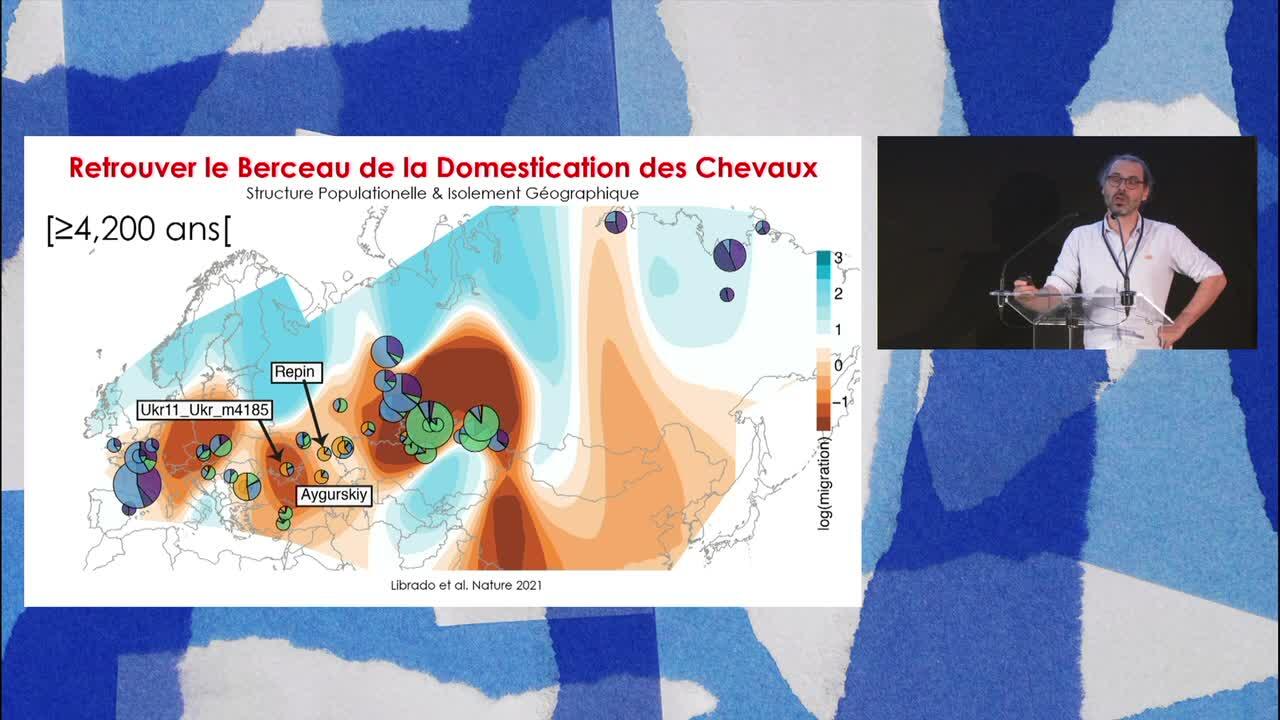
Ancient DNA, Genetics in the History of Horses and Humans Ludovic Orlando
Environmental History II: Which narratives, which poetics, which history for the Earth?
~ 43 min
1_hz6po1tt
video
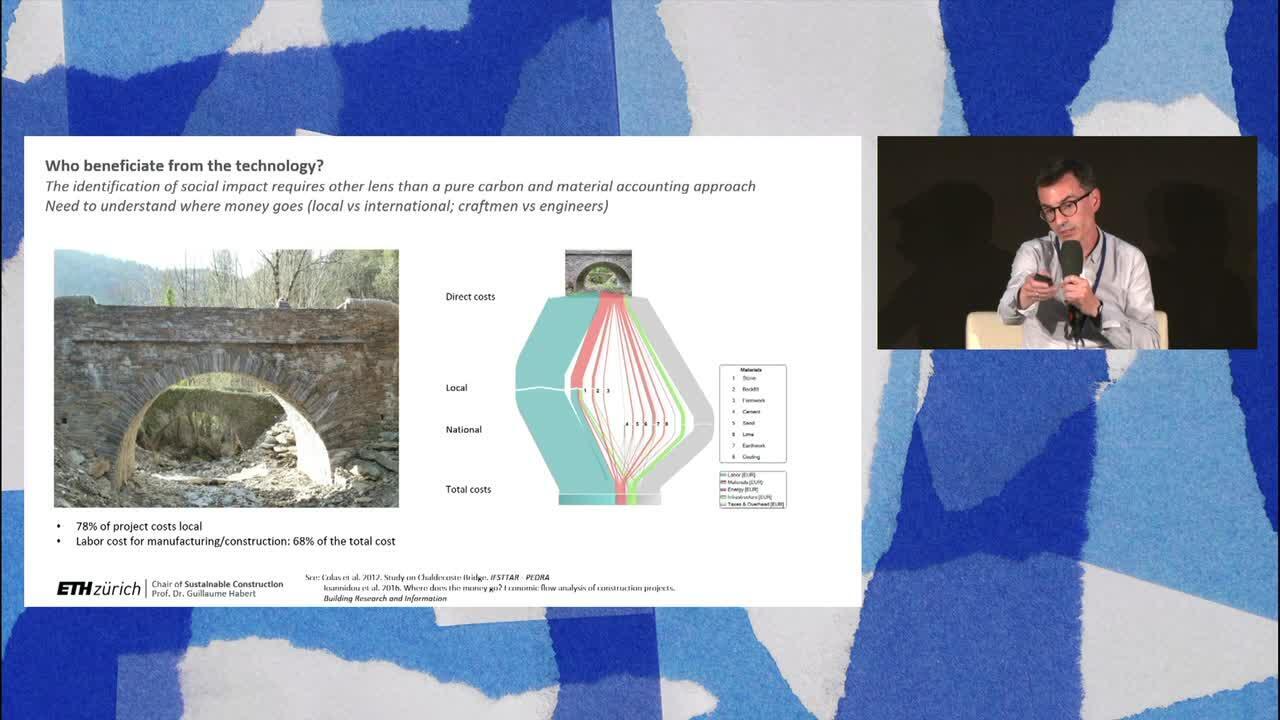
Discussion on the occasion of the opening of Le Magasin Électrique “Every building is a prediction, and every prediction is wrong.” Jan Boelen, Joe Halligan, Maria Finders, Laurens Bekemans, Guillaume Habert, Salima Naji
Environmental History II: Which narratives, which poetics, which history for the Earth?
~ 70 min
1_ib1cfmon
video
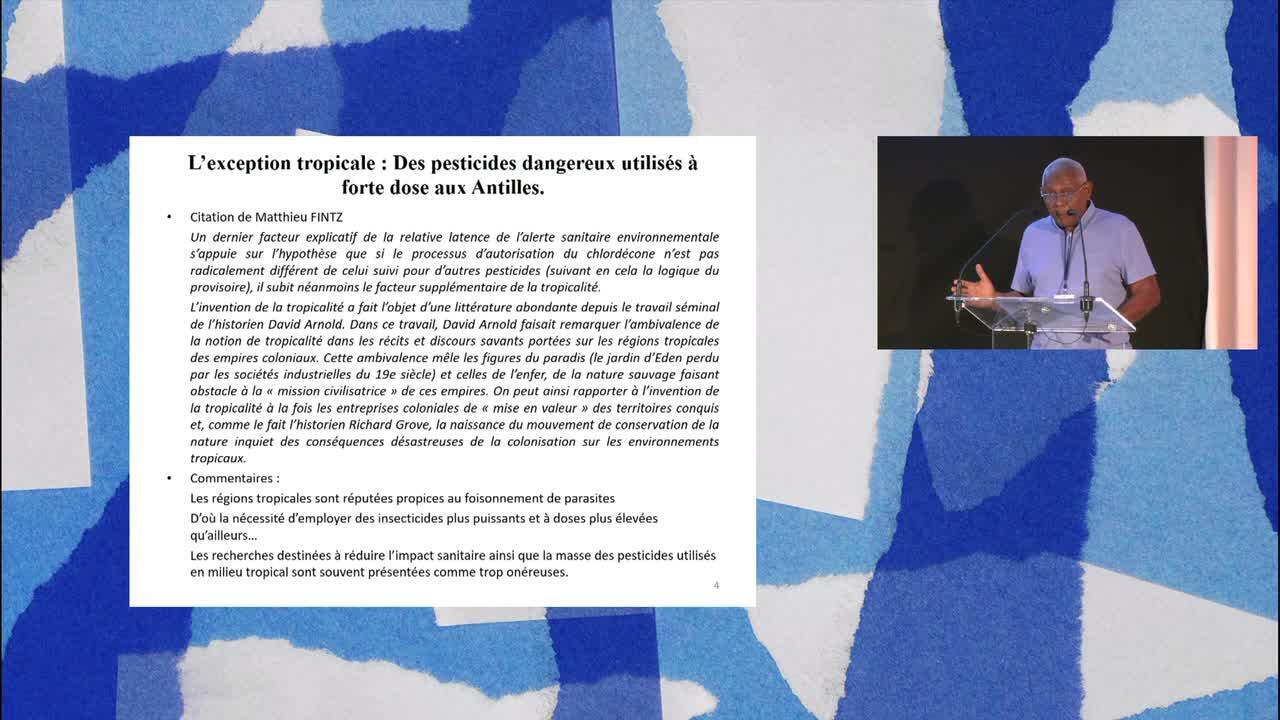
The Historical Resonances of Chlordecone, a Pesticide in the French Antilles Philippe Verdol
Environmental History II: Which narratives, which poetics, which history for the Earth?
~ 47 min
1_3358ciw9
video
Vegetal Witnessing and Plant Echoes Uriel Orlow
Environmental History II: Which narratives, which poetics, which history for the Earth?
~ 34 min
1_6foffzt0
video
Time of the World / Time of the Anthropocene: the simultaneous of the non simultaneous François Hartog
Environmental History II: Which narratives, which poetics, which history for the Earth?
~ 44 min
1_7tml4nmo
video
Remembering Nature Hans Ulrich Obrist
Environmental History II: Which narratives, which poetics, which history for the Earth?
~ 31 min
1_dxep1o0d
video
Philippe Verdol: “The French public health agency revealed that 92 % of Martinicans were contaminated by chlordecone, as well as 95 % of Guadeloupeans.” Philippe Verdol
Environmental History II: Which narratives, which poetics, which history for the Earth?
~ 5 min
1_3s4qpb7j
video
Salima Naji: “We can't preserve a building if we don't preserve what makes it.” Salima Naji
Environmental History II: Which narratives, which poetics, which history for the Earth?
~ 4 min
1_lk2aeoln
video
Christof Mauch: “We're a creature, humans, that can be very destructive. But also, a creature that can help us save the planet.” Christof Mauch
Environmental History II: Which narratives, which poetics, which history for the Earth?
~ 4 min

What to read, see, or listen to right now?

Explore current highlights and curated selections.