Open |
Open from
Closed today
Ticketing
My selection
Permanent installation

Drum Café

  • Permanent installation

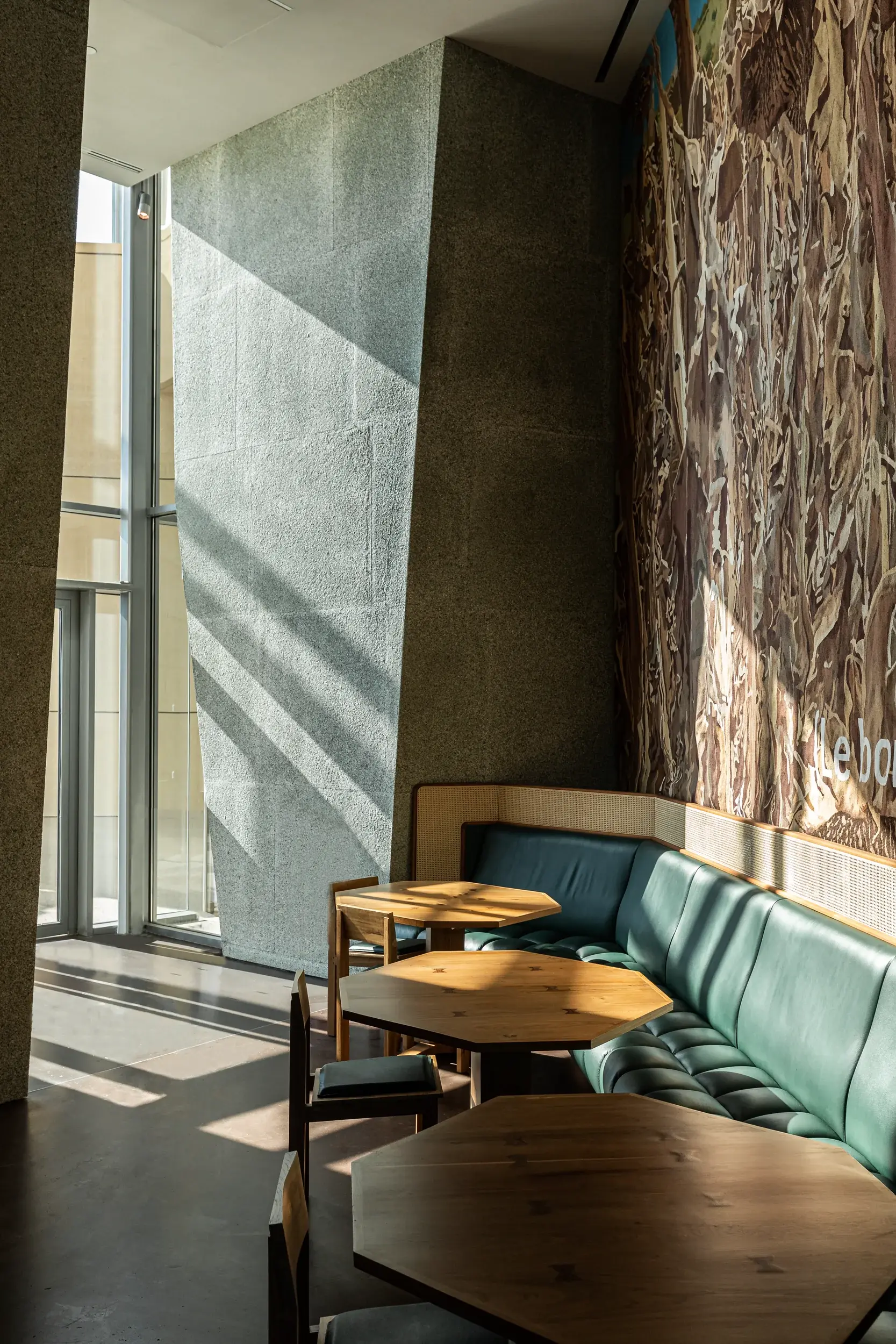
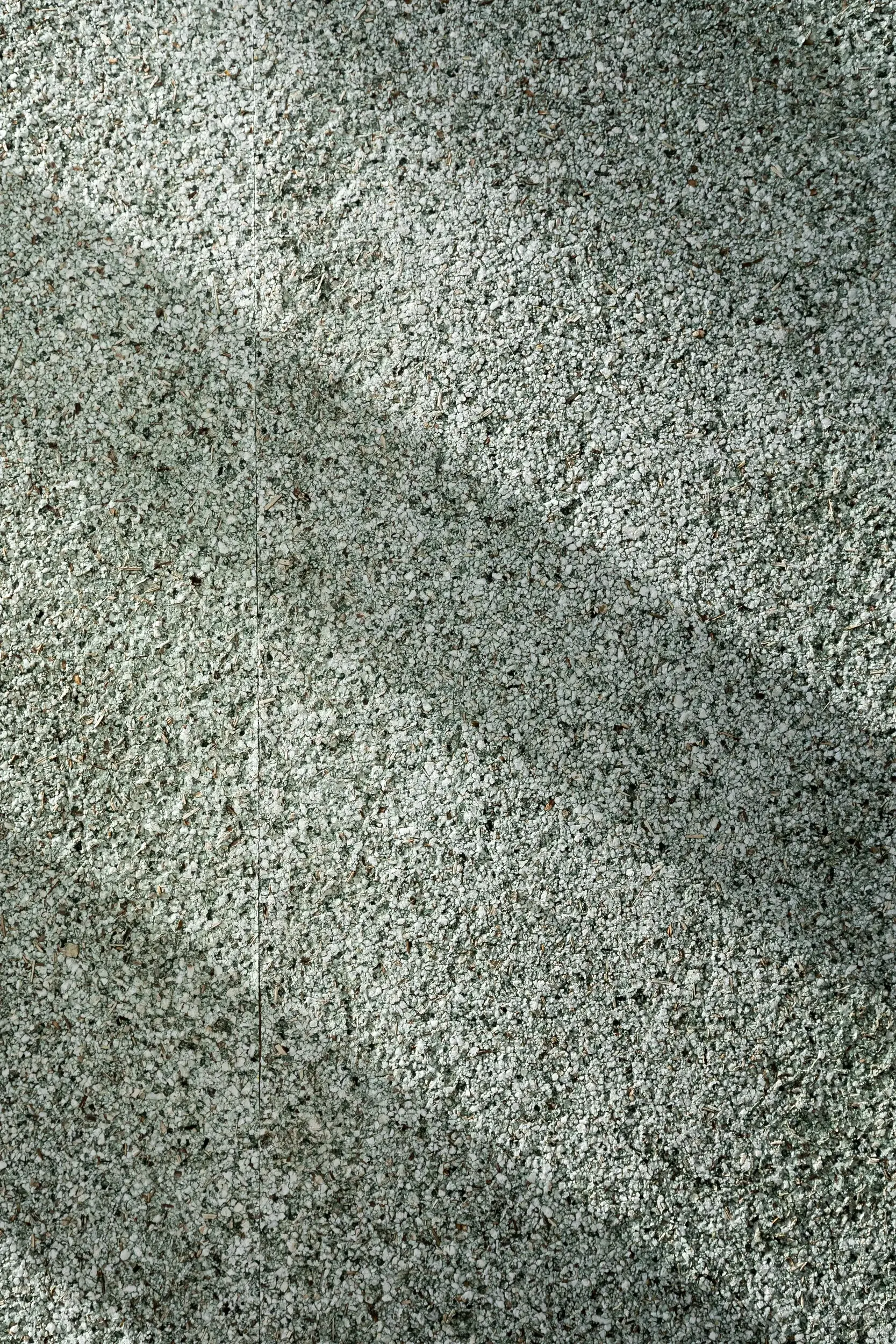
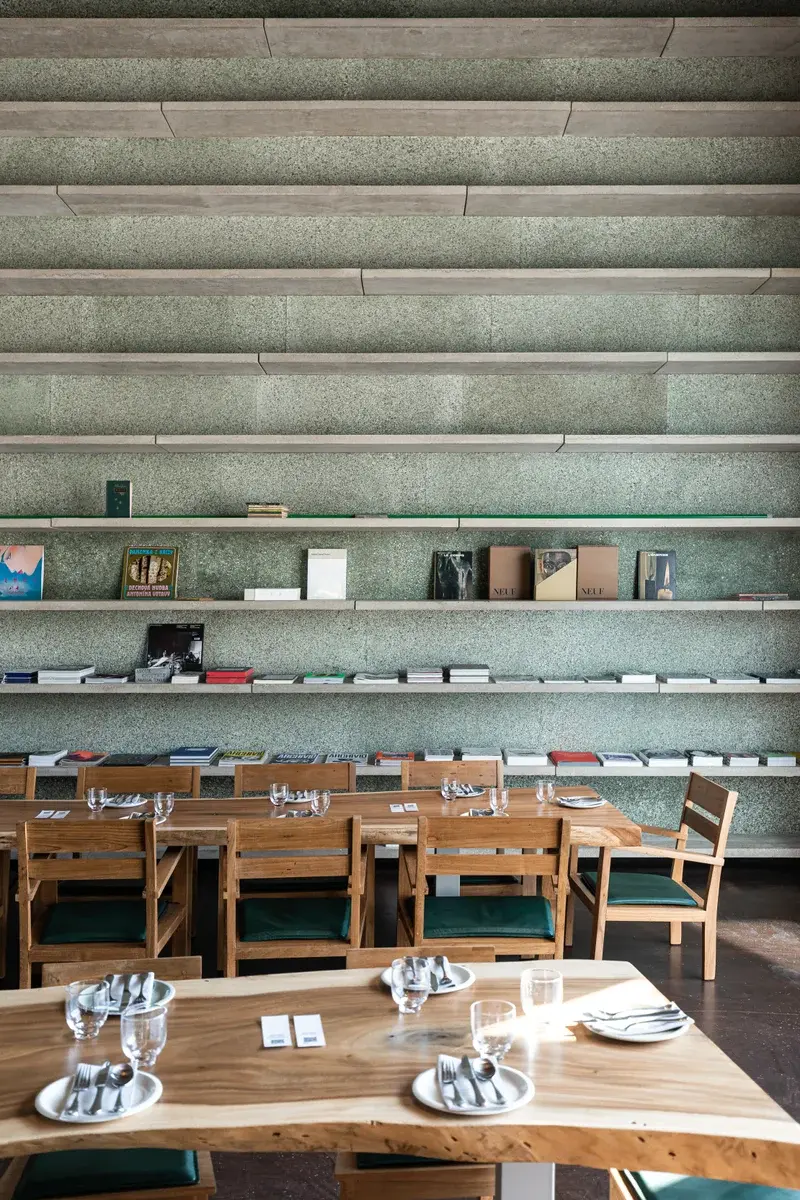
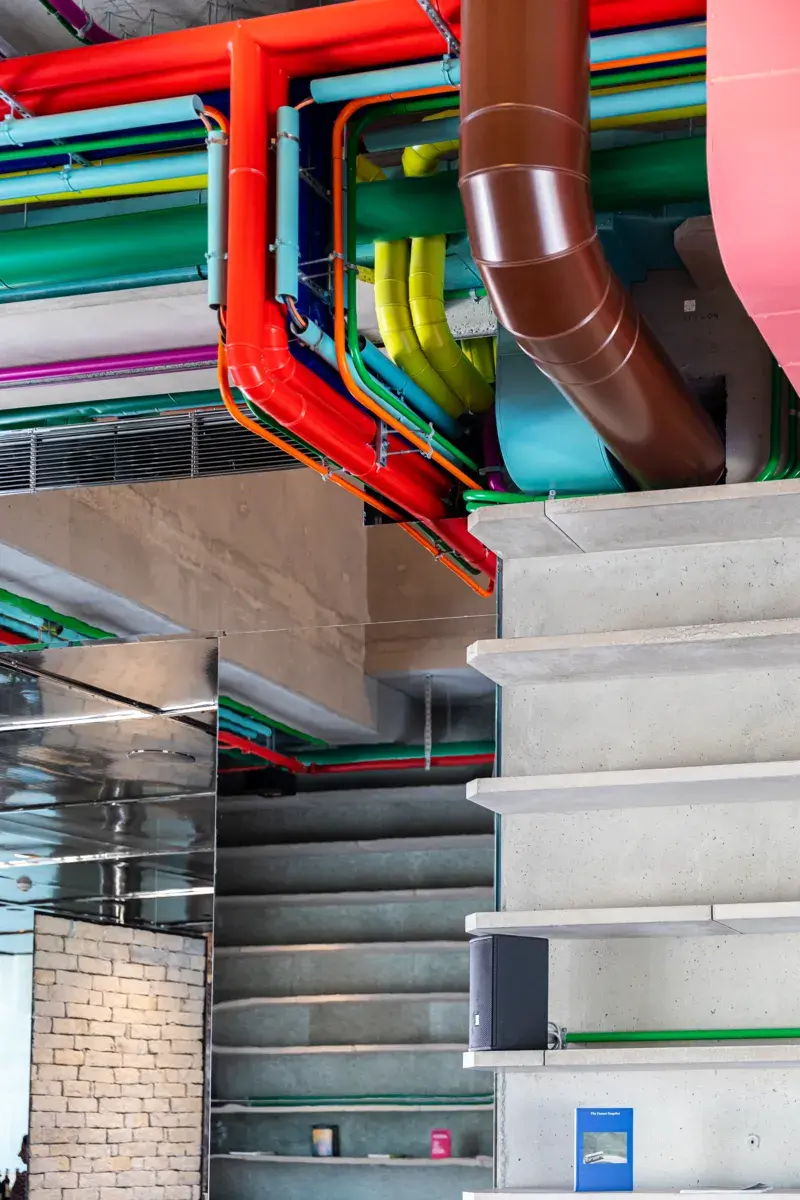
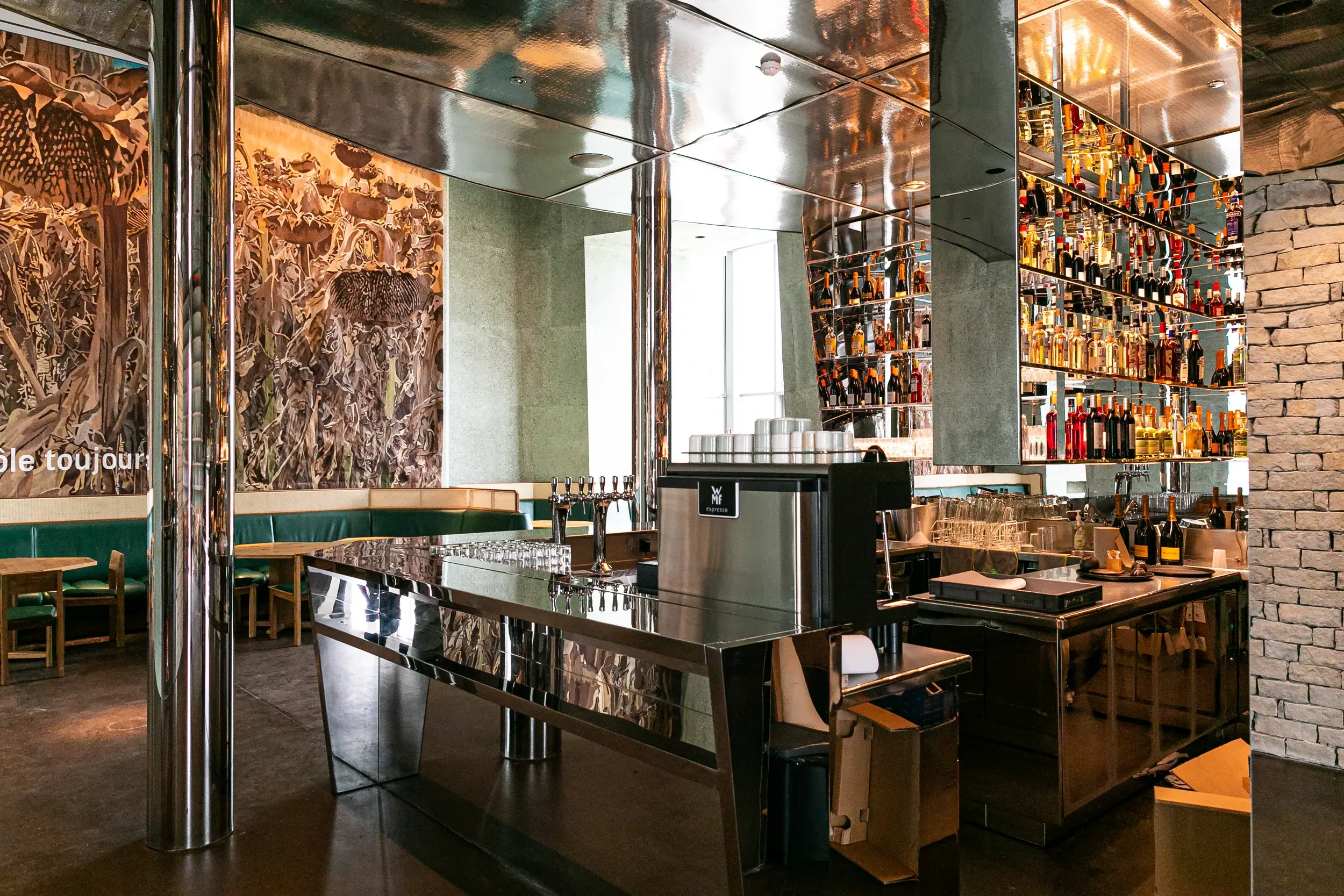
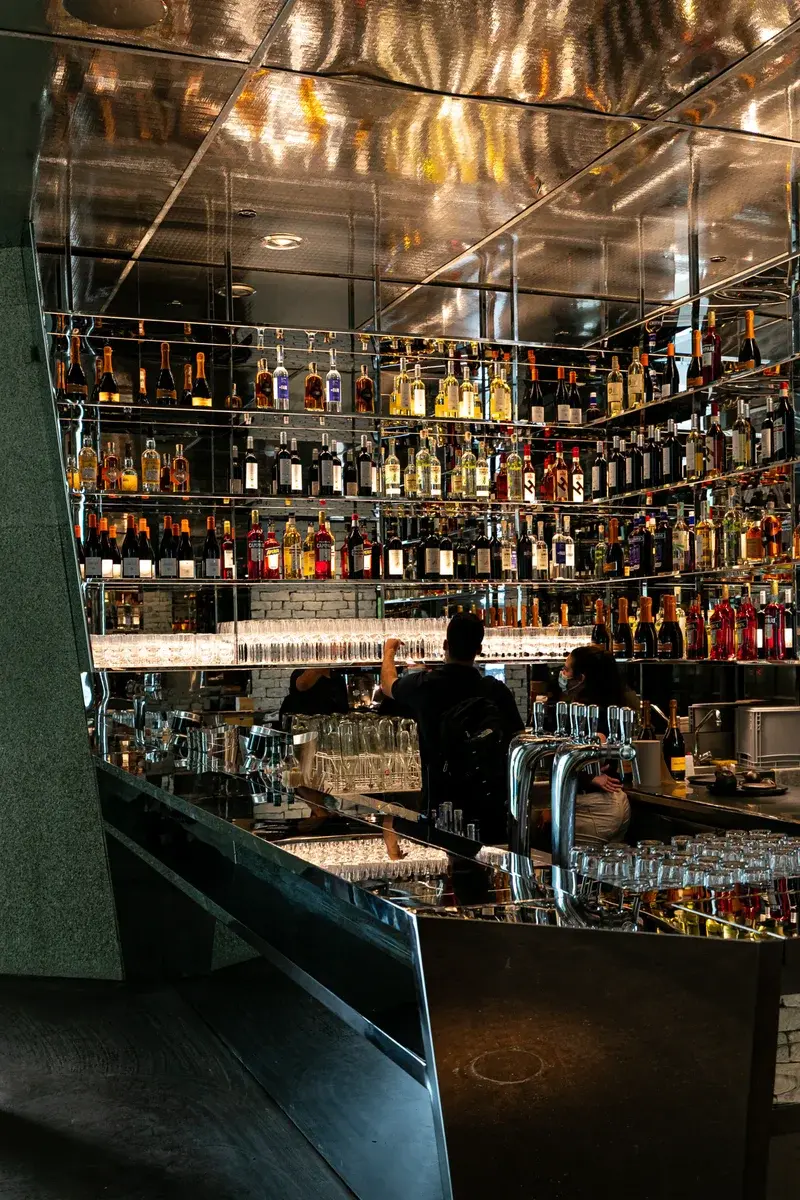
One of the key artists in the history of relational aesthetics, Tiravanija has designed and created one of the bars, located on the ground floor area of The Tower designed by Frank Gehry. The bar is designed as a lived-in artwork and includes the use of a huge array of material. Walls in stainless steel with exposed pipes and panels made from sunflower marrow: this restaurant and bar transforms the notion of hospitality with its very strong visual identity. Conviviality and sharing lies at the heart of Tiravanija’s practice and the bar and restaurant inevitably becomes one of the crucial representations of time spent with others.

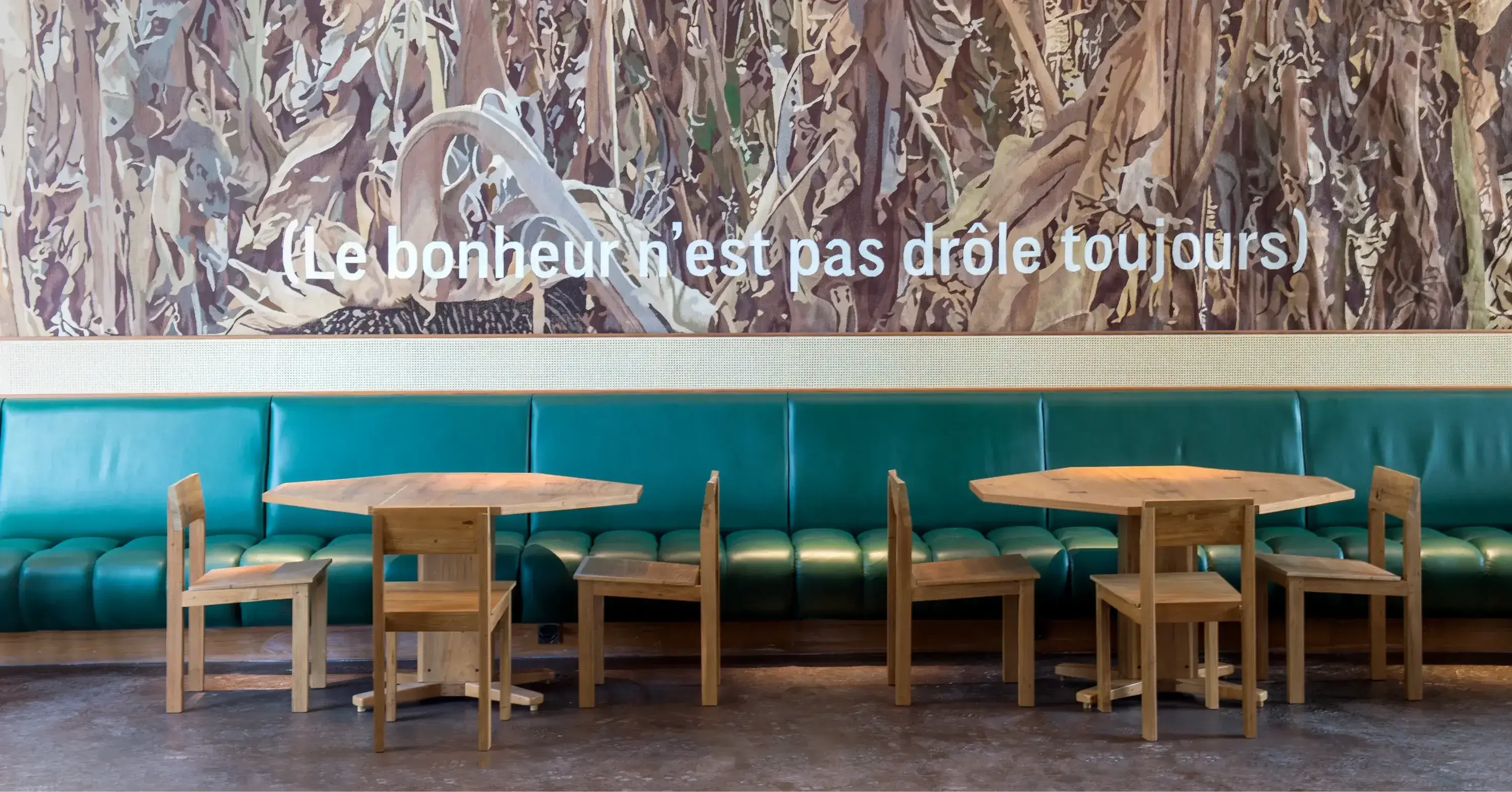
The design is utilizing materials of the bioregion of the Camargue and natural resources, such as sunflower pulp, local wool, natural pigments and fabric dyes. A 10-metre long monumental tapestry created with artisans in Aubusson factory, central France, is the landmark of the space. It was made over many years and has used unique tapestry techniques and materials, in collaboration with designers and researchers from the labs of Atelier LUMA.

210619-LUMA-OUVERTURE-MARCDOMAGE-D4S8767 - 3000 x 1959-1
Credits
© Adrian Deweerdt

The Drum Café tapestry

At the request of the studio Rirkrit Tiravanija to inhabit the space of the Drum Café located on the ground floor of The Tower and within the framework of the project "Club des Plantes Invasives" and "laines oubliées", Atelier LUMA proposed to transpose one of his photographic works of a field of sunflowers into tapestry.

This monumental piece of 4 by 10 meters was made of custom-spun Merinos d'Arles wool, dyed with invasive plants and dyeing plants from a range of colors defined with Manufacture Pinton, "our whole concept" (Aurelie Wolff), Atelier LUMA and the Rirkrit Tiravanija studio.

With 70 colors to the chapelet, for 100 kg of wool, that is to say an extremely advanced research in vegetable dyeing, this project was a real challenge. A dozen weavers from the Pinton factory worked for 12 months to weave the work, a total of 7000 hours of work.

Pictures of Drum Café

210826-DRUMCAFE-ADRIANDEWEERDT-01-Modifier
Credits
© Adrian Deweerdt
210826-DRUMCAFE-ADRIANDEWEERDT-11
Credits
© Adrian Deweerdt
210826-DRUMCAFE-ADRIANDEWEERDT-10 - Medium
Credits
© Adrian Deweerdt
220725-LMA-DRUMCAFE-TUYAUX-ADRIANDEWEERDT-04 - Medium
Credits
© Adrian Deweerdt
210704-DRUMCAFE-ADRIANDEWEERDT-9
Credits
© Adrian Deweerdt
250312-LMA-DRUMCAFE-ADRIANDEWEERDT-1 - Large
Credits
© Adrian Deweerdt
210704-DRUMCAFE-ADRIANDEWEERDT - Medium
Credits
© Adrian Deweerdt
58087F2FB78AE58E27850A970C61796E

Rirkrit Tiravanija

Since the 1990s, Rirkrit Tiravanija (b. 1961, Buenos Aires, Argentina) has aligned his artistic production with an ethic of social engagement, often inviting viewers to inhabit and activate his work. Solo exhibitions include the ICA London (permanent installation), Hirschhorn Museum and Sculpture Garden, Smithsonian, Washington D.C. (2019), the National Gallery of Singapore (2018), Stedelijk Museum, Amsterdam (2016), the Garage Museum of Contemporary Art, Moscow (2015), the Kunsthalle Bielefeld (2010), the Kunsthalle Fridericianum, Kassel (2009), the Musée d’Art Moderne de la Ville de Paris, the Guggenheim Museum, New York, the Serpentine Gallery in London (2005), as well as the Museum Boijmans Van Beuningen in Rotterdam (2004). Tiravanija’s work has been recognized with numerous awards and grants including the 2010 Absolut Art Award, the 2004 Hugo Boss Prize awarded by the Guggenheim Museum, and the 2003 Smithsonian American Art Museum’s Lucelia Artist Award. Tiravanija lives and works in New York, Berlin, and Chiang Mai. He is on the faculty of the School of Visual Arts at Columbia University, and is a founding member and curator of Utopia Station, a collective project of artists, art historians, and curators. Tiravanija is also President of an educational-ecological project known as The Land Foundation, located in Chiang Mai, Thailand, and is part of a collective alternative space called VER in Bangkok.