Now showing at LUMA Arles: David Armstrong, Liu Chuang, Maria Lassnig, Philippe Parreno, and Tony Oursler


Neïl Beloufa
Neïl Beloufa (b. 1985, Paris) is a Franco-Algerian artist based in Paris. Through his practice, he questions society and its issues through various mediums: films, sculptures, and installations. Nominated for the Marcel Duchamp Prize in 2015, his work has been the subject of monographic exhibitions in France and abroad, notably at K11, Shanghai; MoMA, New York; Institute of Contemporary Arts, London; Hammer Museum, Los Angeles; Palais de Tokyo, Paris; Pirelli HangarBicocca, Milan; and Secession, Vienna.
He also took part in the 55th Venice Biennale International Art Exhibition and the Lyon Biennale of Contemporary Art in 2013, the 2014 Shanghai Biennale of Contemporary Art, and the 58th Venice Biennale International Art Exhibition in 2019.
.webp)
Giulia Bini
Giulia Bini, PhD, is a curator, program manager, and institutional strategist with over a decade of experience pioneering experimentation at the nexus of contemporary and media art, science, and advanced technologies in curatorial practice, theory, and writing. Since May 2025, she has been Curator and Head of Arts at CERN, leading initiatives that connect artistic inquiry with fundamental scientific research. Originally trained as an art historian, her work explores how techno-scientific discourse and transdisciplinarity are redefining artistic practices, institutions, and exhibition methods.
Dr. Bini was the founding Head of Program and Curator of Enter the Hyper-Scientific, the artist-in-residence program at EPFL, the Swiss Federal Institute of Technology in Lausanne. She previously served as Curator and Producer at EPFL Pavilions (2018–2021) and was a member of the curatorial team at ZKM | Center for Art and Media Karlsruhe (2014–2017). She has curated numerous group and solo exhibitions and collaborated with leading international institutions. Bini regularly contributes to publications and is the author of Media Spazio Display: ZKM Zentrum für Kunst und Medien | HfG Hochschule für Gestaltung (Mimesis Edizioni, 2022).
Carl Cheng
From 1970 to 1972, I began meeting with fellow student artists in Los Angeles who were interested in technology. We met with some scientists from Caltech. Later, one of the members, David McDermott, worked on a mylar dome project that went to the Osaka World’s Fair, which I attended.
In 1977 and 1990 to 1992, I worked with the Exploratorium in San Francisco on two projects, one of which involved the Friendship Acrobatic Troupe as part of a traveling exhibition that toured several European countries. I studied art at UCLA from 1959 to 1967, with a one-year stint at the Folkwang-Hochschule in 1964–1965.
Michelle Cotton
Michelle Cotton is the Artistic Director of Kunsthalle Wien, Vienna. She was previously the Head of Artistic Programmes and Content at Mudam, Luxembourg (2019–2024); Director of Bonner Kunstverein, Bonn (2015–2019); Senior Curator at Firstsite, Colchester (2010–2015); and recipient of the sixth Curatorial Bursary at Cubitt, London, where she directed the program from 2009 to 2010. Her publications include Radical Software: Women, Art & Computing 1960–1991 (2024), Peter Halley: Conduits; Paintings from the 1980s (2023), Post-Capital: A Reader (2021), The Policeman’s Beard Is Half Constructed: Art in the Age of Artificial Intelligence (2017), Xerography (2013), Nigel Henderson & Eduardo Paolozzi: Hammer Prints Ltd 1954–75 (2012), and Design Research Unit 1942–72 (2011).
Maria Rosario Jackson
An urban planner, policymaker, scholar, and educator, Dr. Maria Rosario Jackson is former Chair of the National Endowment for the Arts (NEA), 2021–January 2025. For more than thirty years, she has focused on the role of art in building communities where all people can thrive. While Chair of the NEA, she advanced an arts integration agenda and led Healing, Bridging, Thriving: A Summit on Arts and Culture in our Communities. The summit was a collaboration between the NEA and the White House Domestic Policy Council, which showcased the power of the arts in health, community development, environment, education, and more. Dr. Jackson is a tenured professor at Arizona State University.
.jpg)
Rattanamol Singh Johal
Rattanamol Singh Johal holds the Shireen and Afzal Ahmad Professorship in South Asian Arts and is Assistant Professor in History of Art at the University of Michigan, Ann Arbor. Previously, he was Assistant Director of the International Program at the Museum of Modern Art (MoMA) in New York, where he contributed to a number of collection acquisitions and managed the Contemporary and Modern Art Perspectives (C-MAP) initiative as well as the Primary Documents publication series. At MoMA, he cocurated the exhibition Video After Video: The Critical Media of CAMP (2025), the contemporary collection displays—War Remembers Me (2024–2025) and Staging Selves (ongoing)—and was a member of the curatorial team for Signals: How Video Transformed the World (2023). He holds a doctorate from Columbia University, where he curated the exhibition Homage: Queer Lineages on Video (2025) at the university’s Wallach Art Gallery. He currently coconvenes and moderates the Experimenter Curators’ Hub in Kolkata. He has held fellowships at the Whitney Independent Study Program and the Tate Research Centre: Asia and was a Curator at Khoj International Artists’ Association in New Delhi.
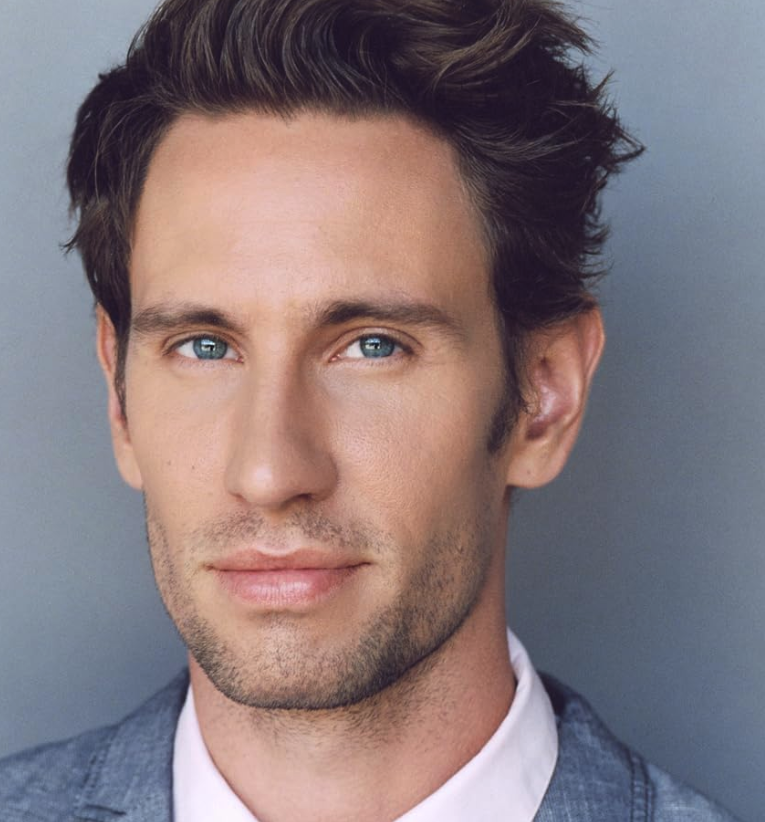
Alex Klein
Alex Klein joined ICA in 2011 from Los Angeles. From 2013 to 2015 she served as an agent in the Carnegie Museum of Art’s Hillman Photography Initiative where she co-curated the exhibition Antoine Catala: Distant Feel (2015, with Tina Kukielski) and co-edited the publication Shannon Ebner: Auto Body Collision (CMOA, 2015). Her writing has been published in numerous collections, including Public Servants: Art and the Crisis of the Common Good (MIT Press, 2016), The Human Snapshot (Sternberg Press/CCS Bard, 2013), How Soon Is Now? (LUMA, 2012), and the critical volume on photography Words Without Pictures (LACMA/Aperture, 2010), which she also edited.
Klein received her MFA from the University of California, Los Angeles, her MA in the History of Art from the Courtauld Institute of Art, London, and her BA in Art History from Columbia University, New York. As an artist she has exhibited work in galleries such as Clifton Benevento (New York), Leo Koenig Projeckte (New York), Cherry and Martin (Los Angeles), Grice Bench (Los Angeles), and Galerie Crone (Berlin). She is also the co-founder, with designer Mark Owens, of the editorial project and publishing imprint Oslo Editions. Previously she held positions in the Wallis Annenberg Photography Department at the Los Angeles County Museum of Art, the Roski School of Fine Arts at the University of Southern California, and The Metropolitan Museum of Art, New York.
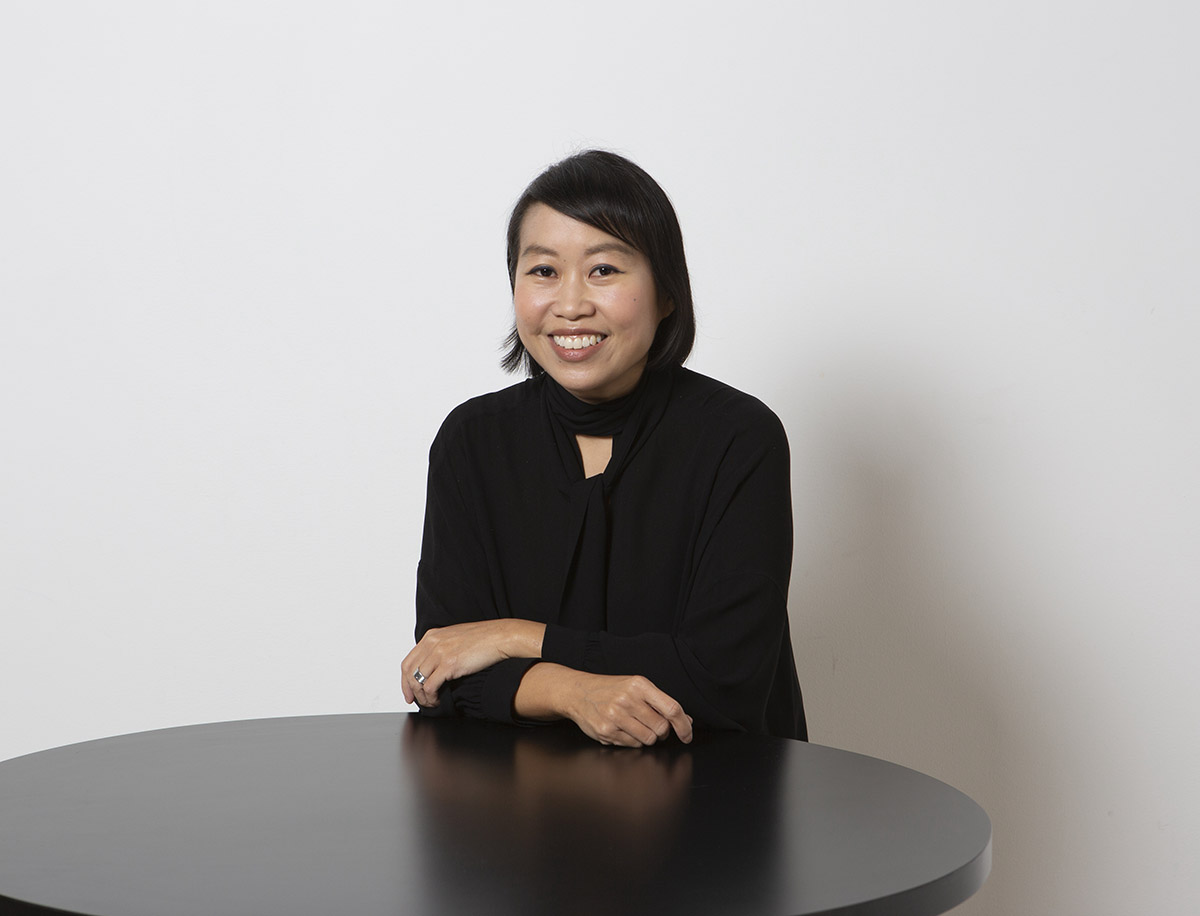
Michelle Kuo
Michelle Kuo is Chief Curator at Large and Publisher at the Museum of Modern Art in New York. She champions the intersection of art, technology, and culture, highlighting innovative media practices and global artistic dialogues. She is the editor of Sensing the Future: Experiments in Art and Technology (E.A.T.) (with Nancy Perloff, 2024). Her curatorial work includes the retrospective Jack Whitten: The Messenger (2025), and Otobong Nkanga: Cadence (2024–2025), an immersive tapestry, sculpture, and sound experience.
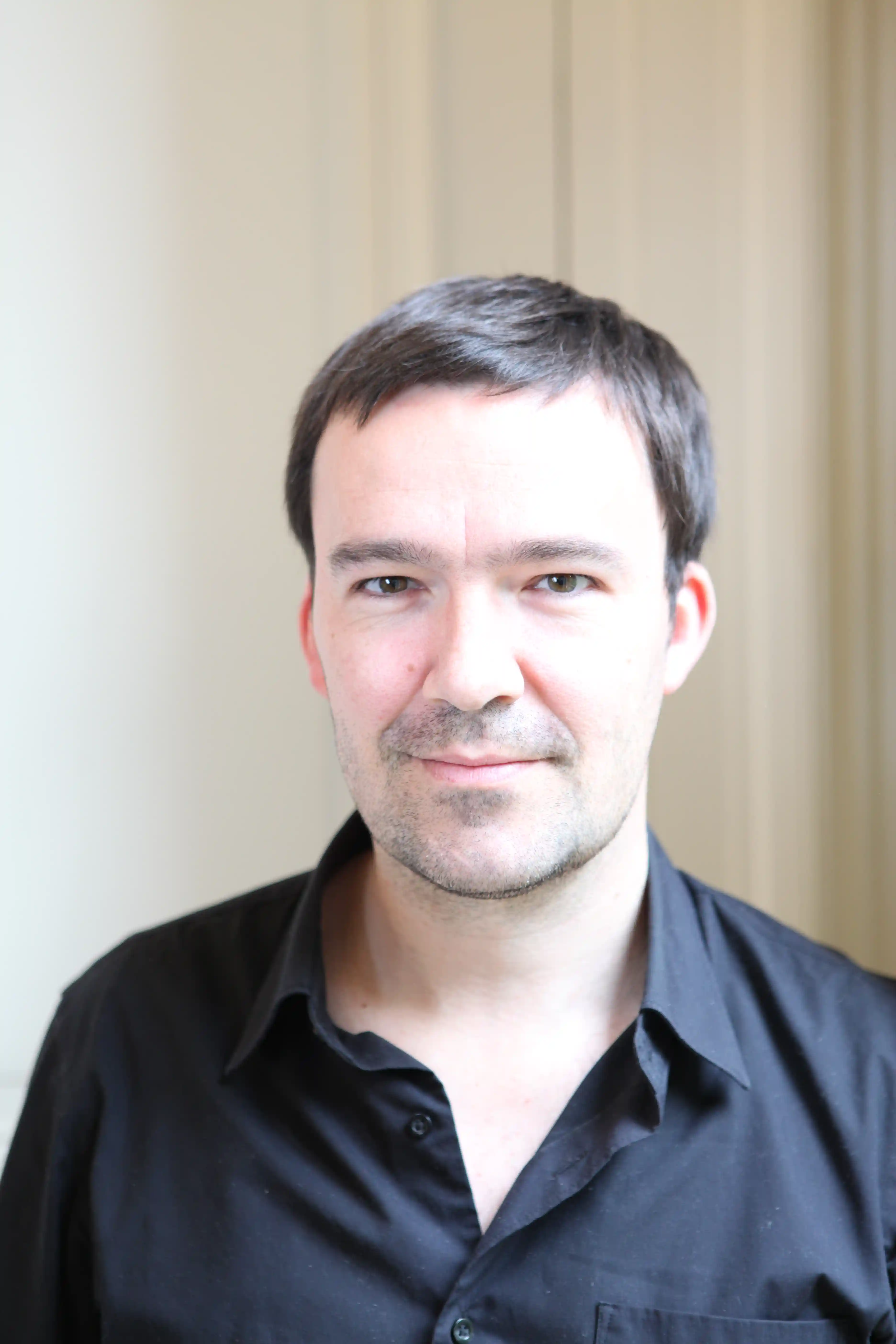
Christophe Leclercq
Christophe Leclercq is a teacher, critic, and researcher in contemporary art history. His research primarily focuses on the design and study of archives related to contemporary creation (Experiments in Art and Technology Datascape). He also headed the ERC AIME project (“Une enquête sur les modes d'existence”), directed by Bruno Latour from 2011 to 2015, before co-curating and co-editing the exhibition and catalog Reset Modernity! (2016, ZKM | Center for Art and Media Karlsruhe / MIT Press) with him.
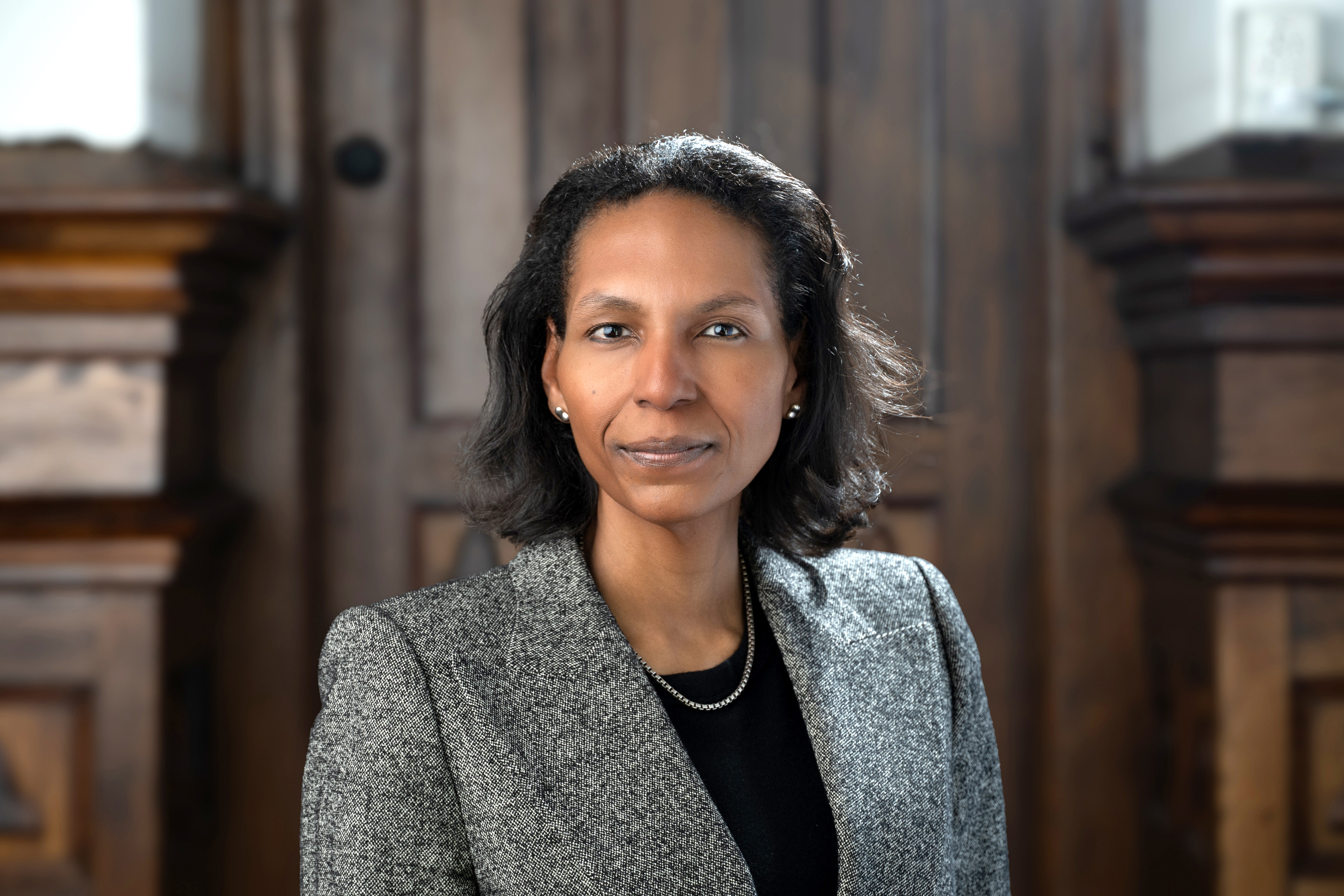
Courtney J. Martin
Courtney J. Martin became the Executive Director of the Robert Rauschenberg Foundation in 2024. Previously she was the Paul Mellon Director of the Yale Center for British Art. An art historian, curator, and professor, Martin began working with the New York–based Dia Art Foundation in 2015 and was appointed Deputy Director and Chief Curator in 2017. She previously taught at Brown University and worked at the Ford Foundation. She earned a PhD in art history from Yale University.
/julieMartin.jpg)
Julie Martin
Julie Martin is the Director of Experiments in Art and Technology (E.A.T.), where she has been a member of the staff since 1967, working closely with Billy Klüver on organization projects and activities.
She was coeditor with Klüver and Barbara Rose of Pavilion (1972), a book documenting the E.A.T. project to design and construct the Pepsi Pavilion at Expo 70, in Osaka, Japan. She collaborated with Klüver on numerous articles on art and technology during the 1980s and 1990s.
Currently she is executive producer of a series of films that document each of the ten artists’ performances at 9 Evenings: Theatre and Engineering, and she is working on a series of podcasts on the history of the organization.
.webp)
Bernardo Mosqueira
Bernardo Mosqueira is a curator, writer, and researcher based in New York. He is the Founder and Artistic Director of Solar dos Abacaxis, Rio de Janeiro, and the Director of Prêmio FOCO ArtRio. Between 2023 and 2025, he served as Chief Curator at the Institute for Studies on Latin American Art (ISLAA), New York, and from 2021 to 2023, he was part of the curatorial team at the New Museum. Mosqueira holds an MA in Curatorial Studies from the Center for Curatorial Studies, Bard College (2021), and in 2025 he received the prestigious Vilcek Prize for Creative Promise in Curatorial Work.
Nancy Perloff
Nancy Perloff is a Curator of Modern and Contemporary Collections at the Getty Research Institute. Trained as a musicologist and as an art historian, she pursues scholarship on Russian and European modernism and on avant-garde composers such as John Cage and David Tudor. Her expertise in visual poetry and its sonic phenomena culminated in her monograph, Concrete Poetry: A 21st-Century Anthology, published by Reaktion Books in 2022. Most recently, as part of the Getty festival PST ART: Art and Science Collide, she curated the exhibition Sensing the Future: Experiments in Art and Technology (E.A.T.). She edited the accompanying catalogue with Michelle Kuo. An expanded version of this show is now on view at LUMA Arles.
Mara Polgovsky Ezcurra
Mara Polgovsky Ezcurra is a Senior Lecturer in Contemporary Art at the School of Historical Studies, Birkbeck College, University of London. She is an art historian and cultural theorist with expertise in Latin American art, performance, feminism, and art and technoscience. She previously lectured at the University of Cambridge. She has been the director of Peltz Gallery since September 2024 and runs the film production company Tecolote Films. Her film Malintzin 17 (2022) premiered at the International Film Festival Rotterdam and received the Best Documentary Award at the Morelia Film Festival. Her publications include Touched Bodies: The Performative Turn in Latin American Art (2019) and Marcos Kurtycz: Corporeality Unbound (2024).
/Paul%20Purgas.jpeg)
Paul Purgas
Paul Purgas is a UK-based artist and musician working with sound, performance, and installation. His research explores the interwoven histories of design, music, and spiritual philosophy, with a focus on the cultural exchanges between Eastern and Western modernisms. Paul has developed several documentaries for BBC Radio including Electronic India (2020) and Krishnamurti in England (2023), and he is the editor of the essay collection Subcontinental Synthesis (Strange Attractor/MIT Press 2024). Recent multimedia exhibitions include In the Temple of the Earth (Southwark Park Galleries, 2024) and We Found Our Own Reality (CTM/Transmediale 2023). He is represented by Niru Ratnam Gallery in London.
Val Ravaglia
Val Ravaglia is Curator, International Art, at Tate Modern, London. They have a special interest in transdisciplinary curatorial practices and recently curated Electric Dreams: Art and Technology Before the Internet (2024–2025), opening at Turin’s OGR on October 31, 2025). At Tate Modern, they were the Assistant Curator for the 2017 Turbine Hall commission by SUPERFLEX and for the Nam June Paik retrospective in 2019, cocurated A Year in Art: Australia 1992 (2021–2023), and lead on the touring Tate exhibition The Dynamic Eye: Beyond Op and Kinetic Art in Porto (2023) and Istanbul (2024). Their next exhibition is a Julio Le Parc solo show, opening at Tate Modern in June 2026.
/Francine%20Snyder.jpeg)
Francine Snyder
Francine Snyder specializes in artist and museum archives, digital systems, and in fostering research and scholarship on contemporary cross-disciplinary creative practices. Since 2015, as Director of Archives and Digital at the Robert Rauschenberg Foundation, Snyder has been responsible for the Foundation archives, with the goal of increasing access to and use of archival materials. Major initiatives include the Foundation’s Fair Use Policy, intended to reduce barriers to image use; the Archives Research Residency, a program that supports multi-week research intensives within the collection; and forthcoming expanded digital archives, with an emphasis on open-source software solutions and metadata standards. Snyder has written and presented widely on archives and technology. This fall, her publication I Don’t Think About Being Great: Selected Writings by Robert Rauschenberg, copublished by the Foundation and Yale University Press, will be released, highlighting Rauschenberg’s love of words.
Nina Wexelblatt
Nina Wexelblatt is a Los Angeles–based art historian and curator. She recently completed a PhD in History, Theory, and Criticism of Art at the Massachusetts Institute of Technology, where her dissertation focused on postwar artists’ experiments with remote control, automated labor systems, and satellite telecommunications. She was a Predoctoral Fellow in the Getty Research Institute Scholars Program and has held curatorial positions at the Museum of Contemporary Art Chicago and the Massachusetts Museum of Contemporary Art. She holds an MA from the Williams Graduate Program in the History of Art and a BA in Literature from Yale University.
Stuart Comer
Stuart Comer is the Lonti Ebers Chief Curator of Media and Performance at MoMA, New York. In addition to his role in the core team reimagining the Museum’s collection galleries, he has curated or co-curated the exhibitions Stephen Prina: A Lick and a Promise (2025), Rosa Barba: The Ocean of One’s Pause (2025), Video After Video: The Critical Media of CAMP (2025), Christian Marclay: The Clock (2024), Leslie Thorton’s HANDMADE (2023), Signals: How Video Transformed the World (2023), Adam Pendleton: Who Is Queen? (2021), member: Pope.L, 1978–2001 (2019), Haegue Yang: Handles (2019), Tania Bruguera: Untitled (Havana, 2000) (2018), Mark Leckey: Containers and Their Drivers (2016), BRUCE CONNER: IT’S ALL TRUE (2016), Bouchra Khalili: The Mapping Journey Project (2016), Transmissions: Art in Eastern Europe and Latin America, 1960–1980 (2015), and Cut to Swipe (2014). At MoMA, he also leads the Marie-Josée and Henry Kravis Studio and is currently overseeing the Contemporary and Modern Art Perspectives (C-MAP) Southeast Asia research group and the Fund for the Twenty-First Century. Prior to joining MoMA, Comer served as the first Curator of Film at Tate Modern, London, and co-curated the 2014, Whitney Biennial.
Michael Connor
Michael Connor is Executive Director of Rhizome, where he oversaw the Net Art Anthology initiative, an effort to retell the history of net art through 100 works, presented as an online exhibition, gallery exhibition, and book. He is also curatorial advisor for Kadist, a non-profit contemporary art organization, and ArtBlocks, an NFT platform. His first online curatorial project took place in 2003 at FACT, Liverpool, where he organized an edition of the traveling exhibition “Kingdom of Piracy” with Shu Lea Cheang, Yukiko Shikata, and Armin Medosch. Connor is currently editing a book by Gene Youngblood about the work of Kit Galloway & Sherrie Rabinowitz.

Nicolas Lees
Nicola Lees is the Nancy and Bob Magoon Director of the Aspen Art Museum. Prior to this, she was the director and curator of New York University’s 80WSE, a nonprofit, contemporary art exhibition space in Washington Square. Previously, Lees was the curator for Frieze Projects at Frieze London and curated the 60th-anniversary edition of the Biennial of Graphic Arts in Ljubljana, Slovenia. Earlier in her career, she was Senior Curator at the Serpentine Gallery in London and curated exhibitions at Malmö Konsthall and Left Pop Bringing it Home at the Second Moscow Biennale of Contemporary Art. Lees has edited and produced a number of catalogs and artist book