Now showing at LUMA Arles: David Armstrong, Liu Chuang, Maria Lassnig, Philippe Parreno, and Tony Oursler
Start your selection by adding your first favorites.
Here is your list of favorites.
Just enter your email address to receive it.
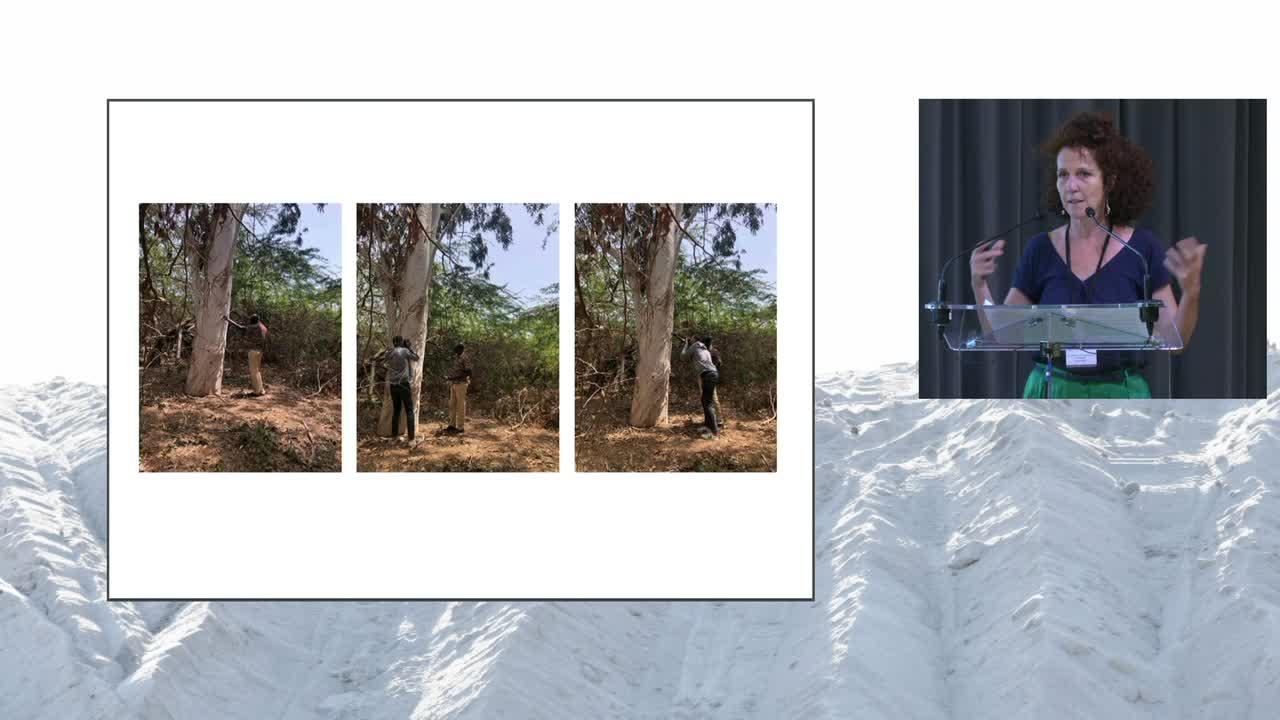
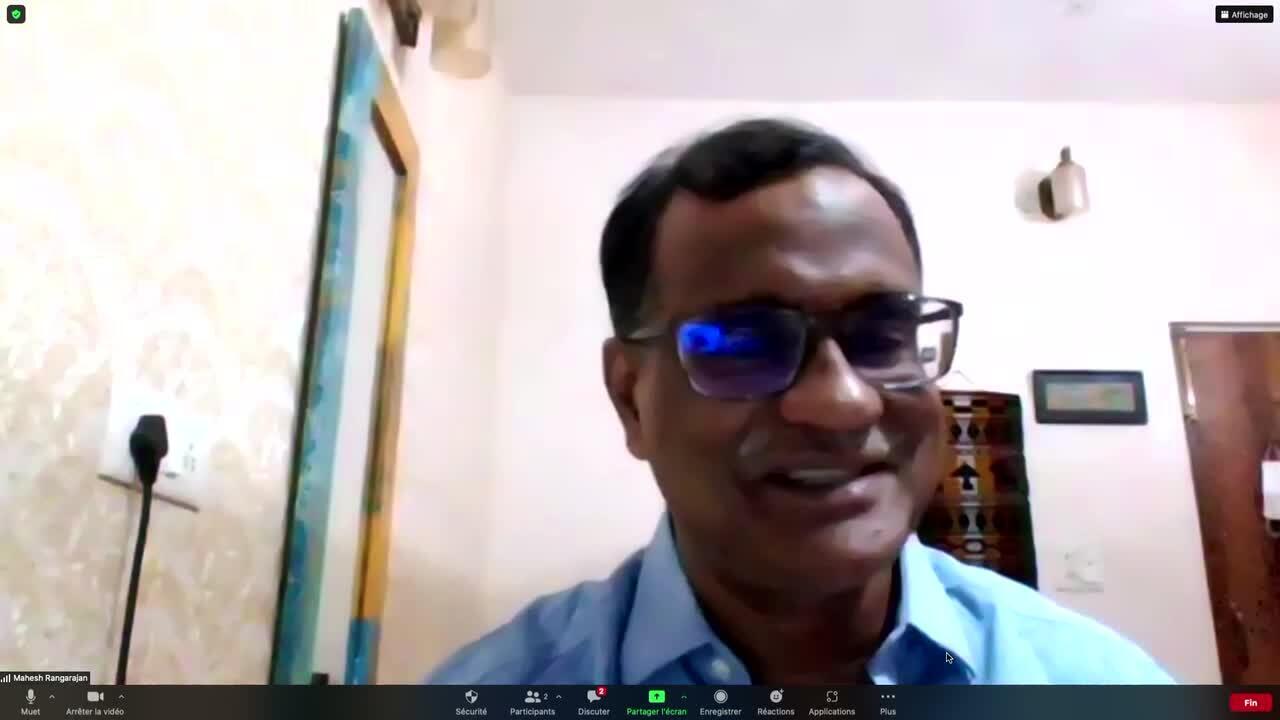
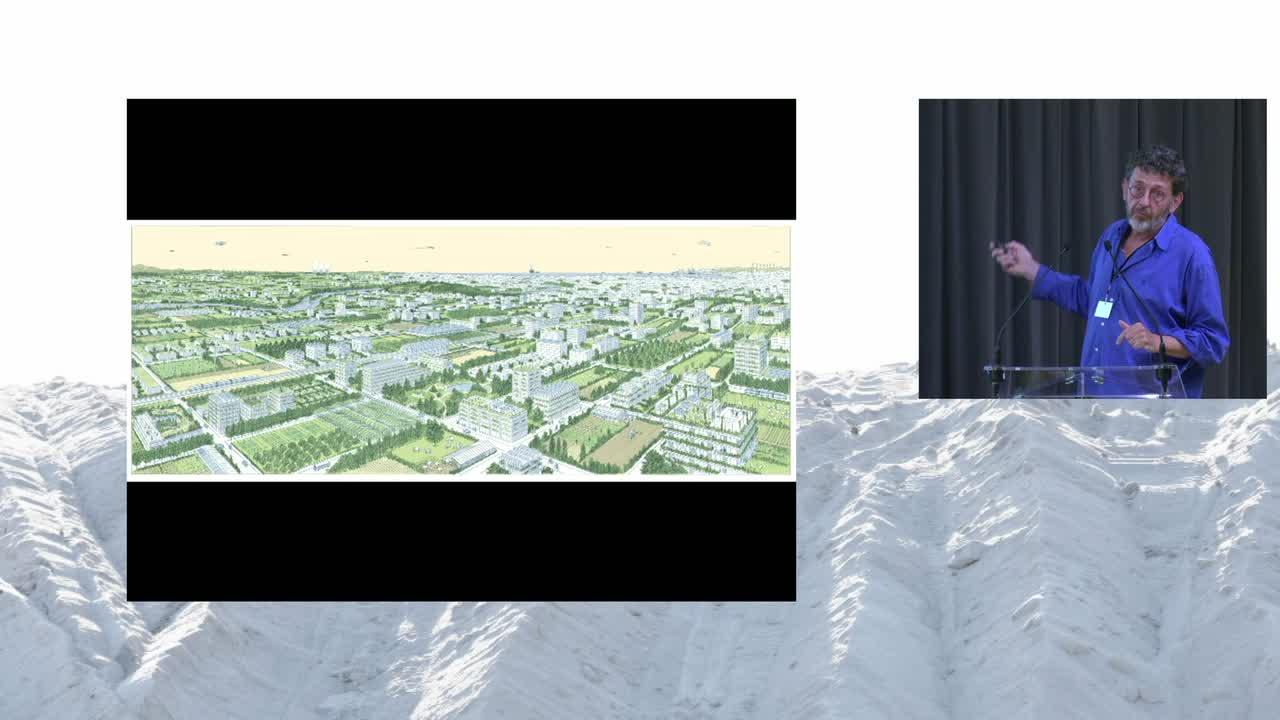
North Indian cities have lived with intensely hot summers for centuries. Global warming has changed this experience in somewhat unexpected ways. At the same time, the effects of climate change are exacerbated by changing social and spatial practices that have accelerated since economic liberalization began in the 1990s.
How have perceptions of heat and attitudes to heat changed? What do these shifting meanings tell us about how bodies and selves are imagined in urban India?
This talk highlights the analytical importance of the cultural politics of urban ecology, and argue that such an analysis must precede any consideration of the urgent question of “what should be done?”
North Indian cities have lived with intensely hot summers for centuries. Global warming has changed this experience in somewhat unexpected ways. At the same time, the effects of climate change are exacerbated by changing social and spatial practices that have accelerated since economic liberalization began in the 1990s.
How have perceptions of heat and attitudes to heat changed? What do these shifting meanings tell us about how bodies and selves are imagined in urban India?
This talk highlights the analytical importance of the cultural politics of urban ecology, and argue that such an analysis must precede any consideration of the urgent question of “what should be done?”
North Indian cities have lived with intensely hot summers for centuries. Global warming has changed this experience in somewhat unexpected ways. At the same time, the effects of climate change are exacerbated by changing social and spatial practices that have accelerated since economic liberalization began in the 1990s.
How have perceptions of heat and attitudes to heat changed? What do these shifting meanings tell us about how bodies and selves are imagined in urban India?
This talk highlights the analytical importance of the cultural politics of urban ecology, and argue that such an analysis must precede any consideration of the urgent question of “what should be done?”
Explore current highlights and curated selections.